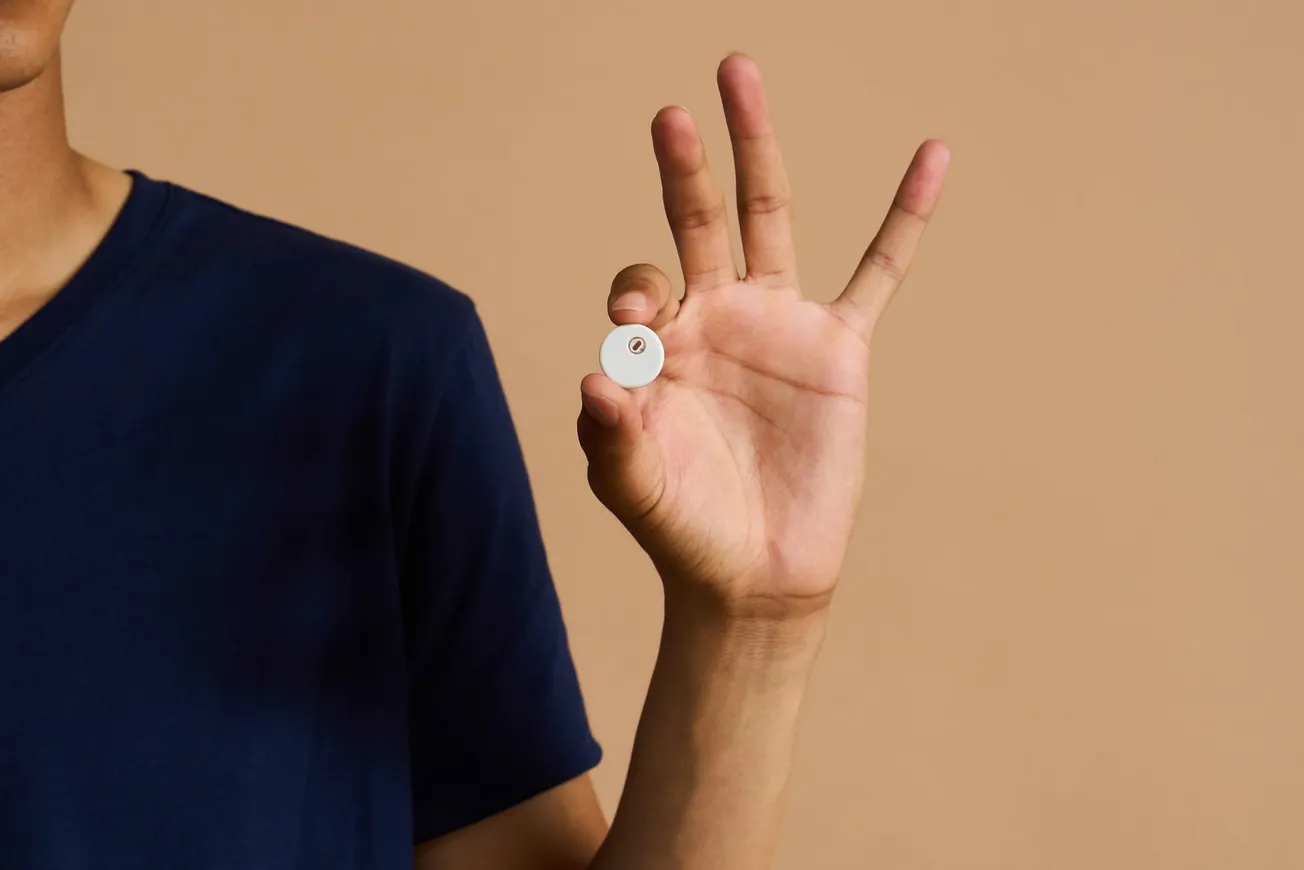
ABBOTT PARK, Ill. – Abbott has announced U.S. Food and Drug Administration (FDA) authorization of its Libre Duo 10 Day system, the world's first dual glucose‑ketone sensing technology. The new biowearable is designed to alert people living with diabetes of rising ketones that can lead to a diabetic ketoacidosis (DKA) emergency, a serious health complication for people with diabetes. Libre Duo 10 Day delivers real-time visibility into glucose levels needed for daily diabetes management while also monitoring rising ketones in the background, avoiding additional mental or physical burden for people with diabetes. Abbott plans to launch Libre Duo 10 Day in the United States later this year.
First-of-its-kind technology
Libre Duo 10 Day received De Novo authorization after securing breakthrough device designation from the FDA through a program designed to help people gain faster access to innovative medical technologies. It's the first system to meet the FDA's integrated continuous glucose monitoring (iCGM) standard and the new integrated continuous glucose and ketone monitoring (iCGK) standard, which establishes a benchmark for continuous ketone monitoring in the United States.
Monitoring ketones in the background
DKA is the most common hyperglycemic emergency for people living with diabetes,1,2 and hospital admissions for DKA have increased 55% over the past decade.3 DKA can develop quickly when the body does not have enough insulin and then starts to break down fat for energy, causing ketone levels to rise to potentially dangerous levels in the blood.4 According to the American Diabetes Association, DKA can progress within hours and, if left untreated, can lead to coma or death.4 While clinical guidance is to test ketones during illness or periods of elevated glucose, the majority of people do not have access to a blood ketone meter at home5 and early signs of rising ketones are often mistaken for common infections, resulting in delayed treatment .2,6,7
"As a physician, I see how quickly DKA can develop—and how often early warning signs or opportunities to measure ketones are missed," said Jennifer Sherr, M.D., Ph.D., pediatric endocrinologist at Yale School of Medicine. "Abbott's dual glucose-ketone system is meaningful because ketone data is collected in the background, helping provide earlier awareness of rising ketone levels."
How Libre Duo 10 Day works
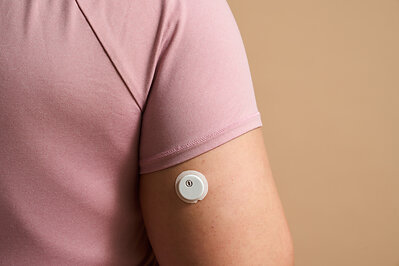
Libre Duo 10 Day continuously monitors both glucose – the standard of care for daily diabetes management – and ketone levels. Unlike blood or urine ketone tests, which provide only a single point-in-time reading, the sensors continuously track ketones and are designed to alert people when ketones are rising.
"If glucose is the speedometer, ketones are like the check engine light—providing an alert that something may need attention," said Chris Scoggins, executive vice president of Abbott's diabetes care business. "Libre Duo 10 Day brings both glucose and ketone levels together in a single dashboard, providing a more complete picture to help people with diabetes make more informed decisions."
Libre Duo 10 Day is designed for those who may be at higher risk of elevated ketones. This includes people with Type 1 or Type 2 diabetes who use insulin or other glucose-lowering medications, such as sodium-glucose cotransporter 2 inhibitors, also known as SGLT2s.
Libre Duo 10 Day offers up to 10 days of wear8 and is intended for people with diabetes ages 2 and older. It uses the latest-generation Libre app available in the United States today and will integrate with the broader Libre digital health ecosystem, including LibreView for health care providers and LibreLinkUp for caregivers.
Abbott is working with leading pump companies to enable automated insulin delivery (AID) systems to connect with the sensors. The company expects Libre Duo 10 Day to work with Beta Bionics' iLet and Sequel Med Tech's twiist AID systems by the end of this year and with devices from Insulet and Tandem in 2027. Abbott and MiniMed are collaborating on an exclusive integration between Abbott-manufactured dual glucose-ketone sensors and MiniMed smart dosing systems, which is expected in 2027.
"In my role with Breakthrough T1D, and as someone who has lived with Type 1 diabetes for decades, I understand the serious risk of diabetic ketoacidosis and how challenging it can be to identify and monitor elevated ketone levels," said Aaron J. Kowalski, Ph.D., chief executive officer of Breakthrough T1D. "New technology like Abbott's dual glucose-ketone system has the potential to change that reality by giving people early and actionable information that can help identify and prevent dangerous complications like DKA. Breakthrough T1D is excited that the diabetes community will have this option available to support their day-to-day management."
Abbott received CE Mark for Libre Duo systems earlier this year.