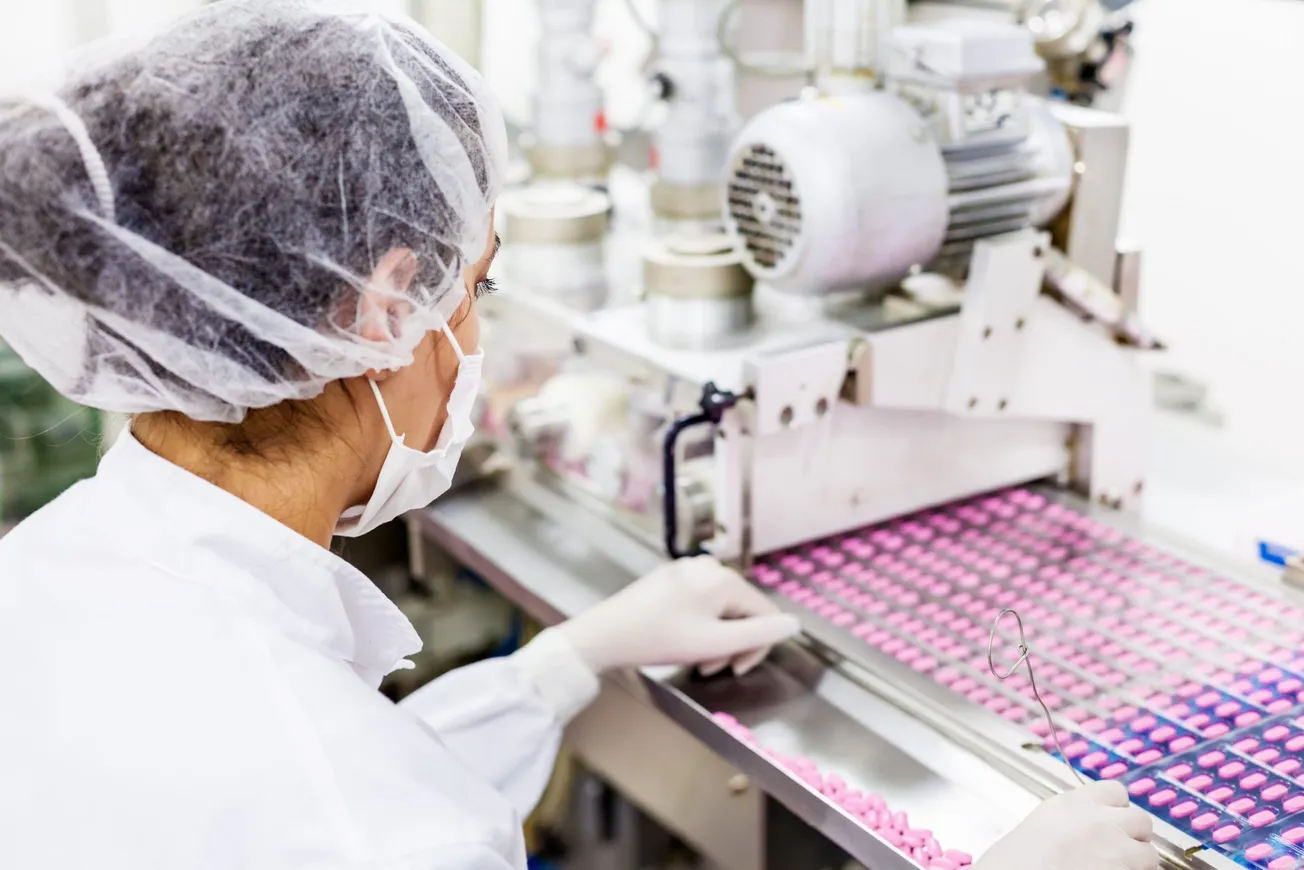
NEW YORK — The global market for active pharmaceutical ingredients (APIs) is projected to more than double in the next decade, reaching $445.7 billion by 2035, according to a new report from Vantage Market Research. Growth will be driven by innovation in biologics, expanded use of contract manufacturing, and adoption of advanced synthesis technologies.
North America’s Central Role
The United States remains the largest single market for APIs, driven by high prescription drug consumption, a robust regulatory framework, and a world-class biotech manufacturing infrastructure. U.S. companies, including Pfizer, Eli Lilly, Merck & Co., and Bristol Myers Squibb, are leading in both traditional and specialty API development, particularly in oncology, immunology, and cardiovascular therapies.
The Food and Drug Administration’s (FDA) evolving regulatory pathways for biologics and complex generics are also creating opportunities for American manufacturers and contract development and manufacturing organizations (CDMOs). These dynamics make the U.S. a key driver of global pharmaceutical supply resilience.
Market Drivers
- Generics and biosimilars: The demand for lower-cost alternatives is accelerating API production in the U.S., particularly as blockbuster drugs lose their exclusivity.
- Biologics and high-potency APIs (HPAPIs): The expansion of monoclonal antibodies and specialty therapies is fueling growth in higher-margin segments.
- Continuous manufacturing: U.S.-based investment in advanced synthesis techniques is improving cost efficiency and scalability.
- Sustainability: Green chemistry initiatives are gaining traction as companies align with environmental and ESG standards.
Supply Chain Pressures
Despite its leadership, the U.S. remains dependent on imports—particularly from India and China—for many bulk APIs. Recent supply disruptions and geopolitical tensions have heightened calls in Washington to localize API manufacturing. Federal incentives for domestic production, including provisions in the Inflation Reduction Act and pandemic preparedness funding, aim to reduce reliance on foreign suppliers.
Outlook
With a projected 7.15% CAGR between 2025 and 2035, the API market is evolving from a background component of drug production into a strategic asset for pharmaceutical companies and policymakers. For the U.S., the challenge will be balancing global partnerships with investment in domestic capacity to ensure security of supply while advancing innovation in high-value therapeutic areas.