NEW YORK — Two independent scientific studies have confirmed that the targeted application of concentrated heat to an insect bite significantly reduces itch intensity within minutes, outperforming untreated controls and requiring no medication, cream, or chemical of any kind. The findings come from Beurer, the German health technology company that pioneered the modern heating pad more than a century ago and has now applied that precision thermal science to one of the most common dermatological complaints worldwide.
"What makes this body of evidence so compelling is not just the size of the effect, but its consistency across two independent studies, two research methodologies, two mosquito species, and a broad cross-section of the general population," said Britta Dittrich, president of Beurer North America. "The data is pointing in one direction."
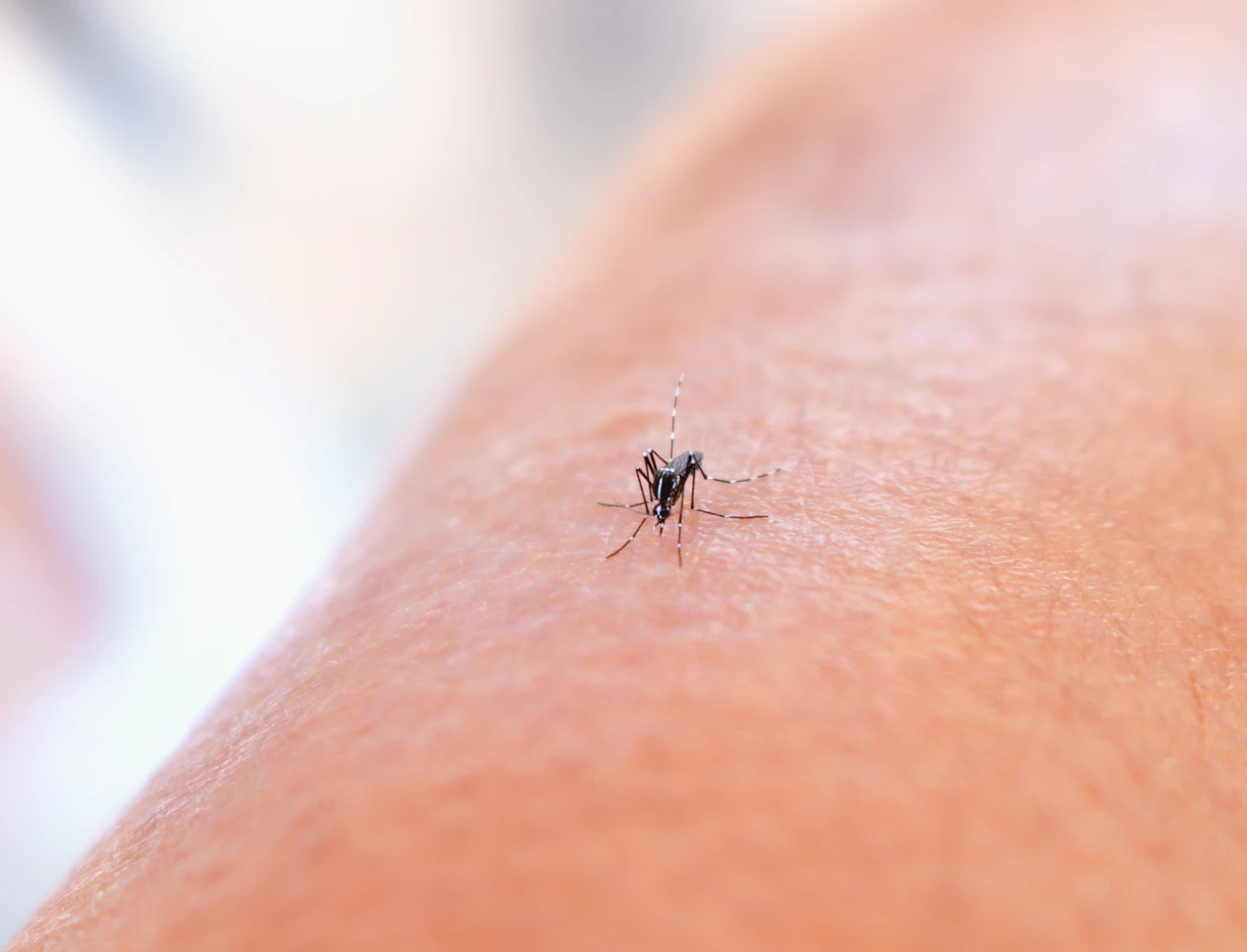
The first study, a controlled clinical trial conducted by Institut Prof. Kurscheid and registered with the German Clinical Trials Register (DRKS00033004), enrolled 22 participants -- 15 women and 7 men with an average age of 28 -- who were bitten under controlled laboratory conditions by two mosquito species. The results were clear: within just two minutes, people using the BiteX Insect Bite Healer (BR60) reported itch scores nearly half those of the untreated group (2.40 versus 4.30 on a 10-point scale). Over the full 60-minute observation period, treated bites produced an average itch exposure score of 97, compared with 161 for untreated bites -- a difference that was statistically significant (p<0.01). In more than 6 in 10 observations, treated bites achieved at least a 50% reduction in itch at the very first measurement point. No adverse events were reported.
The second study, published in Acta Dermato-Venereologica by researchers from Charité Universitätsmedizin Berlin and the Fraunhofer Institute, tracked more than 12,000 treatments across 1,750 participants. Mosquito bite itch dropped 57% within the first minute and 81% within five to 10 minutes. Participants who applied heat showed 7.1 times greater itch reduction at one minute compared to an untreated control group. The heat worked equally well whether applied minutes or more than six hours after the bite.
Both studies point to a neurological rather than pharmacological mechanism. Researchers note that concentrated heat activates TRPV1 nerve receptors, which override and suppress the itch signal before the brain processes it as discomfort, a process known as counter-stimulation. The effect works on both histamine-driven and non-histamine itch, covering the full range of reactions from mosquitoes, bees, wasps and horseflies.
The safety profile across both studies was exceptional. The clinical trial recorded zero adverse events across 44 observations. The Charité-Fraunhofer study documented side effects in fewer than 0.13% of more than 48,000 data points, with none classified as serious. The absence of systemic effects makes thermotherapy particularly relevant for pregnant women, young children and patients managing multiple medications, populations for whom standard topical treatments are often limited or contraindicated.
The Beurer BR60 applies a ceramic heating plate calibrated to 122° degrees Fahrenheit for three to six seconds. At $22.99, it is a one-time purchase with no consumables and no prescription required.