
As people become more active in managing their health, priorities at consumer health companies are shifting beyond products to focus on how to serve consumers throughout their self-care journeys.
Providing value means giving consumers options that fit their individual needs and preferences, according to Jason Milligan, U.S. general manager for O-T-C at Haleon.

“As consumer expectations continue to evolve, our priority is to combine trusted science with consumer insights to deliver meaningful solutions that support responsible self-care and help people take charge of their health,” says Milligan.
Consumers are navigating more health information and product choices than ever before, he says. “This makes it increasingly important for manufacturers to provide clear, science-based information that helps people make informed decisions about their health.”
Milligan leads strategy, commercial performance and cross-functional execution for Haleon’s U.S. portfolio of over-the-counter brands, including Advil, Theraflu, Voltaren, Centrum and Robitussin. With more than two decades in consumer health and brand leadership across major O-T-C and oral health categories, Milligan has seen firsthand how “value” has come to be defined by more than the price on the shelf.
“It’s also about finding a product that meets your individual needs, fits your preferences and gives you confidence in your decision,” he says. “We’ve built trust with consumers over generations, but we know we have to continue earning it. That means combining our heritage and scientific expertise with innovations that respond to consumers’ evolving needs.”
Recent O-T-C innovations at Haleon are playing a critical role in giving consumers options that fit their individual needs and preferences, he says.
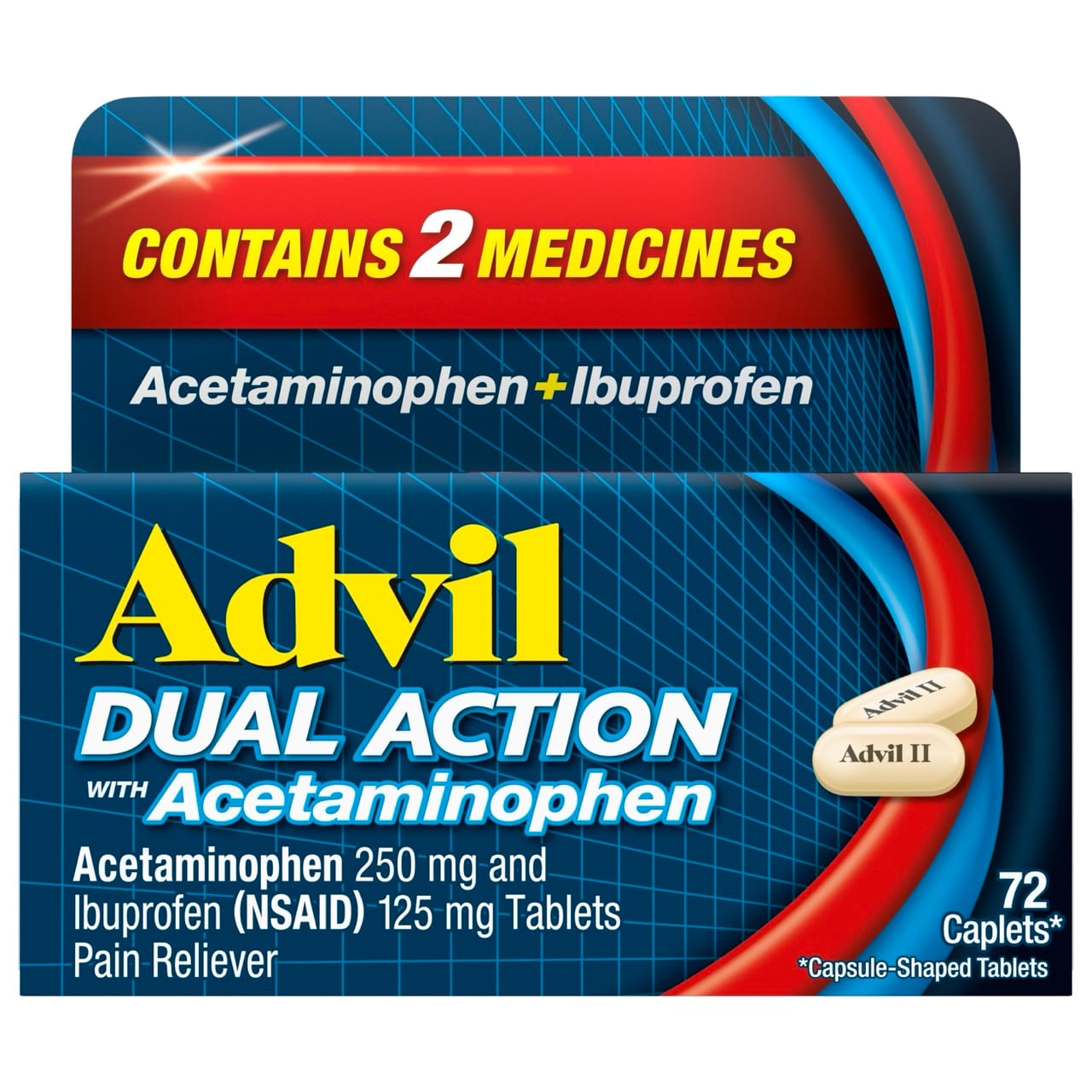
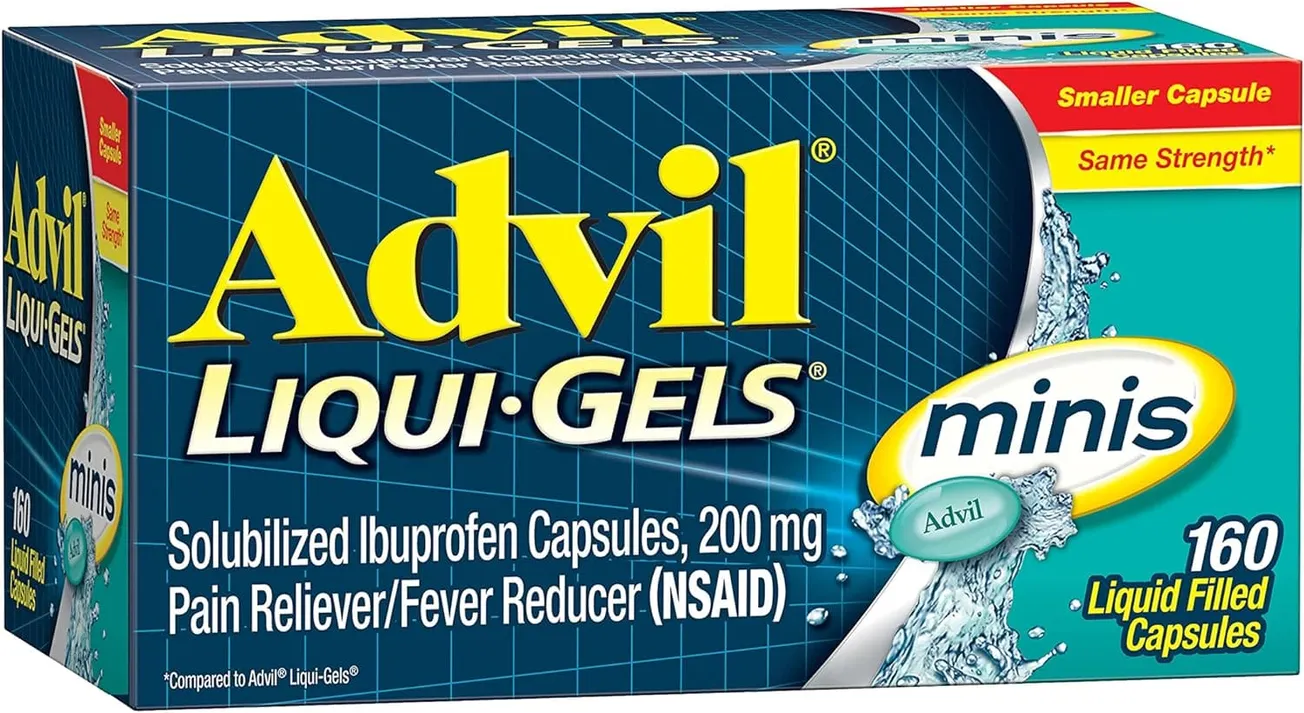
“For example, Advil offers traditional tablets alongside liqui-gels minis — which provide a smaller capsule option for consumers who may have difficulty swallowing larger pills — and Advil Dual Action, which combines ibuprofen and acetaminophen to address pain in two ways,” he says. “These are examples of how we can offer different solutions to meet consumers’ needs beyond price alone.”
Innovation doesn’t always have to mean developing something entirely new, he asserts. Sometimes the biggest opportunity is improving an everyday experience that consumers find frustrating or inconvenient.
“We look at innovation through that lens: What problem are we solving, and how will it make self-care easier? That means looking at the entire consumer experience to identify opportunities for improvement. Is the packaging difficult to open? Is the format convenient? These are the kinds of everyday challenges that can inspire meaningful innovation.
“A good example is Advil’s Easy Open Arthritis Cap. For someone experiencing arthritis-related hand discomfort, something as simple as opening a bottle of pain reliever can be challenging. The Easy Open Arthritis Cap is designed to make that interaction easier. It’s a relatively simple innovation, but it demonstrates how understanding the consumer experience can lead to a meaningful improvement.”
Milligan sees opportunities for manufacturers and retailers to work together to make self-care less complex for consumers.
“With so many products and health information sources available, finding the right solution can sometimes feel overwhelming. We have an important role to play in making that experience easier,” he says. “Retailers are often the first place consumers turn when they have an everyday health need, whether they’re shopping in-store or online. By combining retailers’ understanding of shopper behavior with Haleon’s trusted science and consumer insights, we can help people navigate the O-T-C aisle with greater confidence.”
For example, Milligan cites Haleon’s work with an AI-enabled partner to deliver 30-day pollen forecasts that help its retail partners anticipate when and where consumers will need allergy relief—information that informs inventory recommendations and can improve product availability.
“Ultimately, making self-care easier requires more than developing great products. It also means helping consumers understand their options and find the solutions that best meet their needs,” Milligan says. “That’s an opportunity manufacturers and retailers can address together.”
Submit Your Press Release
Have news to share? Send us your press releases and announcements.
Send Press Release


