WOONSOCKET, R.I. — CVS Specialty is delivering measurable improvements in medication adherence, equitable access and patient quality of life, according to three new studies highlighting how its care models support people managing rare and complex therapies.
All CVS Specialty patients have access to dedicated, highly trained CareTeams and therapy-specific support models, with more than 500,000 patients served through 35 Centers of Excellence for rare and ultra-rare conditions. For many, that hands-on support is essential.
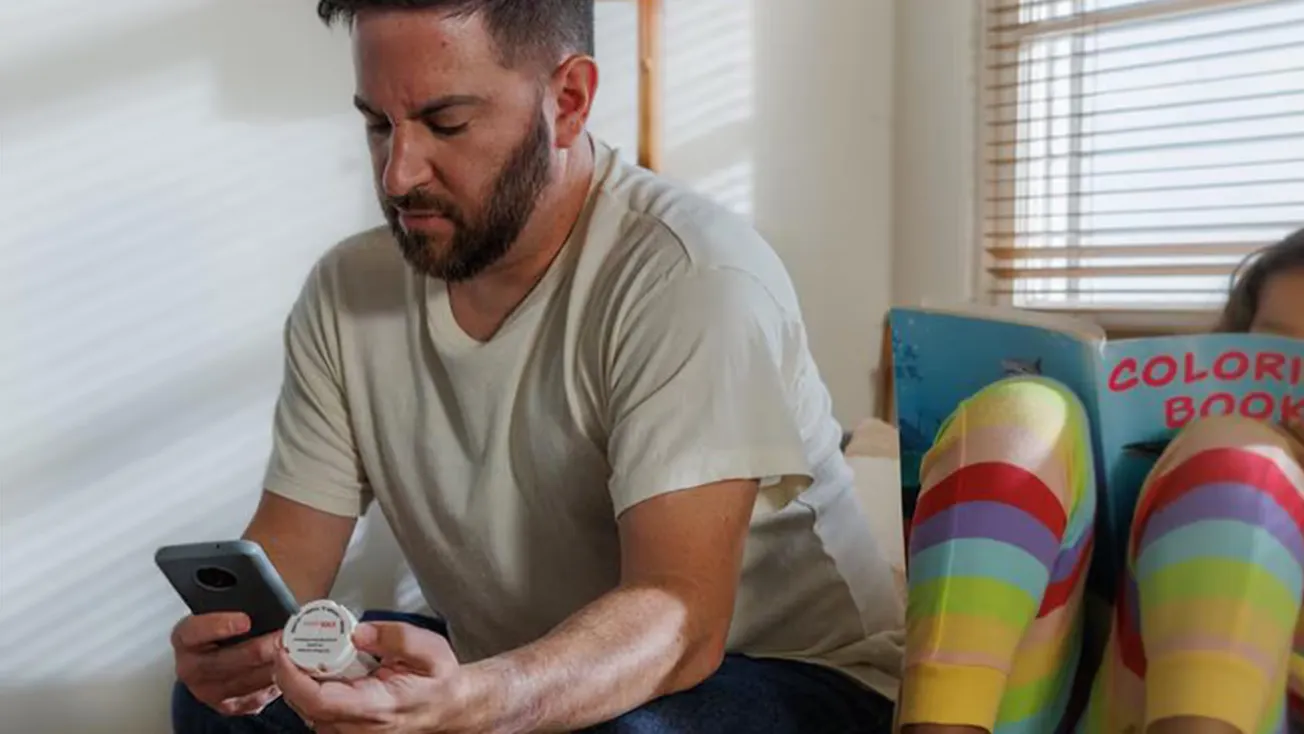
Tommy Jensen, a patient with pulmonary arterial hypertension (PAH), says ongoing contact with his CVS Specialty CareTeam has been critical to staying on track with a complex therapy regimen. PAH medications require strict adherence, and missing doses can quickly worsen symptoms. Jensen credits regular check-ins and 24/7 access to specially trained pharmacists for keeping him consistent with his treatment.
“CVS is really good about being available,” he says. “Knowing someone understands my therapy and answers when I call gives me confidence.”
A recent study reinforces that experience. Patients enrolled in CVS Specialty’s pharmacist-managed program for inhaled Tyvaso had adherence rates 11.5 percent higher than those of patients who were not enrolled. The proportion of days covered was 87 percent compared with 78 percent in the control group. The data shows that consistent outreach, therapy assessments and clinical coaching can help patients stay on therapy longer and avoid setbacks.
Another study shows CVS Specialty is improving access for patients who often struggle to receive specialty care. Among the more than 7,600 patients enrolled in the company’s Rare Disease Program, 44 percent reside in rural communities and 16 percent come from the most socially vulnerable populations. Nearly half of those patients completed five or more care assessments and remained enrolled for more than 200 days.
“The research reflects our commitment to meeting patients where they are,” says Ashley Czonstkowsky, Vice President of Coram and CVS Specialty Therapy Operations. “It is worth pointing out that our reach matters not only to patients, but also to payors, providers, manufacturers and advocacy groups who rely on scalable, equitable solutions to improve care delivery.”
A third study offers new insight into how therapy affects day-to-day life. Coram CVS Specialty Infusion Services analyzed three years of patient-reported data from more than 2,500 interviews with individuals using teduglutide for short bowel syndrome. The therapy can reduce dependence on IV nutrition and hydration, which is often both costly and restrictive for patients.
“While teduglutide’s clinical impact is well documented, it does not tell the whole story,” says Sarah Carter, a CVS Specialty registered dietitian who led the review. “Patient-reported experiences such as feeling stronger, gaining weight or being able to travel reveal how therapy affects daily life, independence and emotional well-being.”
Most patients reported improvements within the first two months, which helped CareTeams set realistic expectations and tailor support accordingly. By leveraging digital tools and real-time clinical documentation, CVS Specialty says it can track progress, identify trends and personalize each patient’s care journey.
CVS Specialty leaders say the studies reinforce a unifying goal: delivering care that goes far beyond the prescription.