The rising prominence of pharmacy in health care and the proliferation of diabetes and prediabetes have positioned pharmacists as a tremendous resource for management of this chronic condition and its potentially devastating consequences. The development of continuous glucose monitors has provided a new capability for controlling diabetes, but optimal CGM usage calls for regular input from accessible health care providers — and no group fits that mold more than pharmacists.
These professionals have embraced the opportunity to enhance diabetes care, notwithstanding the hurdles presented by billing CGMs to Medicare Part B. On the following pages, pharmacy retailers and an executive who works with them discuss how they have overcome those hurdles to help patients make the most of the latest diabetes care technologies and the potentially massive benefits of GLP-1 medications.
Diabetes Care Roundtable 2025 is sponsored by Advanced Diabetes Supply, a Cardinal Health company
Participants:
Fred Bencivengo, Senior Director of Pharmacy Operations, Giant Eagle
Michael Carmody, Vice President of Pharmacy Services, Advanced Diabetes Supply Group (a Cardinal Health at-Home
Solutions business)
Justin Heiser, President & CEO, Thrifty White
Chris Hewell, Director of Managed Care, Publix
John Marraffa, President, Kinney Drugs
Mike Wysong, CEO, CARE Pharmacies Cooperative
CDR: How do you see the role of pharmacies evolving in chronic disease management — particularly with technologies like CGMs (continuous glucose monitors)?
HEISER: Pharmacists are becoming a bigger part of the care team, playing a more active role in helping patients manage chronic conditions day to day. Our medication synchronization program follows an appointment-based model, giving pharmacists a consistent monthly touchpoint to check in with patients. That structure makes it easy to integrate chronic care management — reviewing CGM data, reinforcing adherence and addressing issues before they turn into problems. Patients already trust their pharmacist, and that ongoing relationship positions pharmacy perfectly to help people stay healthier and more engaged in their care.
MARRAFFA: At Kinney Drugs, we see the pharmacist’s role in chronic disease management continuing to expand significantly, especially with the integration of technologies like CGMs. Our pharmacists are among the most accessible health care providers in our communities, and we’re uniquely positioned to bridge gaps between patients, providers and technology.
CGMs have transformed how patients understand and manage diabetes, moving from episodic finger-sticks to continuous, actionable insights. Kinney pharmacists serve as educators, facilitators and advocates to help patients choose the right device, interpret trends and coordinate care with their health care teams.
Beyond dispensing, we envision pharmacists becoming care partners in ongoing disease monitoring, medication optimization and adherence support. We believe that pharmacists can play a proactive role in identifying issues early and preventing complications.
HEWELL: Pharmacies are transforming from dispensing centers into key access points for chronic disease care — driven by technology, accessibility and expanding clinical authority. CGMs are at the forefront of this shift, enabling pharmacists to deliver more proactive, personalized and outcomes-based care. Pharmacists can play an active role in disease management, especially for diabetes, hypertension and hyperlipidemia. Grocery-based pharmacists are situated in a particularly advantageous position. Frequent patient encounters make them ideal partners in behavior change.
WYSONG: As I travel around the country, I am often asked about the “rising and unsustainable costs” of health care and the important role that pharmacies and pharmacists play in helping to mitigate the issue. Community pharmacies have long been viewed as trusted health partners and have largely served as primary access points for high-need patients, particularly those suffering from chronic diseases like hypertension, cardiovascular disease and diabetes. As the prevalence and cost of these conditions continue to grow, so too does the role of the pharmacist. This challenge presents an opportunity for pharmacy to continue to showcase the value that it brings to the emerging models of care. Community pharmacy has always prioritized personalized service and embraced the idea of better care coordination for patients. Emerging technologies like CGMs play perfectly into that strength. I can see a time when we can use CGM data in tandem with other critical health data to prevent the proliferation of chronic disease before it becomes untenable and at the same time significantly reduce the cost of health care being delivered to patients.
BENCIVENGO: Pharmacists are key members of the health care team to help patients manage diabetes. The availability of CGMs as a pharmacy benefit has been impactful in helping provide patients with awareness of their blood sugar levels, as more patients now have access to these devices. Pharmacists are more involved with the additional counseling on proper use of CGM devices and in helping patients understand the data and blood sugar trends. Additionally, pharmacists can help interpret results to provide meaningful conversations regarding blood sugar control, leading to overall better health outcomes.
CARMODY: The role of clinical interactions within the community pharmacy setting has grown significantly in the past decade -— oftentimes, these pharmacies are the trusted centers of health for their communities. And we want to continue to see pharmacists utilizing their education and expertise to the top of their capabilities. This includes going above filling prescriptions on behalf of their patients to supporting ongoing patient education and adherence, including helping those using technologies like CGMs for the first time to understand how to use them and how their refill programs will work.
Herein lies the rub — it is increasingly difficult for pharmacies to receive payment for these important services, especially with CGM fulfillment. Pharmacies shouldn’t have to spend time jumping through hoops for reimbursement. Payers, distributors, providers and pharmacies alike should work together to create policies that can leverage new technologies and therapies like CGMs, insulin pumps and other devices to help improve patient experiences and outcomes while allowing for providers to be reimbursed appropriately. Technology for managing and treating diabetes is only going to get smarter — we need to do the work now to ensure we’re positioned to support the innovations coming our way in the next five or 10 years — and beyond.
CDR: Billing CGMs to Medicare Part B is complex — even for larger chain pharmacies. Are there notable barriers you experience?
MARRAFFA: Billing CGMs under Medicare Part B must follow the Durable Medical Equipment (DME) benefit guidelines, which require several conditions to be met: a documented diabetes diagnosis meeting clinical criteria, a valid prescription with proof of training and documentation of a recent provider visit. Many pharmacy billing systems are not equipped to efficiently collect and store this level of documentation, which is why Kinney Drugs chose to partner with specialized vendors like he Advanced Diabetes Supply Group (ADS) to process CGM to ensure compliance and continuity of care.
Kinney Drugs has teamed up with ADS to process CGM products for Medicare Part B patients. In the past, we were often forced to turn away these patients because we could not directly bill their Part B plans. Through this partnership, we no longer need to turn them away. Instead, we take the time to educate patients about our collaboration with ADS and request their permission to transfer their CGM prescription(s) for processing. Once patient consent is obtained, ADS reaches out within 24 business hours to complete the setup.
This partnership has been an outstanding success, ensuring no gaps in care and allowing patients to access the CGM products they need without interruption.
We’ve also observed regional differences in how patients engage with CGM services. In our more rural communities, pharmacists often serve as the primary source of CGM education and ongoing support due to limited access to endocrinologists or diabetes educators. In suburban markets, the role is more collaborative, with pharmacists reinforcing guidance from specialists. Across all locations, our goal remains the same, to ensure equitable access to diabetes technology and personalized care.
WYSONG: There is no question that billing CGM services under Medicare Part B can have its challenges. As a growing pharmacy cooperative, we try to proactively focus our attention on helping our member-owners overcome the barriers they face if they want to practice in this space. These challenges include proper administrative and back-end support, ensuring continued FDA compliance, navigating payment delays, planning for cash flow disruption, proactive audit support and navigating the complex prior authorization process. The good news for us is our unique geographical diversity does allow us to customize our approach for each member pharmacy, ensuring a more culturally tailored approach resulting in better patient education and outcomes.
CARMODY: The pharmacy services that we provide through ADS are built exactly with these barriers in mind, so I can tell you firsthand there are quite a few that pharmacies face today.

At the core, there is a lack of consistency among already complex policies from Medicare Part B and commercial medical payers. This leads to confusion within the pharmacy. We also know that Medicare Part B patients who are prescribed a CGM don’t always end up being qualified under Medicare coverage policy — and it takes a lot of time and resources to work through each of these individual cases to determine this. In my work with pharmacies over the last six years in this space, less than half of the patients we see do not meet medical coverage criteria for the CGM they’ve been prescribed. Our solution bridges that gap between the pharmacy and patient by leveraging our expertise around medical record obtainment and review to determine eligibility while also billing for and delivering this unique product directly to the patient.
As I mentioned, reviewing medical records is crucial to determining compliance with the payer coverage policies. Most pharmacies are simply not set up to manage a workflow like that at this time — and some look to outsource medical record chasing, which can be a fruitless, costly experience and create unintended delays. We’ve specifically built a solution within existing pharmacy workflows that addresses this exact barrier to care to ensure patients can get access to a supplier that can review whether the patient meets applicable coverage criteria. We know exactly how to navigate different plans, how to chase down medical records and how to get the right documentation to ensure compliance.
HEISER: The administrative burden tied to Part B billing is pretty significant. A lot of rural pharmacies just don’t have the staff or systems to take it on, and that ends up limiting access for patients who could really benefit from CGMs. Our pharmacists and support teams have leaned in to make it work because access matters — especially in communities where we may be the only pharmacy for miles. But it really shouldn’t be this complicated for patients to get a device that can make such a big difference in managing their health.
CDR: What operational adjustments did your pharmacy have to make to accommodate a Medicare Part B CGM program? What feedback have you gotten?
WYSONG: As CMS continued to refine Part B coverage on CGMs, we also had to be nimble in shifting our support to our member pharmacies. This shift included making sure that we had the appropriate CGM and accreditation partners within our stable of “preferred partners.” We also had to make sure that our pharmacies practicing in this space had the appropriate billing and workflow integration within their pharmacy software platforms. We worked with specific pharmacies on patient outreach, patient education, and the implementation of diabetes clinics. The feedback we have received thus far has been largely positive, ranging from valuable insights gained with real-time data, to a growing sense of greater patient independence. The administrative component, however, continues to have its inherent challenges. All things considered, the advancements realized here in patient support and real-time data prove that pharmacy is uniquely positioned to fill in the gaps of care and can drive favorable outcomes when empowered.
CARMODY: We created our pharmacy services solution in early 2019 working closely with chain pharmacies to create a workflow-friendly solution that would truly work for them. We leveraged platforms in the pharmacy to mimic the daily experiences for medication transactions, and we worked with a third party to capture the data we needed to begin the patient journey. At the end of the day, our goal was to make it easier for people to get the CGM and diabetes supplies they need — and deliver their supplies directly to their door — while ensuring our pharmacy partners don’t have disruption in the important relationships they have with patients for their medication needs. We’ve done just that. Today, we are proud to work with more than 11,000 pharmacies that have Part B provider numbers and those that do not, including some of the top mass merchandising and grocery retail pharmacies in the U.S. Moreover, we continue to expand our capabilities now that we are a part of Cardinal Health at-Home Solutions. Our solution is a rare win-win solution for pharmacies and patients alike — it resolves challenges pharmacies face when filling CGM under Part B and helps patients get the tools they need to manage their conditions on time. We thrive off of the joy of knowing we have a direct impact in changing our diabetic patients’ lives for the better with every interaction.
MARRAFFA: Once we teamed up with ADS, we provided targeted education to our pharmacy teams on how these patient transfers would need to occur. When a patient agrees to participate, ADS is notified through our dispensing software and reaches out to the patient within 24 business hours. The prescription is processed under the ADS BIN/PCN in our pharmacy management system, along with the patient’s phone number to ensure prompt follow-up.
However, not all patients will qualify, even with ADS. For those who do not, Kinney Drugs continues to offer the option to pay cash or use a discount card to fill CGM products directly at our pharmacies. Operationally, we’ve added workflow steps to ensure that we identify eligible patients for referral to our vendor partner, while maintaining support for those who continue to receive their products through our stores.
The process of transferring the patient to the care of ADS is relatively simple and accomplished entirely within our pharmacy dispensing software. This streamlined integration has been very positively received by both patients and staff, as it provides easier access to CGM therapy while maintaining continuity within the patient’s existing pharmacy relationship. It has also allowed us to retain patients within our care ecosystem, ensuring a more holistic and coordinated approach to diabetes management.
Feedback has been overwhelmingly positive. Patients value the accessibility and personalized attention they receive at their local Kinney pharmacy. The experience confirms that pharmacies can play a transformative role in improving CGM access, adherence and overall patient outcomes.
HEISER: We had to rethink our workflow to make CGMs under Medicare Part B sustainable. That meant creating more centralized processes, tightening communication and leaning on the right partnerships to handle the administrative side so pharmacists could stay focused on patients. Our teams have done a great job adapting and finding new ways to make the process smoother for both patients and providers.
CDR: How is the popularity of GLP-1s impacting diabetes care, and what role should pharmacies play?
HEWELL: GLP-1 medications are transforming diabetes care by addressing weight, cardiovascular and kidney health in addition to glucose control, but long-term success requires ongoing therapy, modifying lifestyle habits and close monitoring. Diabetic and prediabetic patients should be mindful of nutrition, physical activity, eye health, hydration, protein intake and safe medication practices. Pharmacies play a critical role in supporting adherence, optimizing treatment and educating patients on comprehensive, long-term management strategies.
HEISER: GLP-1s have completely changed the conversation around diabetes and obesity care. Patients are seeing real results, but they still need support — understanding coverage, managing expectations and staying consistent with treatment. That’s where our pharmacists shine. They’re close to the patient, helping connect the dots between the prescriber, the payer and the manufacturer. There’s a real opportunity for collaboration to make access easier and outcomes stronger — and our pharmacists are already leading that work in their communities.
BENCIVENGO: GLP-1 medication popularity for uses outside of diabetes initially impacted access to the medications for patients with diabetes, as supply was strained. Pharmacists play a large role in the counseling of these agents as they educate on titrating doses, injection technique, side effect management and lifestyle habits. Those living with diabetes and/or prediabetes need to be mindful of not expecting quick results, as management of diabetes is long term and use of GLPs needs to be coupled with lifestyle choices such as activity and healthy eating habits for the best outcomes.
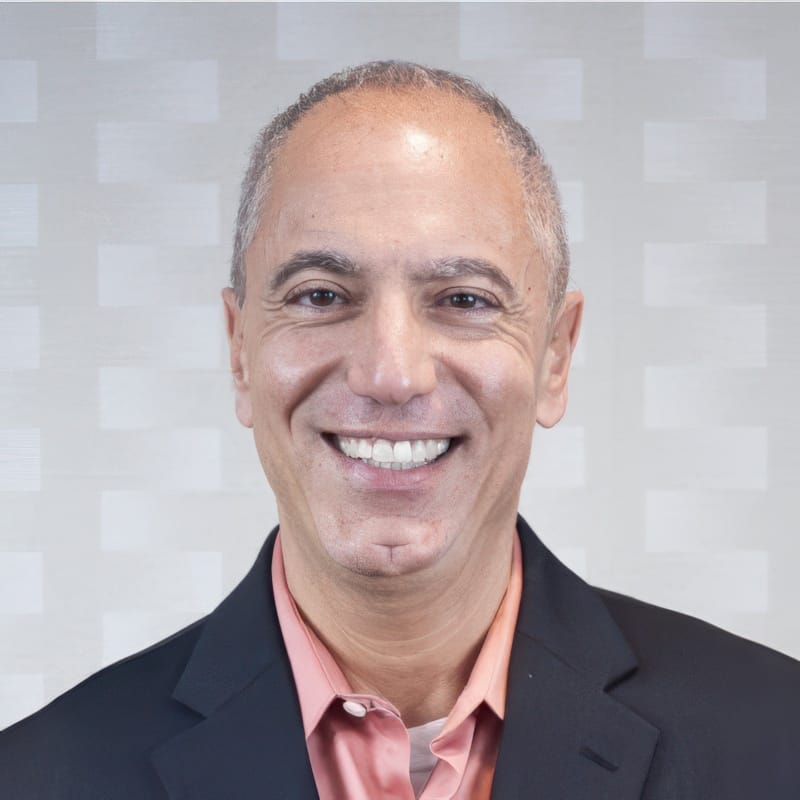
MARRAFFA: There’s no question that GLP-1 receptor agonists have changed the landscape of diabetes care. Their effectiveness in glycemic control and weight management has been transformative, but they are not a stand-alone solution.
For those living with prediabetes or type 2 diabetes, even while taking a GLP-1, it’s crucial to stay mindful of nutrition, exercise, blood glucose monitoring and medication adherence. Lifestyle modification remains the cornerstone of prevention and management of diabetes.
Pharmacists play a critical role in reinforcing this message. Our pharmacists regularly counsel patients about realistic expectations, possible side effects, and ongoing monitoring. We also help patients manage supply continuity issues, given the high demand for GLP-1s, and coordinate with prescribers when alternatives or dose adjustments are needed.
Ultimately, Kinney Drugs aims to ensure that every patient sees their pharmacy not just as a place to fill prescriptions, but as a trusted partner in long-term health management.
CARMODY: We see GLP-1s as an incredible complement to CGM therapy — an advancement in this space that makes it easier, more effective and personalized for those living with diabetes. We all play a role in helping the people living with diabetes we serve understand their options as new innovations are made available. We all have an obligation to ensure that when patients are prescribed a new therapy, we support them every step of the way on their care journey. I see pharmacies playing a major role in patient education and adherence — as I said before, they are trusted in their communities as centers for health and have a unique ability to make sure their patients are continuing on their therapy, understand how to use it and get important questions answered that can contribute to better outcomes. We’re here to support pharmacies in this journey — we’ve invested heavily in customer experience, and we will continue to do so, including making sure we understand the products that we offer to patients on a deep level. I am hopeful for continuing to serve pharmacies with our expertise — together, I know we can make a big impact on helping patients take advantage of the incredible developments we’re seeing and will continue to see.
WYSONG: The uptake and utilization on GLP-1 drugs are well documented and the proliferation of this class of drugs has not only changed current pharmacy trends. It’s also changed the way we approach diabetes care. That said, GLP-1 drugs are not a “cure all” solution, and any patient on a GLP-1 drug must continue to stay diligent in managing what they eat, addressing any potential side effects, and staying focused on being active and exercising. The pharmacist will continue to play a important role in the oversight of the care plan and not just the refill. This would entail follow up consultations for prescription refinement, shared decision making, real-time monitoring, and a detailed plan with the patient for lifelong maintenance and control.