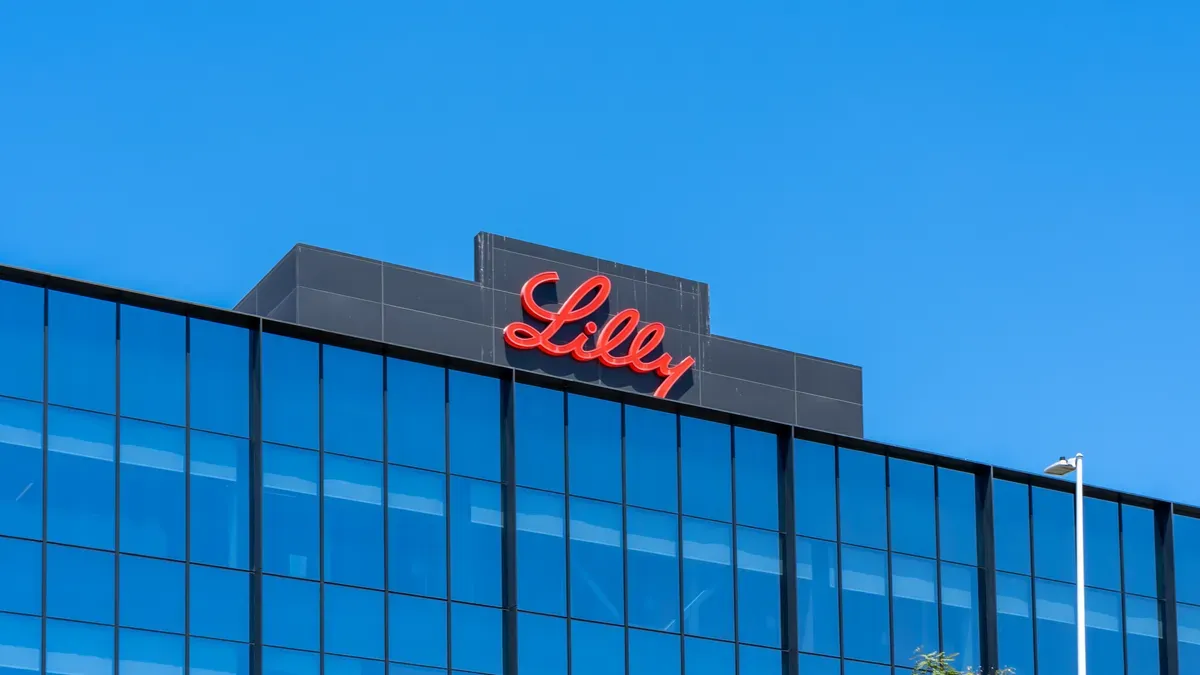
INDIANAPOLIS — Eli Lilly made history as the first healthcare company to reach a $1 trillion market cap on Friday, highlighting the massive success of its popular diabetes and weight-loss drugs Mounjaro and Zepbound.
Lilly briefly reached a milestone in early trading before retreating. Shares were recently around $1,048. The company is only the second nontechnology firm in the U.S. to surpass $1 trillion, after Warren Buffett’s Berkshire Hathaway.
The stock has increased by more than 36% this year as investors continue to favor Lilly’s growing lead over its main competitor, Novo Nordisk, in the GLP-1 drug sector. Demand for its incretin therapies has skyrocketed, fueled by the tremendous success of Mounjaro for diabetes and Zepbound for obesity — two products that have transformed the pharmaceutical industry and shifted consumer expectations in chronic disease management.
Explosive Sales Growth Continues
In the third quarter, Mounjaro generated $6.52 billion in revenue, an increase of 109% from the previous year, while Zepbound rose 184% to $3.59 billion. Analysts expect demand to grow as regulators approve more uses and insurers expand coverage. Lilly is also getting ready to launch an oral version of its GLP-1/GIP therapy next year, a potentially game-changing move that could lower manufacturing challenges and give patients a more convenient alternative to injections.
With the global obesity drug market expected to surpass $150 billion by the early 2030s, analysts say Lilly is set to stay a leading player.
Competitive Pressures Rising
Novo Nordisk, despite recent manufacturing issues and leadership changes, remains a strong competitor with its semaglutide-based products, including Ozempic and Wegovy. Competition intensified this month when Pfizer outbid Novo Nordisk with a $10 billion offer for obesity-drug developer Metsera, highlighting the high stakes in the market.
A Company Transformed
Founded in 1876 by Civil War veteran and pharmaceutical chemist Eli Lilly, the company has been a pioneer in diabetes care for more than a century — from producing the first commercial insulin in 1923 to launching antidepressant Prozac and early polio vaccines.
The approval of tirzepatide in 2022 marked a pivotal moment. Mounjaro quickly reached blockbuster status, featuring a dual-hormone mechanism that imitates both GLP-1 and GIP, setting it apart from competitors that only use semaglutide. Zepbound’s 2023 approval further strengthened Lilly’s leadership in obesity treatment.
By 2024, Mounjaro generated $11.54 billion in annual sales, while Zepbound contributed $4.93 billion — figures that have helped push the company into territory once only reached by the biggest tech giants.
Lilly’s brief crossing of the $1 trillion mark signals not just a stock-market milestone, but also the scale of transformation happening across the global health-care and metabolic-disease sectors.