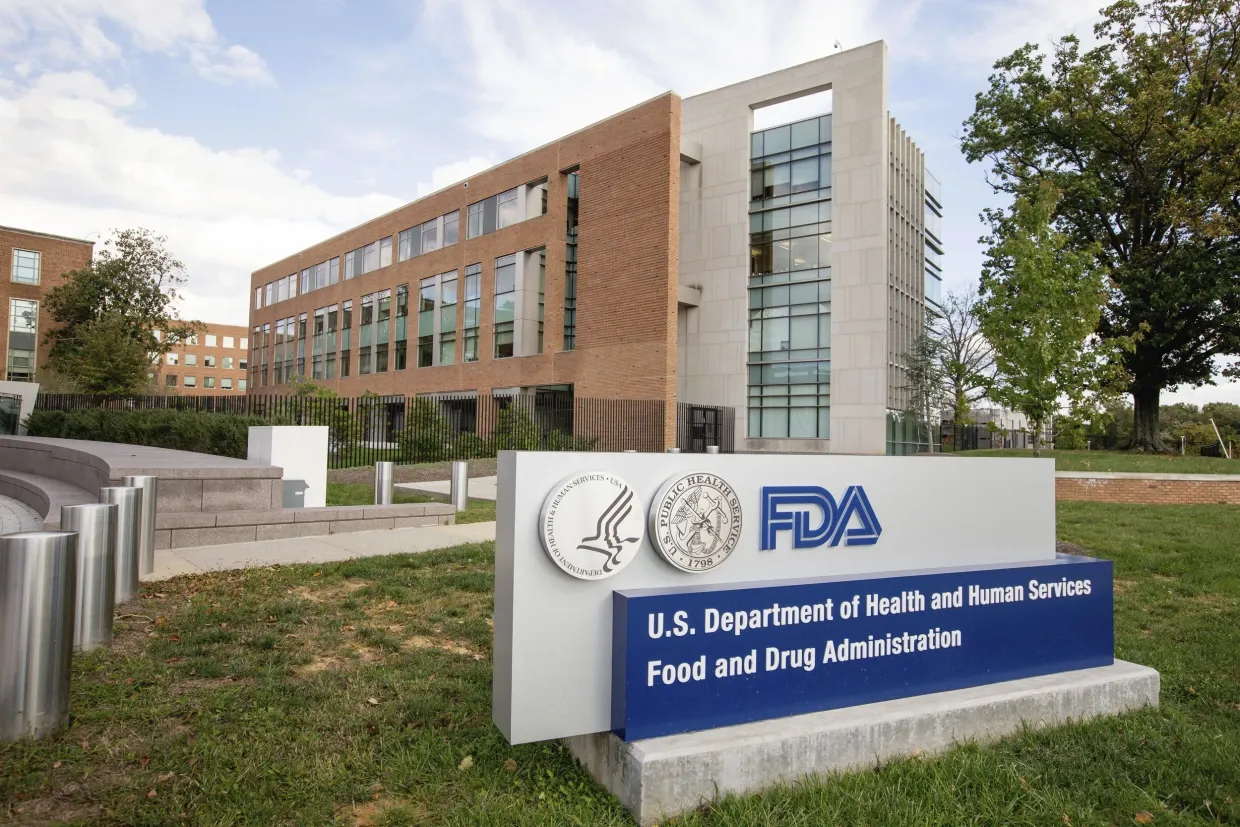
WASHINGTON — The Food and Drug Administration is re-examining reports of deaths and serious injuries potentially linked to Covid vaccines, The New York Times has reported. This is a rare move that underscores both political pressure from Health Secretary Robert F. Kennedy Jr. and the persistent tensions over the nation’s pandemic legacy.
Pressure from Washington
The renewed focus comes as Mr. Kennedy and his allies demand greater transparency around vaccine safety data, particularly involving children and pregnant women. The FDA has begun reviewing case reports of deaths among young people following vaccination, as well as reports of congenital disabilities in children born to vaccinated mothers.
FDA Commissioner Dr. Marty Makary told CNN earlier this month that the agency is investigating “young people who have died from the COVID vaccine,” pledging to release data “in full transparency, because this is the question that Americans are asking.”
Critics, however, argue the reviews are driven less by scientific necessity and more by political maneuvering. Many public health experts point out that global studies have overwhelmingly affirmed the safety of COVID vaccines, noting that millions of doses have been administered with relatively few confirmed severe side effects.
Billions of Covid vaccine doses have been administered globally, with serious side effects being extremely rare. Myocarditis, a closely watched risk, is usually mild and treatable, and less common than heart issues from COVID itself. For pregnant women, large studies show vaccines protect mothers and shield newborns from severe illness early on. Public health experts emphasize that vaccination benefits, preventing hospitalization and death, outweigh risks, even as federal agencies review case reports under political pressure.
A Legacy at Stake
The investigation is rekindling debate over former President Donald Trump’s Operation Warp Speed, which garnered bipartisan praise for expediting the development and market approval of mRNA vaccines. Any suggestion of undisclosed risks could tarnish that achievement, while also fueling the narratives of vaccine skeptics who have long questioned the shots’ safety.
At the same time, the reviews come just days before the Centers for Disease Control and Prevention’s Advisory Committee on Immunization Practices meets to issue updated recommendations. Those decisions could determine insurance coverage and access to vaccines for millions of Americans this fall.
Science and Uncertainty
Among the cases under review are roughly two dozen deaths in children, some involving myocarditis, an inflammation of the heart muscle that has been associated with both viral infections and COVID shots in rare instances. Dr. Tracy Beth Hoeg, a senior FDA official, is expected to present these cases to the CDC panel.
But the broader data tells a different story. Covid infections themselves have been linked to about 1,800 deaths in children under 18, according to the CDC, far outnumbering any suspected vaccine-related fatalities. Similarly, extensive research has shown that COVID vaccines protect pregnant women and their newborns, with studies even suggesting reduced stillbirth rates among the vaccinated.
Drug makers like Pfizer and Moderna are cooperating with the reviews, and Pfizer recently cited large-scale studies showing no increase in congenital disabilities among vaccinated women compared with the general population.
A System Under Scrutiny
The episode also highlights ongoing disputes over the Vaccine Adverse Event Reporting System (VAERS), a vast federal database that accepts reports from doctors, patients and manufacturers, many of which are unverified. The FDA’s move to spotlight individual reports mirrors Mr. Kennedy’s long-standing call for case-by-case scrutiny.
“We are recasting the entire program so that vaccine injuries will be reported, they will be studied, that individuals who suffer them will not be denied or marginalized or vilified or gas-lighted,” Mr. Kennedy said at a recent event.
What Comes Next
The CDC panel’s Sept. 18–19 meeting will be closely watched by states, insurers and the retail pharmacy sector, as its recommendations could determine not only who is eligible for vaccines but also who pays for them. Already, confusion has spread in some states where large chains have turned away patients based on evolving federal guidelines.
For public health leaders, the challenge now is balancing transparency with scientific rigor in an environment charged with political influence and public distrust. “To the best we could see, these vaccines were not associated with the deaths of children,” said Dr. Peter Marks, a former top FDA vaccine regulator. “They had a very good safety profile.”
Still, as the agency opens its books and the debate intensifies, the future of U.S. vaccine policy, and public confidence in it, may hinge on how the next week unfolds.