This month is American Pharmacists Month and a look at the industry shows a market in transition, one that appears to be shifting away from traditional drug stores and moving to supermarkets.
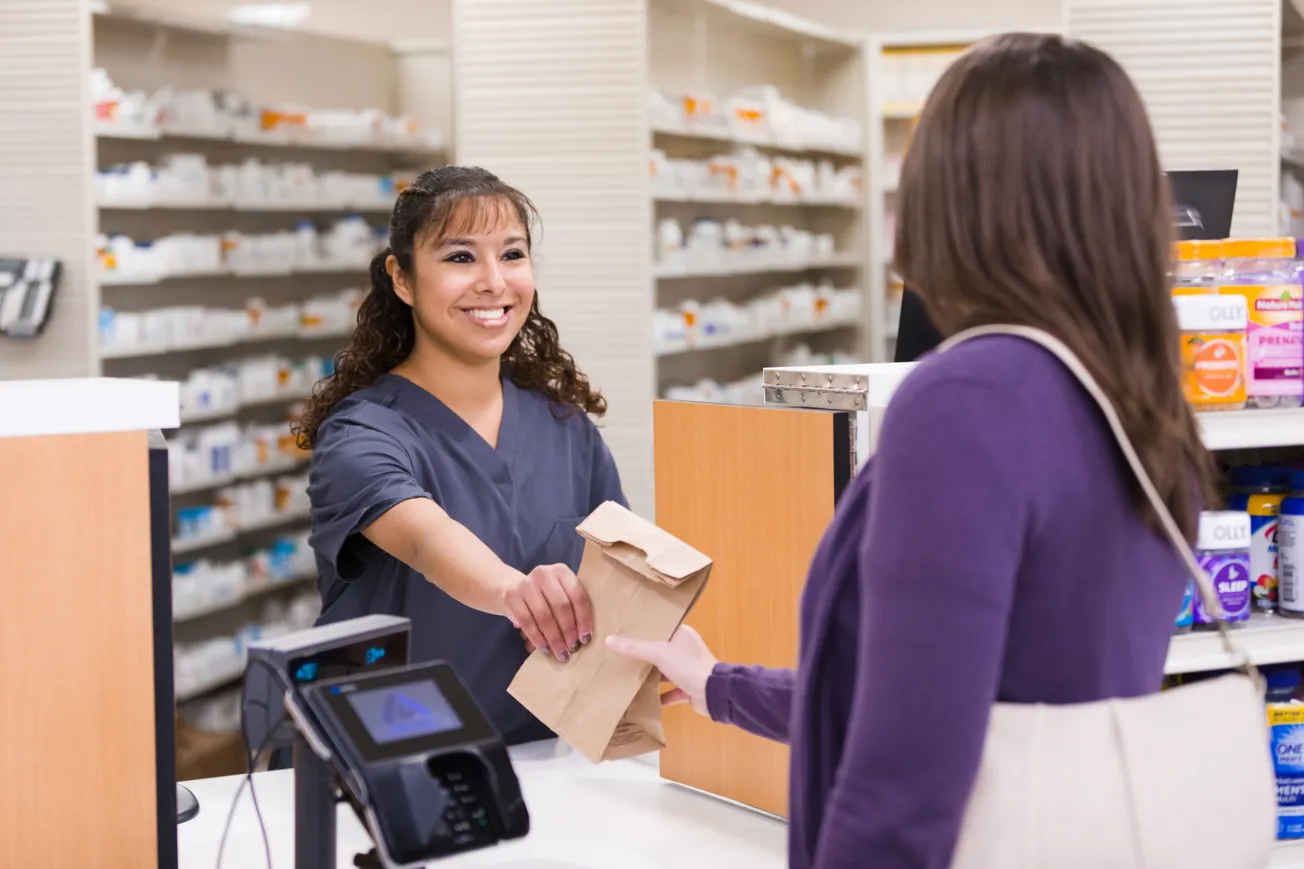
Over the past few years, supermarket pharmacies have taken market share from drug stores by leveraging increased customer traffic, convenient locations, and the ability to offer a more holistic health and wellness experience. With integrating and promoting special services such as in-store health kiosks, telehealth options, nutritional guidance and immunization programs, supermarkets have become health destinations rather than just places to pick up a prescription. This is particularly effective because supermarkets have higher customer shopping frequency compared to drug stores, providing more opportunities to offer health care services and products.
“Supermarket pharmacies provide a uniquely convenient and accessible point of care, enabling families to fill prescriptions, receive vaccinations and consult with trusted health professionals in the same location where they shop for groceries,” said Peter Matz, director of food, pharmacy and health policy at FMI – The Food Industry Association. “Unfortunately, these community pharmacies are increasingly at risk due to pharmacy benefit manager practices that raise costs for patients while reimbursing pharmacies at unsustainable levels,” he added.
Matz noted that FMI member pharmacies are filling more prescriptions than ever, yet nearly three-quarters reported reduced profitability in 2025. “Seventy percent have been forced to close pharmacy locations in the past two years, and more than a third are at risk of additional closures within the next two. Without meaningful PBM reform, patient access to supermarket pharmacies — particularly in underserved communities — will be severely diminished.”
He pointed out that Congress has shown strong bipartisan recognition that PBM reform is urgently needed. “Enacting these reforms will help ensure fair reimbursement, increase transparency and direct savings to patients at the pharmacy counter rather than PBM bottom lines. This is one of the few health care priorities with broad bipartisan support, and FMI will continue working with policy makers to seize this momentum and protect supermarket pharmacies.”
A number of recent studies show customers are increasingly preferring supermarkets over traditional chain drug stores for filling prescriptions. While supermarkets do not fill the largest percentage of all retail prescriptions, they are gaining customer satisfaction and market share due to superior service.
According to a recent J.D. Power study, supermarkets and mass merchandisers are outperforming drug stores in a number of key areas of the customer experience, including convenience and satisfaction.
Grocery chains continue to take a different approach by looking beyond prescription sales to the wider benefits that a pharmacy brings to their business and the communities they serve. Many chains have found new ways of integrating their pharmacies with their food assortments and venturing into other health care services, such as nutrition, to create benefits for the store that go beyond the thin profit margins of prescriptions. Giant Eagle just announced an expansion of its pharmacies with more than 60 in-store pharmacy locations to be expanded to better serve community health needs.
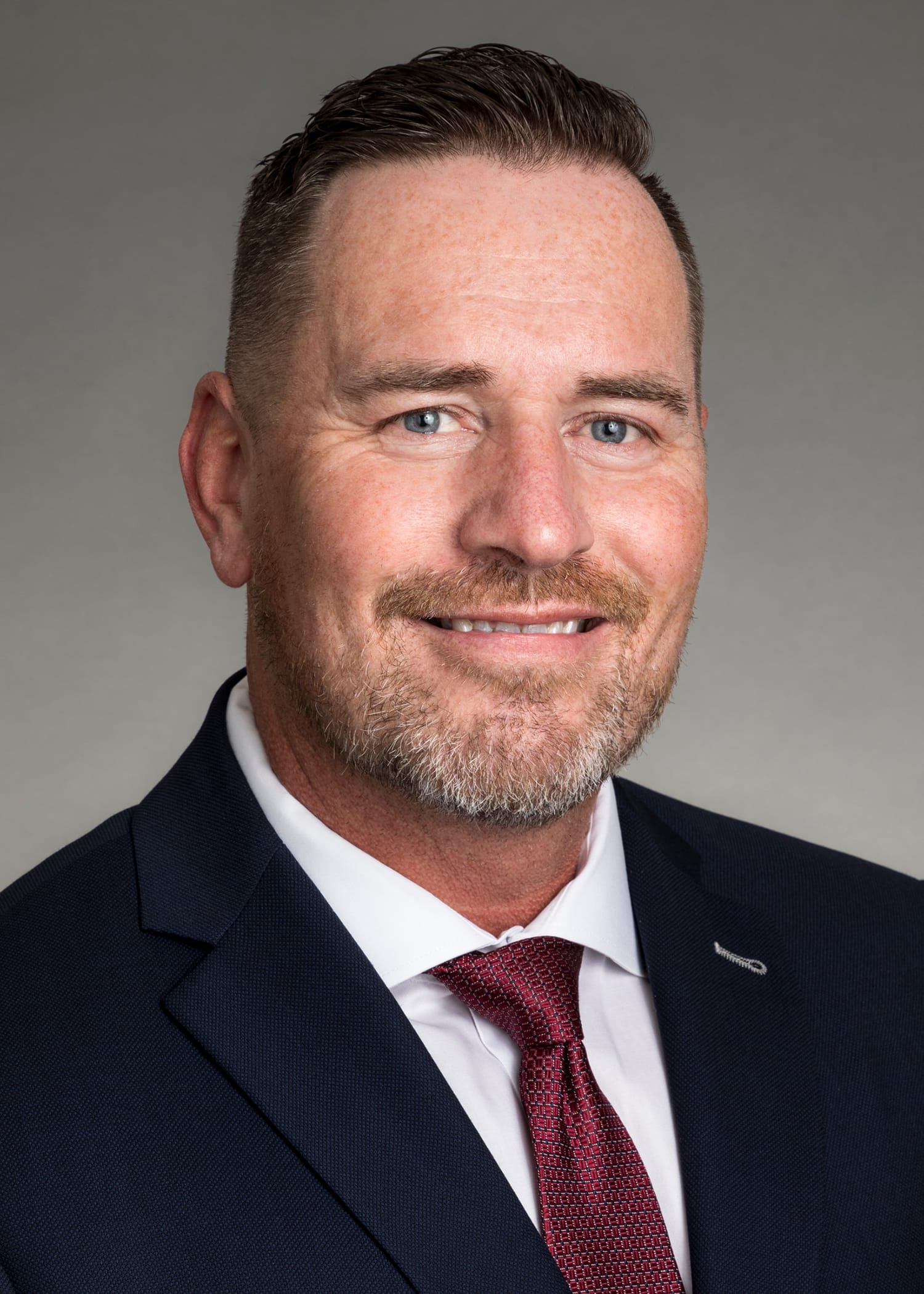
“Supermarket pharmacies are gaining market share because they serve patients at a key intersection of health and wellness. By leveraging convenience, access to fresh foods and affordable wellness services (including immunizations, health screenings and point-of-care testing), our store pharmacies can help customers integrate medication and food nutrition for better health outcomes. More people are realizing that when pharmacy and food work together, health stops being a prescription and becomes a lifestyle,” said Aaron Sapp, Wakefern’s vice president of pharmacy and wellness.
Hy-Vee continues to find new ways to connect with its communities through health and wellness. This year the grocery retailer has been focused on engaging more patients on a hyperlocal level through initiatives such as Food Is Medicine and direct primary care, which deliver more patient personalization and convenience.
“Within many of our communities, we serve not only as the local grocer but also as a trusted health advocate for our customers and pharmacy patients,” said Aaron Wiese, president of Hy-Vee. “Our latest health and wellness ventures serve as yet another way we can be there for our communities as a convenient, accessible point of care.”
In 2025 alone, Wiese and his team have been building what’s expected to be one of the most comprehensive Food Is Medicine programs in the industry by leveraging Hy-Vee’s grocery footprint with its network of pharmacies, team of registered dietitians and partnership with Soda Health to deliver personalized health and wellness benefits to consumers.
Hy-Vee rolled out two Food Is Medicine pilots with Nebraska Total Care, a managed care organization that provides health care services to Medicaid members in Nebraska.
Hy-Vee is the exclusive grocer to participate in the pilots, which will be conducted over a six-month period. The pilots are expected to evaluate health outcomes in Medicaid participants, including blood pressure, HbA1c and frequency of asthma emergencies through education, medication consistency, connection with providers and lifestyle changes.
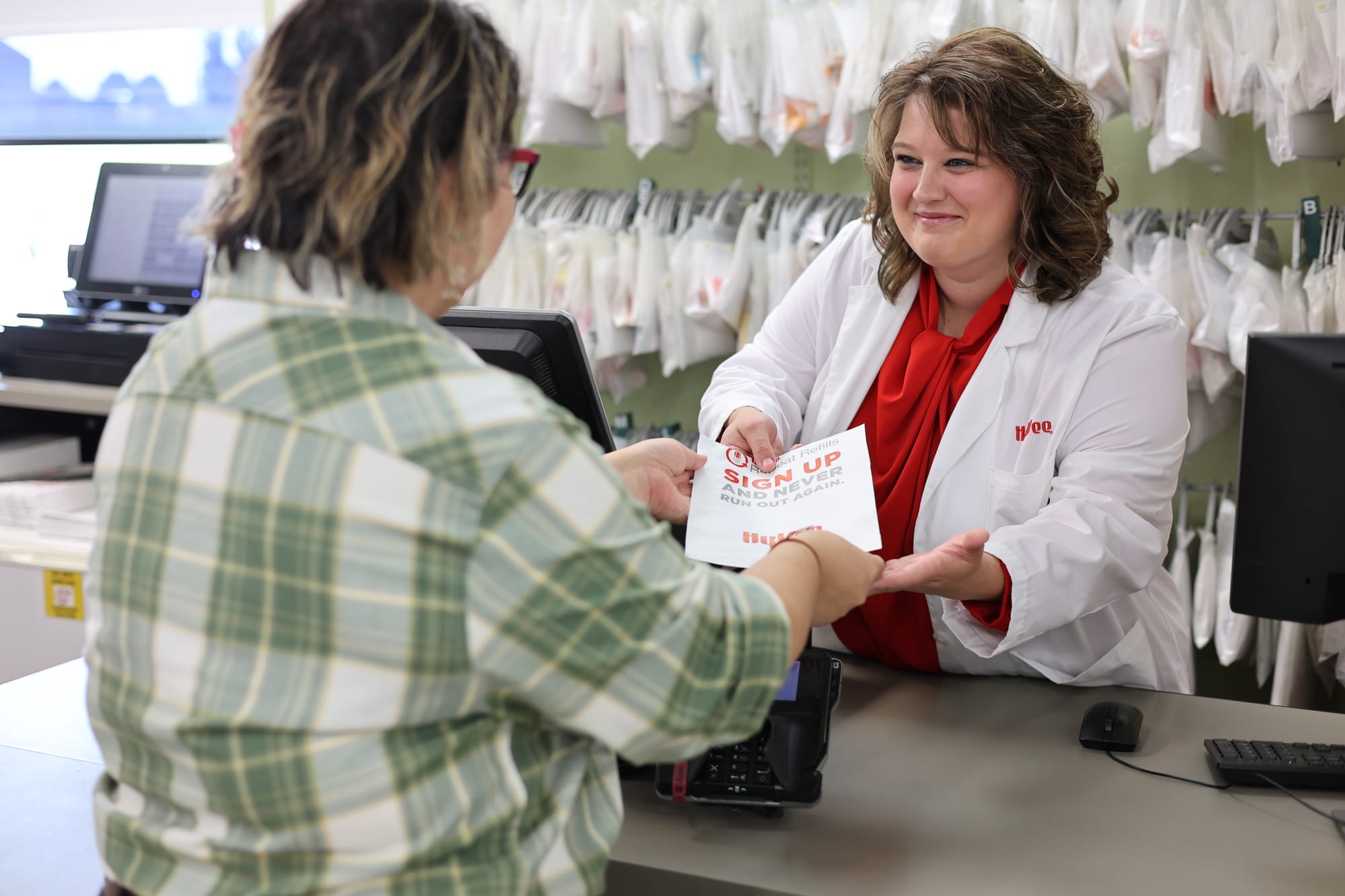
Hy-Vee is also participating in a NACDS Foundation-funded study with principal investigators from Tufts University to measure the feasibility and effectiveness of community pharmacies as the point of care for improving nutrition and health, together with two other pharmacy organizations. This study is combining several of Hy-Vee’s Food Is Medicine services, along with its role as a grocer, to reach those who are food insecure and live with conditions like type 2 diabetes or hypertension.
Albertsons’ pharmacy and health business grew 20% year over year during the first quarter, due in part to robust prescription sales and immunization growth. The company is on a mission to inspire well-being through its nationwide grocery and pharmacy network, serving millions daily both in its stores and digitally with an extensive assortment of fresh produce, dairy, bakery, seafood and meat. The chain is inspiring its customers to live a healthier lifestyle through its free Sincerely Health lifestyle and wellness digital platform.
With 2.3 million enrolled loyalty members using connected devices and digital tools, Sincerely Health is at the intersection of health and innovation supporting Albertsons customers’ complete wellness journey. Users can choose to track fitness, get personalized nutrition insights, search shoppable recipes, manage prescriptions, schedule vaccines and access personal health records — all while earning rewards that can be redeemed for grocery coupons.
While living a healthy lifestyle is important to Albertsons, so is data privacy. In recognition of its efforts to empower Americans to live healthier lives, Albertsons was the only grocery retailer to sign the Make Health Technology Great Again pledge to modernize America’s digital health infrastructure.
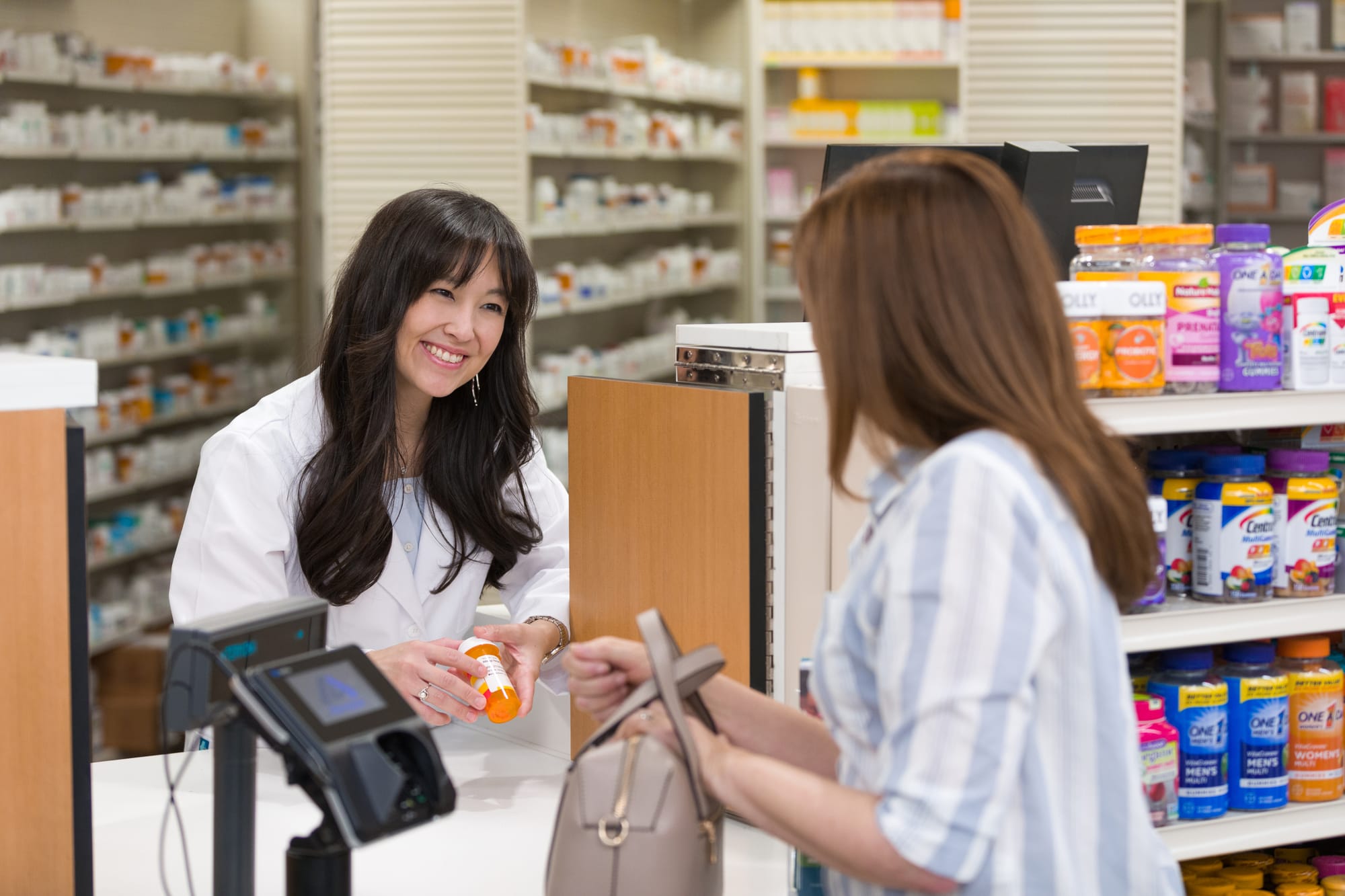
Albertsons chief executive officer Susan Morris joined executives from major health care and information technology firms including Amazon, Anthropic, Apple, Google and OpenAI at the White House to pledge the company’s commitment to diabetes and obesity prevention and management. Within the diabetes and obesity category, Albertsons joins Noom, Virta Health and Welldoc, among others.
“Inspiring well-being is part of our company’s purpose, and we believe it is for everyone, which is why we created the Sincerely Health platform with online and in-store resources to help consumers and their families eat, live and feel better, all while rewarding healthy choices,” Morris said. “We were thrilled to collaborate alongside the White House, HHS, CMS and the many great partners across the digital health ecosystem to see how technology like Sincerely Health can empower Americans to more easily manage their health and wellness. We’re eager to explore how Sincerely Health can make health and wellness management more accessible and rewarding for communities across America.”