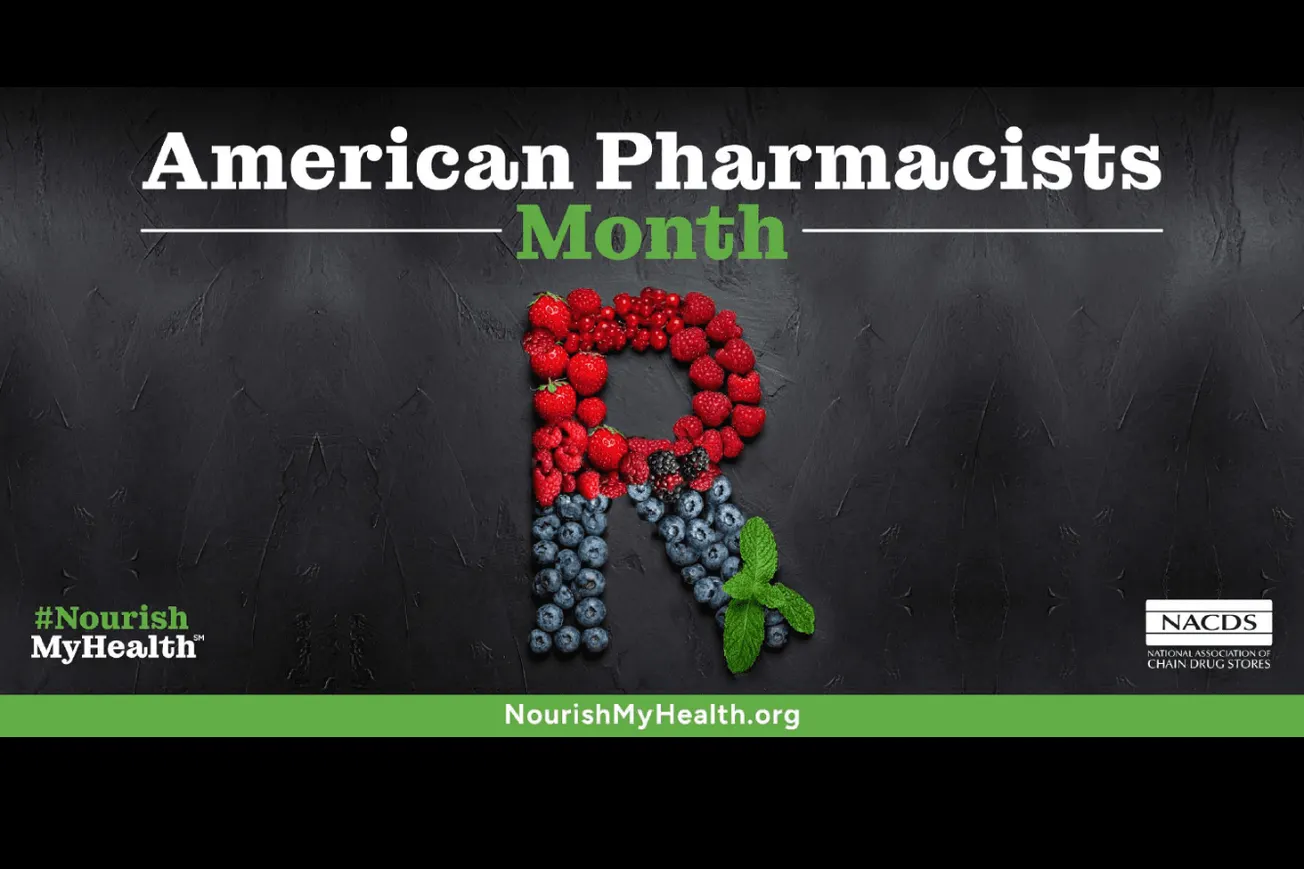
WASHINGTON — The National Association of Chain Drug Stores utilized American Pharmacists Month to emphasize the role of pharmacists in community health and to advocate for policy changes that broaden pharmacy-based care.
Throughout October, NACDS recognized more than 700,000 pharmacists, technicians, and student pharmacists working in chain and community pharmacies across the country. The association highlighted that pharmacists do much more than fill prescriptions, including administering vaccines, counseling on medications, helping with chronic disease management, and spotting potential health problems. According to NACDS, nine out of ten Americans live within five miles of a pharmacy, making pharmacists some of the most accessible healthcare providers, especially in rural and underserved areas.
“Pharmacies have always been about more than medicine; they’re about people and the communities we share,” said NACDS President and CEO Steven C. Anderson. “Pharmacists deliver trusted, timely care and serve as a pivotal bridge between patients and the broader healthcare system.”
The organization’s outreach included its Nourish My Health consumer education campaign, which collaborated with member chains to showcase pharmacy teams and raise awareness of pharmacy-based clinical services.
On Capitol Hill, longtime pharmacy advocate and pharmacist Representative Buddy Carter introduced a resolution to officially recognize October as American Pharmacists Month. In support of the resolution, Carter said the work of pharmacists is “vital to the health of not only our patients and communities, but also our entire system of care.”
NACDS also released findings from a new report developed with the Health Action Alliance. The report concluded that expanding access to pharmacy services can lower employer health costs and enhance workforce health outcomes. It urged lawmakers to eliminate barriers such as inconsistent state laws that restrict what services pharmacists can offer and outdated reimbursement rules that prevent pharmacies from being paid for clinical care.
As the month drew to a close, Anderson reiterated the association’s policy priorities, stating that action is needed to ensure pharmacies can continue expanding access to care. “By acting on these recommendations, we can keep pharmacies open, improve healthcare access, and help Americans live longer, healthier lives,” he said.
NACDS intends to continue advocating for reforms that allow pharmacists to provide more clinical services and receive reimbursement for them, establishing pharmacies as essential access points for community-based care.