WASHINGTON — Updated federal dietary guidance is starting to influence how Americans think about food, health, and grocery spending, although ongoing cost pressures still limit how much consumers can fully follow the recommended changes, according to a new analysis from Numerator.
The findings add a deeper behavioral and economic dimension to earlier research from Acosta Group, which showed high awareness and stated intent among shoppers to align with the updated food pyramid. While Acosta’s work highlighted consumer sentiment, Numerator’s analysis reveals how those intentions are influencing real-world purchasing patterns.
 CDR
CDR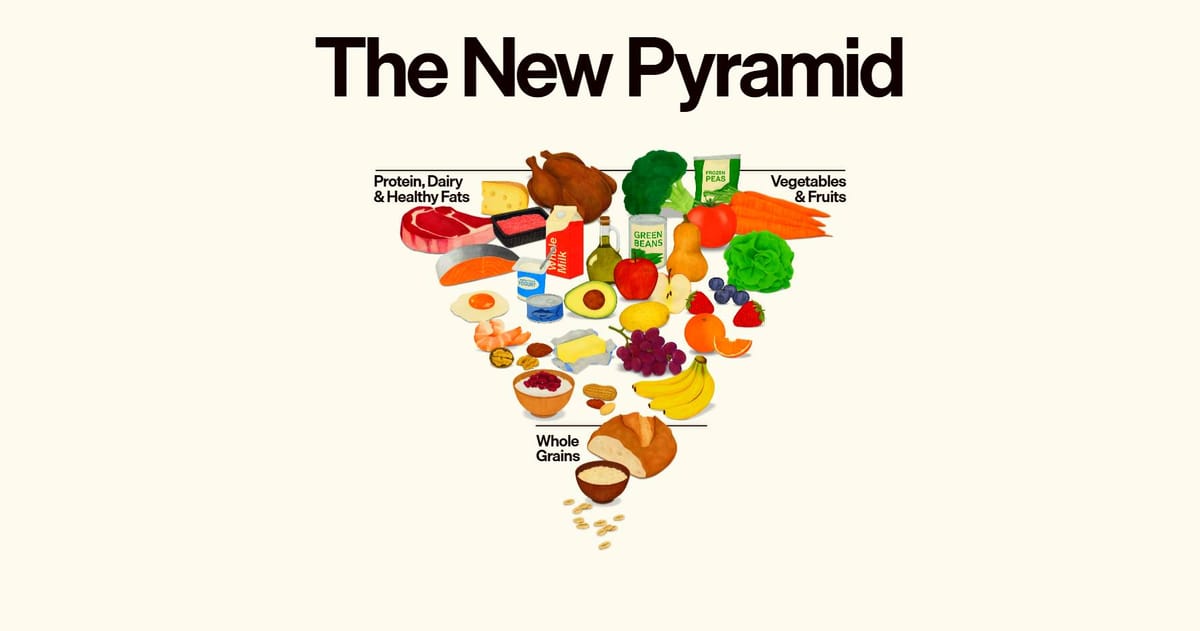
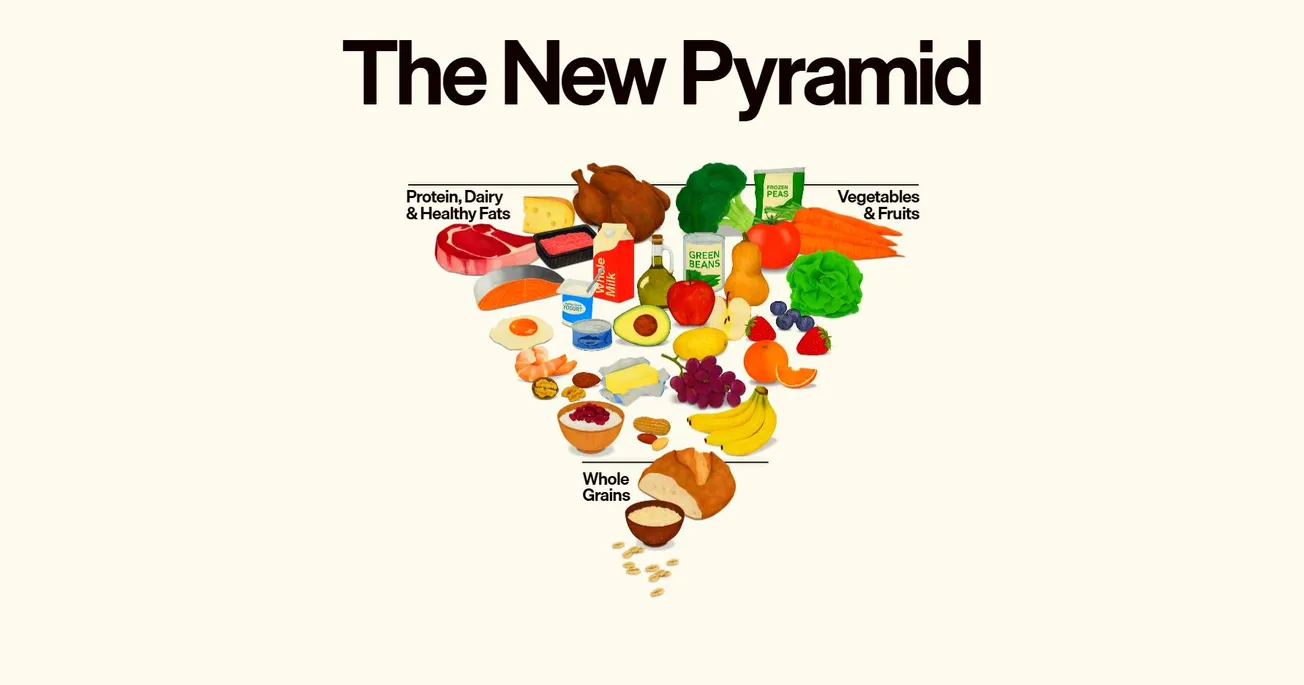
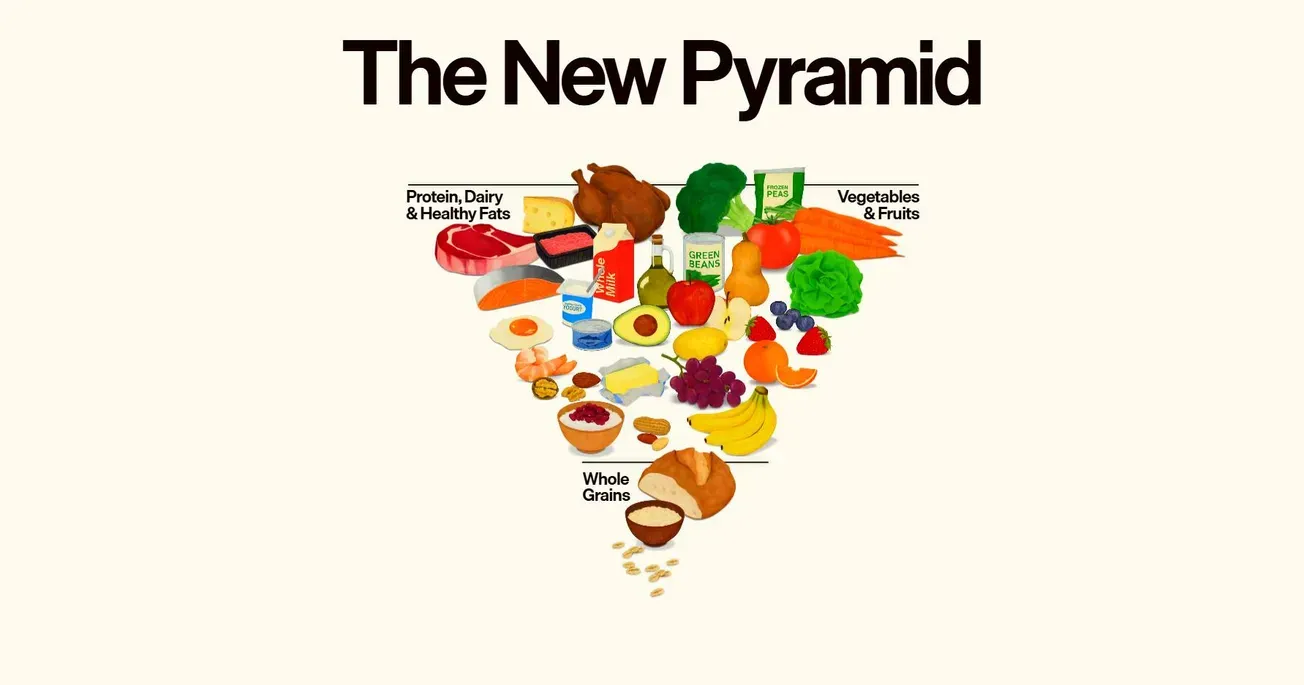
At the core of the shift is a redefinition of what “healthy eating” means. The revised pyramid shifts away from calorie-focused and low-fat approaches toward a model centered on protein-rich, nutrient-dense, and minimally processed foods. Whole foods, healthy fats, and full-fat dairy are gaining renewed acceptance, while ultra-processed products, added sugars, and refined carbohydrates are being de-emphasized.
That shift is becoming more noticeable in the store. Spending on fresh vegetables, protein, and dairy continues to grow, supporting a long-term move toward perimeter categories. As many as, Numerator notes, the trend started before the new guidelines, but the updated pyramid has confirmed and sped up consumer focus on “real food” and functional nutrition.
However, behavior remains complex and often contradictory.
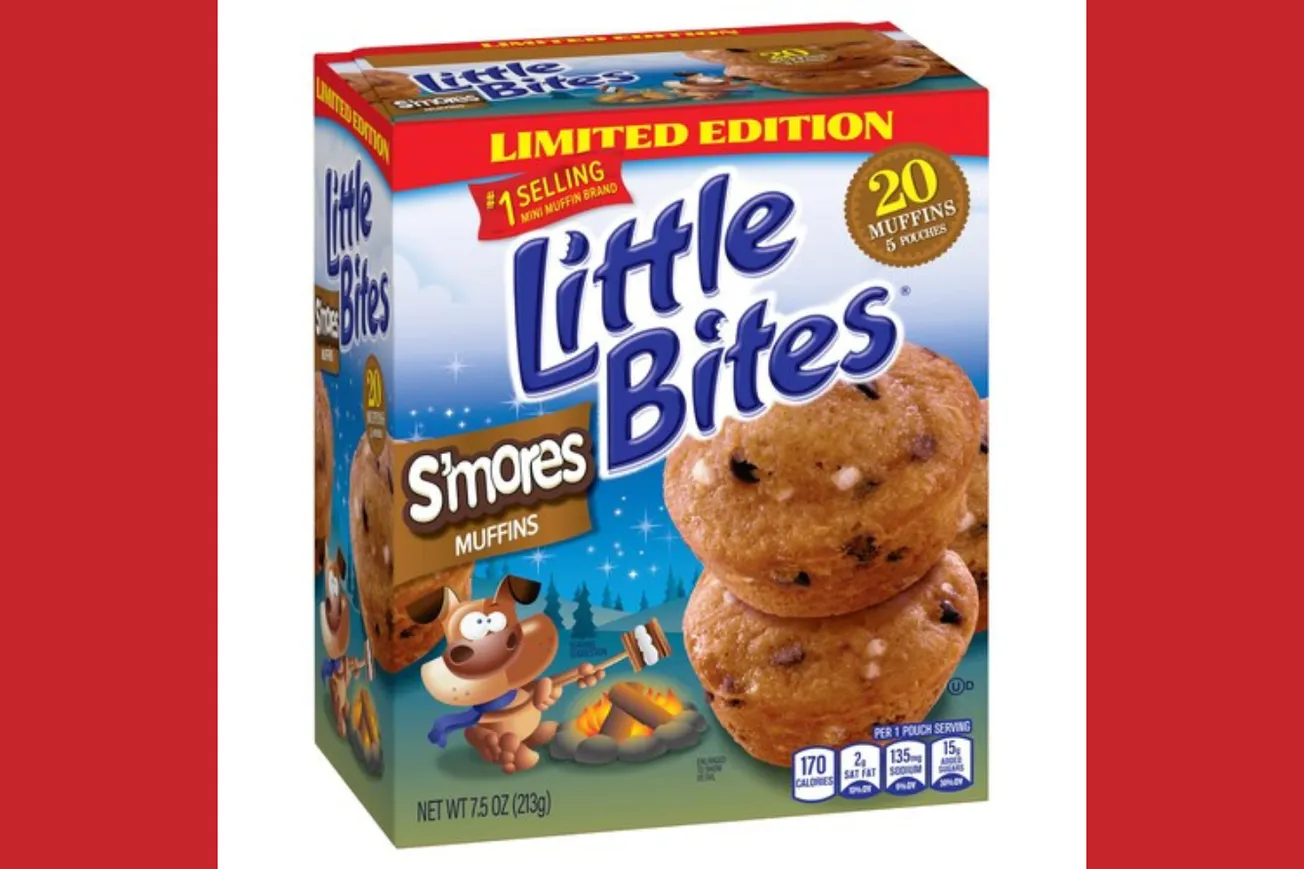
Although many consumers say they are reducing ultra-processed foods and sugary products, actual purchase data shows spending in these categories still goes up year after year. Instead of totally changing their habits, shoppers are adding healthier options to their routines, creating baskets that mix protein-rich items with indulgent treats.
This dynamic affects health outcomes. The ongoing presence of nutrient-dense and ultra-processed foods indicates that although awareness of healthier eating is increasing, lasting dietary change remains inconsistent.
Affordability is becoming the biggest barrier to wider adoption.
Numerator estimates that if households fully adopt the new dietary guidelines, grocery spending would rise by about $1,012 annually, mainly due to higher costs for fresh and protein-rich foods. Monthly, this amounts to roughly a 32% increase in food expenses per person, emphasizing the financial challenge within the recommendations.
Almost half of consumers say price is the main reason their current shopping habits don't follow the updated guidance. The burden isn't shared equally. Larger households and middle-income consumers depend more on center-store products for affordability and convenience, while higher-income households are better able to shift to fresh, perimeter categories.
At the same time, awareness of the new pyramid remains low. Numerator data shows only about two in five Americans currently recognize the updated guidance as the standard, indicating there is still significant room for behavioral change as education improves.
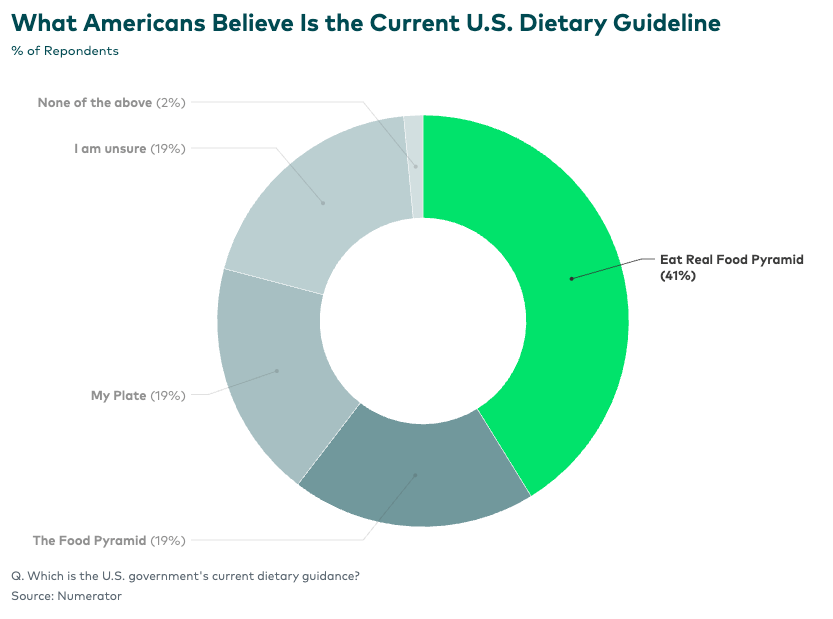
Trust also influences behavior. Fewer than four in 10 consumers say they trust government nutrition guidance, yet those with lower trust levels tend to already be shifting spending toward fresh and minimally processed foods. This shows that the overall trend toward protein, produce, and cleaner-label products is driven as much by cultural and lifestyle factors as by formal policy.
For healthcare stakeholders, retailers, and suppliers, the findings emphasize both the opportunity and the challenge associated with “food as medicine” initiatives. Demand for nutrient-dense foods is increasing, but expanding these benefits across populations will require addressing cost barriers, improving product transparency, and meeting consumers where they shop.
Clearer labeling and in-store guidance could also be important. About one in five consumers say better packaging information would help them match their purchases with the new recommendations, especially among younger shoppers seeking more transparent health cues.
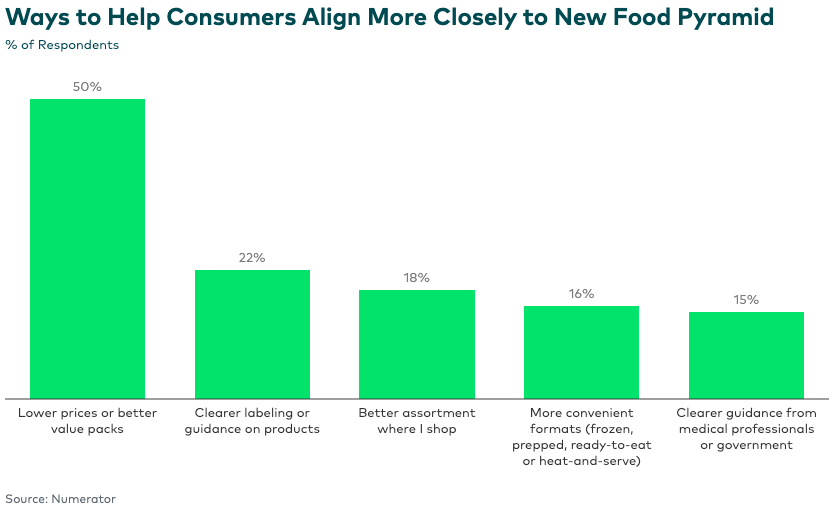
Overall, the Numerator analysis indicates the updated food pyramid is affecting consumer behavior in significant ways, but not equally. The next stage of impact will rely less on awareness or intention and more on the industry’s ability to bridge the gap between what consumers think is healthy and what they can realistically afford to buy.
Submit Your Press Release
Have news to share? Send us your press releases and announcements.
Send Press Release