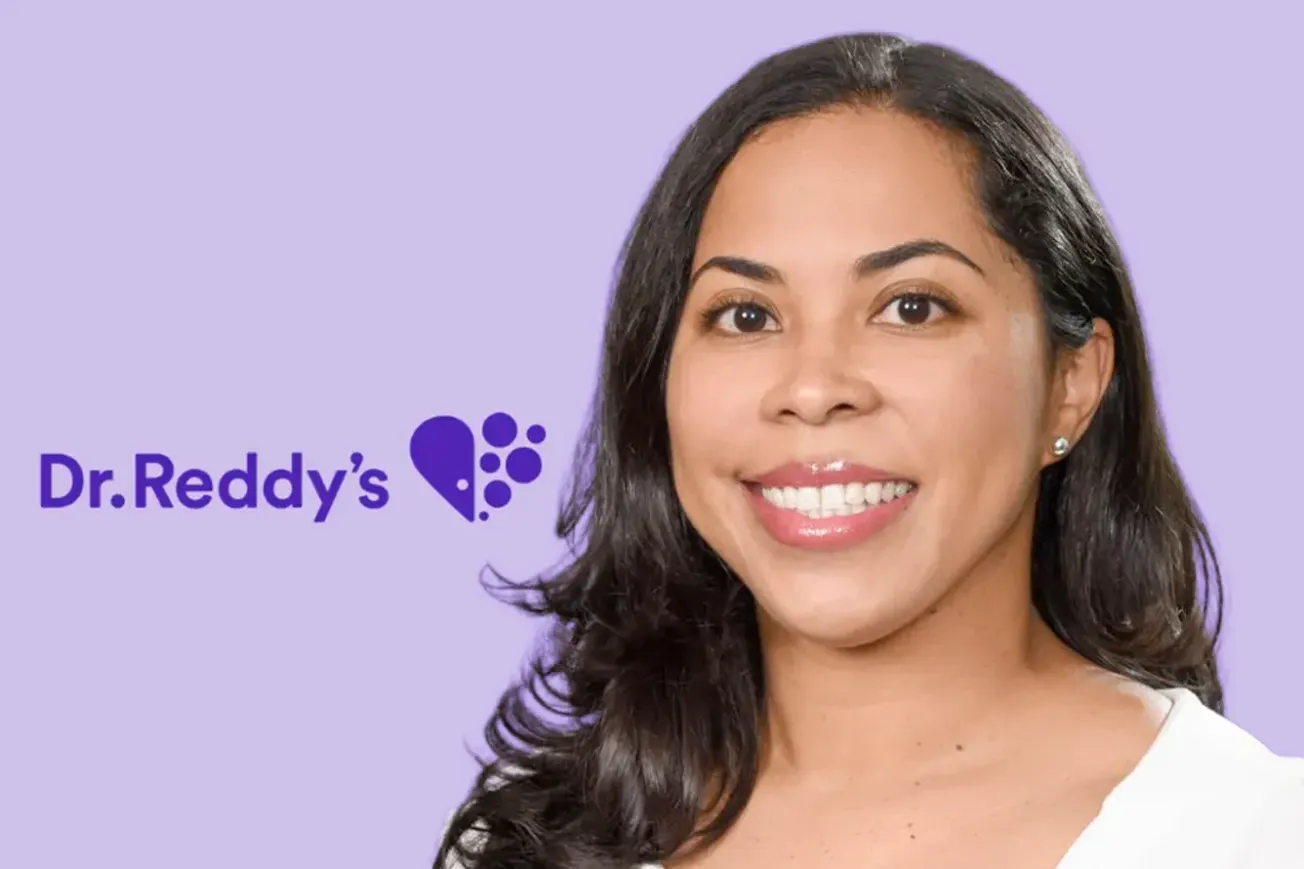
Ana Archbold is the strategy and innovation leader for the self-care and wellness group at Dr. Reddy's Laboratories, including MenoLabs. She spoke with Chain Drug Review about opportunities in women's health and the evolution of Dr. Reddy's women's wellness priorities.
CDR: What do you see as the most significant unmet needs in women's health today, and where do you believe the healthcare industry can make the greatest difference?
ARCHBOLD: Women's health has historically been underserved, particularly in areas like menopause, reproductive health and chronic pain. As a result, many women find themselves piecing together answers from multiple providers, online communities and their own research before getting meaningful support.
One of the biggest opportunities is to make candid, informed conversations about women’s health part of everyday healthcare. This will help women feel empowered to seek care earlier and more confidently. At MenoLabs, we are moving that conversation forward through MenoLabs Live on Instagram and YouTube, where experts and women come together for open discussions about health and wellness.
The healthcare industry can make the greatest impact by listening more closely to women’s lived experiences for practical, evidence-based and accessible solutions. Breakthrough innovation matters, but so does making solutions easier to discover, understand and use.
CDR: Women's health has historically received less attention and investment than many other therapeutic areas. Do you think that is changing, and what is driving the increased focus?
ARCHBOLD: Yes. Women are advocating more actively for their healthcare needs, particularly in areas such as menopause, fertility, and preventive health. Technology has given women new ways to share experiences, access credible information and learn from both experts and one another. They are learning from each other as well as experts. More women are also helping set the agenda as physicians, researchers, entrepreneurs and healthcare leaders. They are not just participating in the conversation. They are changing it.
The industry is also recognizing that women’s health is not niche. When women are healthier, the effects extend to families, workplaces and communities. At Dr. Reddy’s, we see women’s wellness as both an urgent unmet need and an important frontier for innovation.
CDR: What are the major priorities for Dr. Reddy’s’ women's wellness business, and how have these priorities evolved in recent years?
ARCHBOLD: Our priority is helping women take a more proactive role in managing their health.
Our thinking has evolved beyond individual products. We consider the full experience around a health need: Is the science credible? Is the solution accessible? Does a woman understand her options? Does she feel seen and supported? MenoLabs brings that philosophy to life. We are combining science-backed products with education, community and a deeper understanding of what women experience during menopause. Dr. Reddy’s brings the scientific discipline, quality standards and scale to expand that impact.
Our focus is on helping women access trusted, high-quality healthcare solutions across multiple stages of life. We are committed to expanding access, improving affordability, and addressing health needs that have historically lacked sufficient attention.
In recent years, we've also placed greater emphasis on wellness and self-care, recognizing that women increasingly seek proactive ways to manage their health. Our approach has evolved to support both treatment and everyday well-being, while continuing to prioritize quality, accessibility, and patient needs.
CDR: How do women's healthcare needs change at different stages of life, and how does that influence the way you think about developing and providing treatments?
ARCHBOLD: Women’s healthcare needs change dramatically over a lifetime. What strikes me is that women are expected to connect the dots themselves. Too often, healthcare is organized around individual symptoms or life events rather than helping women understand what is happening across the broader arc of their health. We see a role for our brands to help women better understand their bodies, anticipate changes and understand options.
CDR: Access and affordability remain significant healthcare challenges. What can companies do to make women's health treatments more accessible to a broader population?
ARCHBOLD: One reality we need to acknowledge is that women are often managing careers, families, caregiving responsibilities and their own health at the same time. Healthcare solutions must fit into real life. That means making products affordable, but also making them easier to find, easier to understand and easier to access. Telehealth, retail healthcare, O-T-C products and evidence-based supplements all have a role to play in expanding access. The more we can reduce friction in the journey, the more women we can help.
CDR: Are there particular areas of women's health — such as reproductive health, menopause, maternal health or other conditions — that you believe are especially ripe for innovation over the next several years?
ARCHBOLD: We are only beginning to understand the broader role hormonal and ovarian health may play across a woman’s lifetime, well beyond menstruation and perimenopause. There is emerging data about how ovarian health is linked to overall health and longevity. As this science continues to emerge, we are going to see an emphasis on hormone tracking and monitoring the ovarian health system.
CDR: Looking ahead five years, what changes or advances in women's health would you most like to see, and what role do you see Dr. Reddy's playing in that future?
ARCHBOLD: At Dr. Reddy’s, we want to accelerate that shift by combining scientific rigor with a deep understanding of how women want to manage their health. Through innovative products, credible education and brands like MenoLabs that are reshaping the menopause conversation, our ambition is not simply to participate in women’s wellness. It is to help move the category forward.
CDR: What are some of the biggest misconceptions or gaps in awareness surrounding women's health today, and how can the healthcare industry do a better job of addressing them?
ARCHBOLD: One of the biggest misconceptions in women’s health is that discomfort is simply part of being a woman. From the onset of menstruation through menopause and beyond, many women are conditioned to believe that symptoms should simply be tolerated. Women experience delayed diagnosis, limited treatment options, and significant gaps in education about what is “normal” versus what requires medical attention.
As a result, women often live with concerns that may be manageable or treatable for longer than necessary.
The industry has an opportunity to change that. We need more education, more listening and more candid conversations about what women are experiencing. When women have access to credible information and feel empowered to advocate for themselves, better health outcomes will follow.
Submit Your Press Release
Have news to share? Send us your press releases and announcements.
Send Press Release