BURLINGAME, Calif. — The global remote patient monitoring (RPM) devices market is forecast to expand from $14.34 billion in 2025 to $40.30 billion by 2032, growing at a compound annual rate of 15.9%, according to a new analysis from Coherent Market Insights. The surge is being driven by rising chronic disease prevalence, an aging population, and the shift toward cost-effective, home-based healthcare.
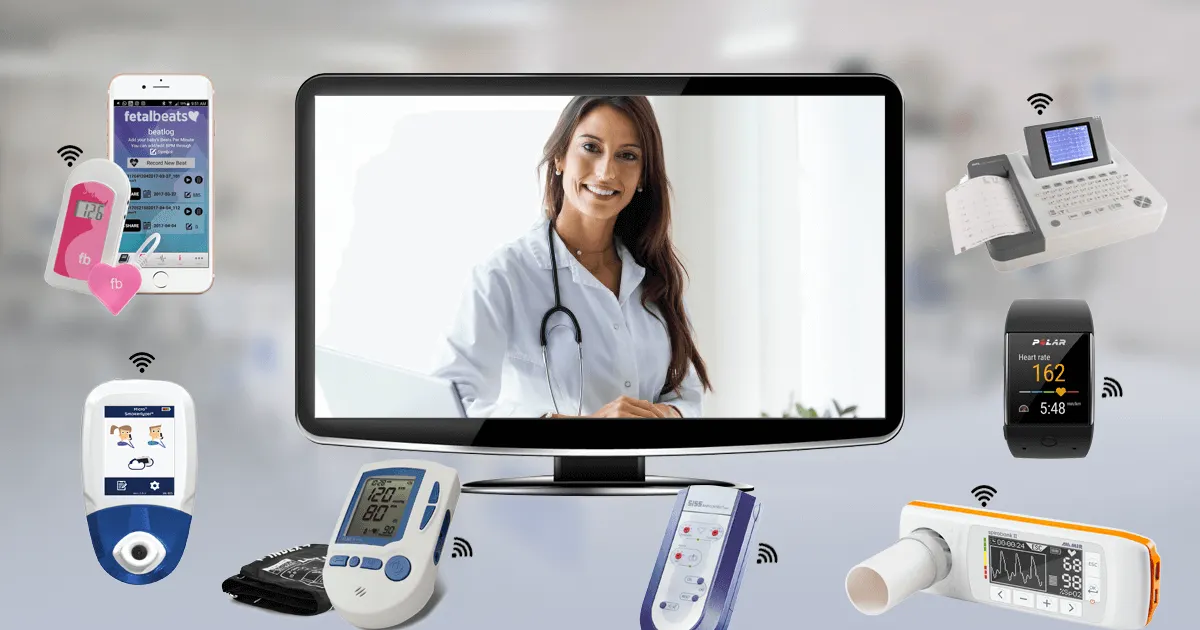
RPM devices enable clinicians to track patients’ vital signs, such as blood pressure, glucose levels, heart rate, and oxygen saturation, outside of traditional clinical settings. By enabling early intervention and continuous oversight, these technologies can enhance patient outcomes, decrease readmissions, and lower overall healthcare costs.
Chronic Disease Management at the Forefront
CMI projects that diabetes monitoring will account for 27.3% of the market in 2025, reflecting the urgent need to manage conditions that require ongoing oversight. With the International Diabetes Federation estimating 853 million adults worldwide will be living with diabetes by 2050, demand for connected glucose monitors and other condition-specific RPM tools is expected to surge.
Home Health Rising as Key End-User Segment
Home healthcare settings are projected to account for nearly one-third of RPM device demand in 2025, supported by reimbursement expansions from the U.S. Centers for Medicare & Medicaid Services for both remote patient monitoring and remote therapeutic monitoring. North America is expected to continue leading the market with a 44.1% share, while the Asia Pacific is poised for the fastest growth.
Technology Driving Care Transformation
Artificial Intelligence is enhancing RPM systems from reactive tracking tools to proactive, predictive care platforms. AI-powered analytics enable real-time alerts, risk assessments, and automated care recommendations, empowering care teams to intervene before patient deterioration occurs. Integration with telehealth platforms and EHR systems is further improving efficiency and patient engagement.
Industry Momentum and Innovation
Recent product launches and partnerships are expanding the scope and reliability of RPM technologies:
- Pylo Health introduced LTE-enabled weight scales and blood pressure monitors with enhanced connectivity.
- Philips Healthcare partnered with smartQare to integrate its viQtor continuous monitoring system with Philips’ clinical platforms.
- Dräger launched the Vista 300 patient monitoring system in India to improve cross-departmental information flow.
Opportunities and Barriers
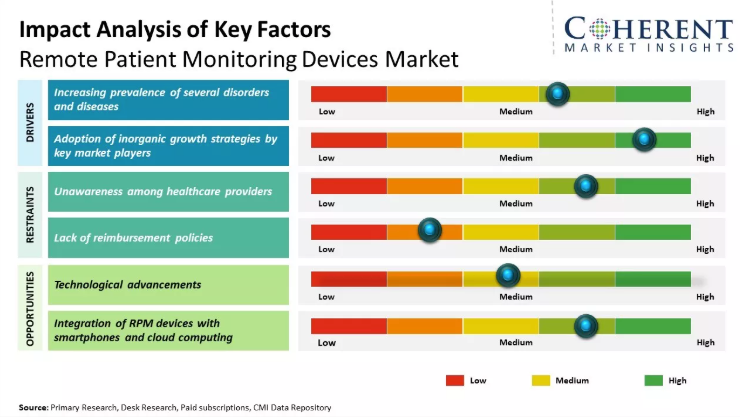
While adoption is accelerating, high device costs and persistent concerns over patient data security could limit uptake, particularly among smaller providers. Industry experts note that as devices become more affordable and cybersecurity safeguards improve, RPM integration into chronic care pathways will likely become standard practice.
With continuous advancements in wearables, biosensors, and AI-driven analytics, healthcare and pharmacy providers are well-positioned to leverage RPM solutions as part of broader digital health strategies, enhancing both patient experience and operational efficiency.