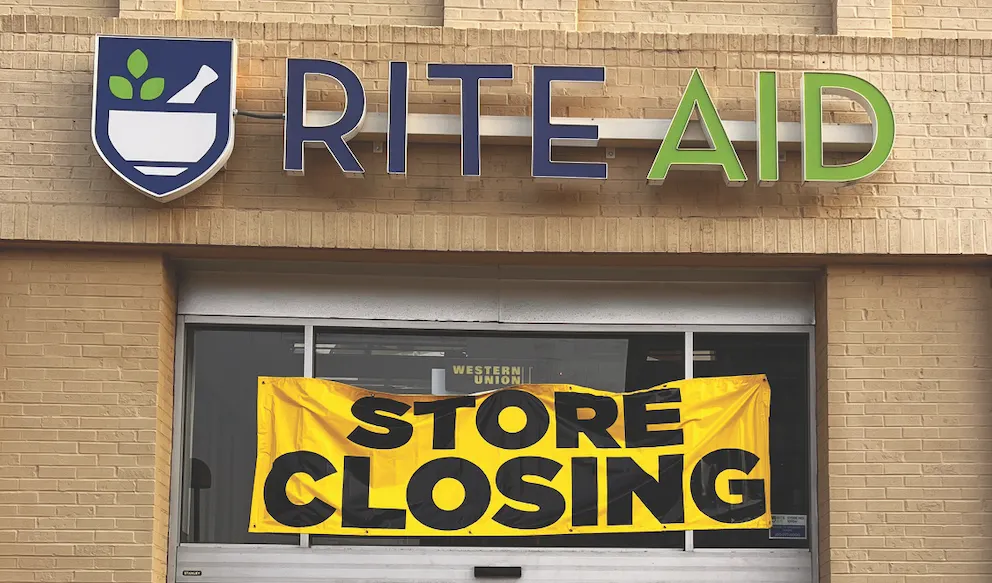
NEW YORK — The closure of 1,260 Rite Aid stores last year created expectations of a demand hand-off to CVS and Walgreens, but new Coresight Research suggests the opportunity was more limited than anticipated.
CVS holds a slight proximity advantage, with about 2% more stores within three miles of a closed Rite Aid location than Walgreens. However, neither chain has strong prominence in these neighborhoods, with only 12% of CVS stores and 10% of Walgreens locations falling within that radius.
This points to a lack of a clear successor to Rite Aid. With large areas of former Rite Aid markets left uncovered, questions remain around where pharmacy demand will flow next.
Looking at stores that are even closer to shuttered Rite Aid outlets, CVS has 406 within one mile of a Rite Aid store that closed in 2025; that is 5.8% of CVS’ total estate. Walgreens has 354 stores, or 4.5% of all of its stores, within a mile of a shuttered Rite Aid.
“Consolidation is clear in terms of the number of companies as well as the number of stores — there is now just one public drug store company in our ranking of the biggest drug and pharmacy chains, with nonspecialists such as mass merchandisers and grocery retailers occupying leading positions alongside CVS Health and Walgreen Co.,” says the report.
At the same time, store contractions continue among the remaining players, with Walgreens expected to close approximately 350 more stores this year. With CVS and Walgreens having some 15,000 outlets combined, there remains the likelihood of a further retrenchment in the coming years, Coresight adds.
The company’s new Store Intelligence Platform identified July as the peak for Rite Aid closures in 2025, with an 849-store reduction that month. Rite Aid, CVS and Walgreens closed a combined 1,970 stores (gross) last year, “representing a literal decimation of the sector (~10% reduction),” says the report. CVS and Walgreens ended the year with a combined 14,994 stores.
The number of competitor stores in proximity to the stores that Rite Aid closed in 2025 is a good indicator of which chains could benefit from sales transfer and mop up the defunct retailer’s market share. Online sales will account for only 2.4% of drug store and pharmacy sector sales in 2026, which underlines the significance of physical proximity in capturing share, notes Coresight.
The percentage of competitor retailers’ stores in proximity to closed Rite Aid units implies the potential ballpark upper limit for uplifts in sales. That upper limit would assume roughly equivalent sales per store between Rite Aid and the surviving retailers, and full (100%) sales transfer from one Rite Aid to a rival store. In practice, that looks highly optimistic, so Coresight expects sales gains from closed stores that are a mile or less away to be lower.
Many of Rite Aid’s stores were on the West Coast and in Mid-Atlantic states, with the number of closures in Pennsylvania and California very similar. The Store Intelligence Platform indicates that a large number of Rite Aid stores were in areas that are not served by CVS or Walgreens. The cities most impacted by closures were Philadelphia and Pittsburgh.
Coresight attributes the contraction of the overall chain drug sector to a number of pressures:
• The majority of sales come from filling prescriptions; however, profits from the prescription segments have declined in recent years due to lower reimbursement rates.
• The front end — where drug chains mostly rely on discretionary purchasing — has faced weaker demand due to consumers’ cautious spending habits in response to persistent inflation concerns as well as the fading of the pandemic stimulus spending effect.
• Labor shortages have contributed to major chains’ rationalization of their store footprints. CVS and Walgreens faced labor strikes in October and November 2023, respectively, due to increased staff workloads amid labor shortages, which resulted in reduced pharmacy store hours.
The report says the drug store sector is poised to be shaped by several key trends. The most significant is the aging population, with the number of older adults steadily increasing. As this cohort grows, there will be an uptick in chronic diseases and long-term health issues, creating an increased demand for prescription medications. This demographic shift is expected to propel the need for pharmaceutical services, creating growth opportunities for drug stores that cater to the elderly, particularly in offering medications for chronic conditions like diabetes, hypertension and arthritis.
At the same time, the rise of GLP-1 weight loss medications presents a substantial revenue-generating opportunity. GLP-1 sales are expected to significantly lift the bottom lines of drug stores as they become a staple for both health care providers and patients.
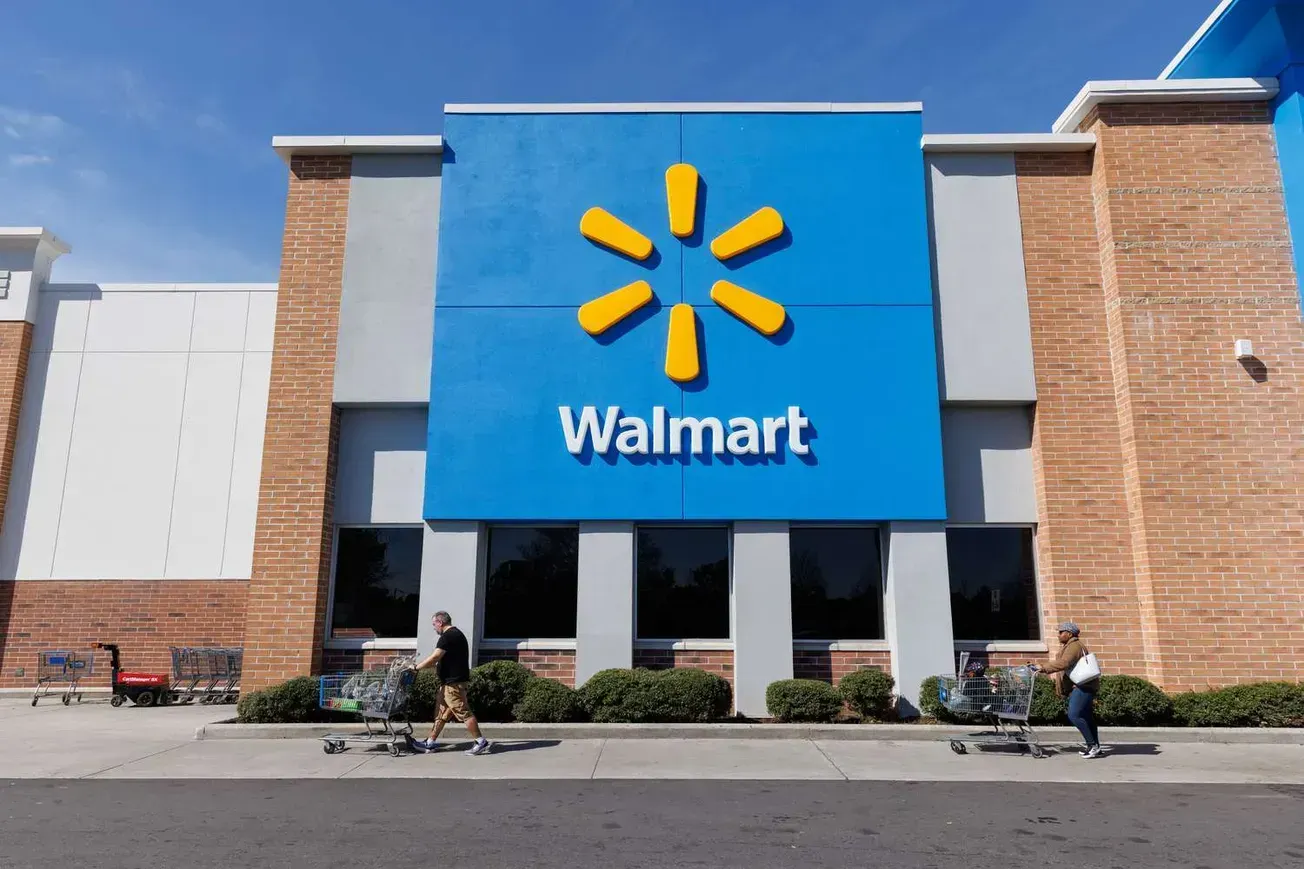
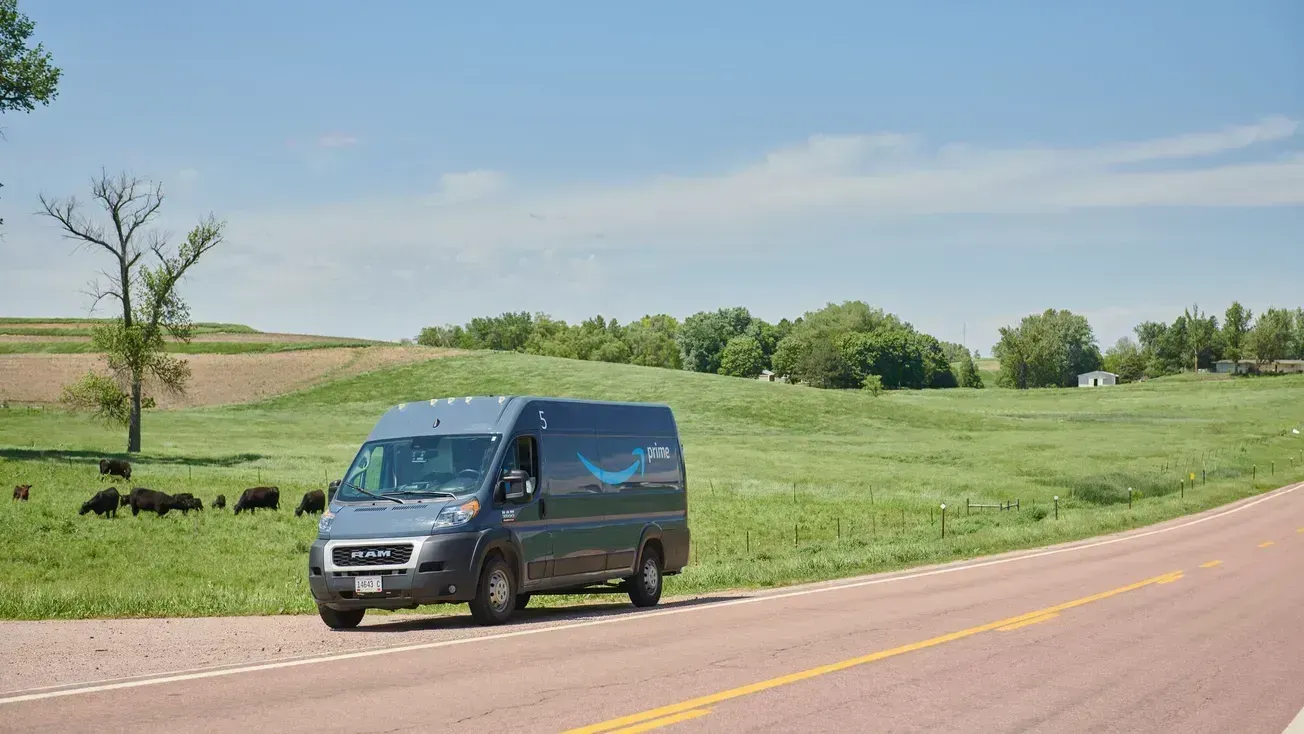
However, several challenges loom over the industry. The impact of pharmacy benefit managers on reimbursement rates continues to strain pharmacy profit margins, notwithstanding Congress’ passage of PBM reforms. Additionally, competition from alternative retail models, such as mass merchandisers (Walmart), online players (Amazon), and supermarket pharmacies (Kroger and Albertsons), is intensifying. These competitors not only offer competitive prices and a one-stop shop for all needs but are also increasingly leveraging digital platforms to capture market share from traditional drug stores.
In addition, while overall health and wellness demand remains strong, near-term macro uncertainty in early 2026 could temper discretionary spending at drug stores, particularly in premium or impulse categories. Consumers are likely to skew toward value-oriented, clinically adjacent products, even as the broader beauty market continues to grow. For drug stores to thrive in 2026, they will need to enhance their service offerings and pivot to new revenue streams, such as retail media and improved digital engagement tools.
Overall, the pharmacy sector will face a complex landscape in 2026. While demographic trends and the growing demand for GLP-1s will drive significant growth, the sector must navigate challenges like rising competition, reimbursement pressures and economic uncertainty. Pharmacies that leverage digital tools, expand into retail media, and meet consumer demands for convenience and personalized care will be the leaders in the next phase of growth. Strategic investments in these areas, coupled with a focus on the aging population, will position drug stores to capitalize on the opportunities ahead.
Submit Your Press Release
Have news to share? Send us your press releases and announcements.
Send Press Release