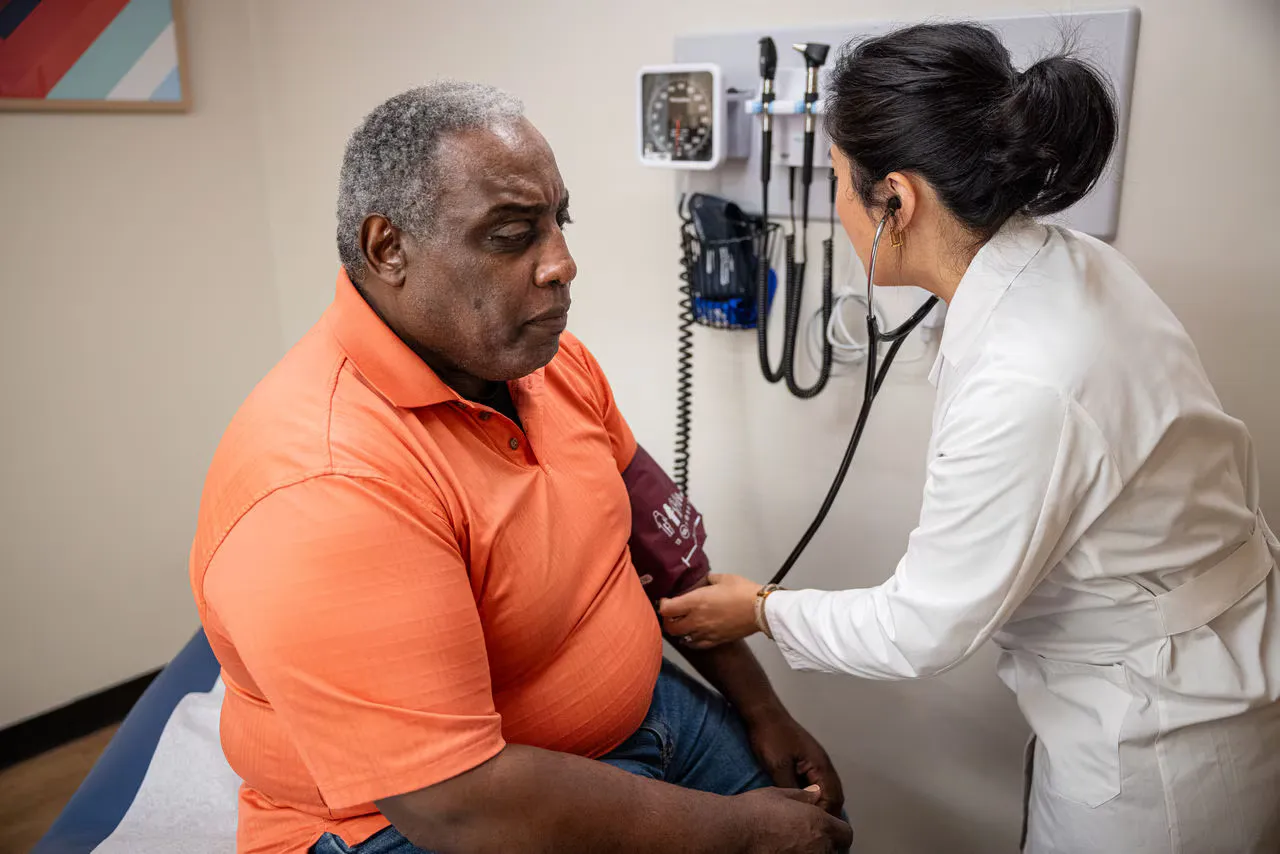
By Jorge Sahlieh
There are two critical challenges facing health care today: rising costs and a scarcity of skilled employees.
According to PwC, escalating costs driven by inflation will see overall costs rise by around 8% in 2026, while the WHO says the global shortage of skilled healthcare professionals (HCPs) estimate there may be a shortfall of 11 million health workers by 2030.
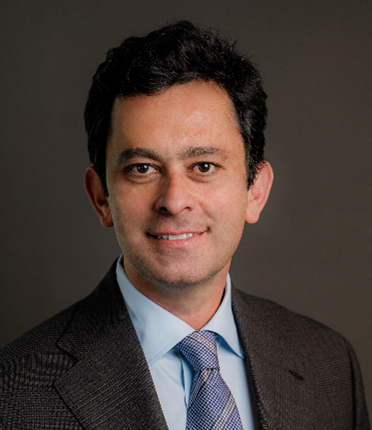
Other sectors are able to utilize traditional cost-control measures like automation or organizational restructuring but neither of these options are effective for healthcare providers, who rely heavily on highly skilled individuals.
As a result, pressure is mounting to identify new ways to reduce the cost burden and enhance productivity without compromising patient safety.
From my discussions with customers, it is clear that medical product suppliers – well-versed in a collaborative approach across the continuum of care – can play a key role in alleviating some of these pressures. Following are five ways that partnerships between medical product suppliers and healthcare providers can mitigate cost concerns while also improving support for HCPs.
- Minimize burden on HCPs by maximizing efficiencies: There needs to be a focus on delivering solutions that free up the time of HCPs. For example, smart enteral feeding systems can transmit nutritional delivery data in real time, allowing HCPs to remotely monitor the feeding status. Another example is Cardinal Health’s ValueLink®, a solution that analyzes real time product usage to ensure timely product delivery, minimizing the inventory management burden on staff. Innovations like these support patient outcomes while giving time back to HCPs so they can focus on the actual delivery of care.
- Champion global best practices: The adoption of globally recognized treatment and recovery protocols has a positive impact on cost and patient outcomes. Case in point: a recent thromboprophylaxis study showed the cost per patient could be reduced by roughly one-third and the length of hospital stays decreased by utilizing the latest venous thromboembolism protocols. It’s in our collective best interest to advocate for and facilitate the implementation of these evidence-based practices.
- Extend care to the home: Managing hospital capacity is vital to cost management, but healthcare delivery doesn’t need to be limited to an acute care facility. By partnering with HCPs to reduce the complexities of managing patient care at home through technology and intelligent logistics management, we can bring hospital-level services to patients' homes. In the U.S., services like Velocare are already transforming how this care is delivered.
- Optimize procurement through standardization: Strategic product standardization offers a powerful mechanism for reducing costs by standardizing product utilization, improving supply chain management, and alleviating administrative burdens. By thinking holistically about procurement, we can unlock significant efficiencies and savings for healthcare providers.
- Embrace sustainability and cost savings through reprocessing: Single-use medical product reprocessing presents a compelling opportunity to extend the life of medical devices, reduce waste and lower waste management costs. This not only supports health systems in achieving their financial goals but also aligns with broader industry sustainability initiatives.
The financial challenges facing healthcare providers are complex and no single entity can solve them alone. Innovation, championing best practices, and forging strategic partnerships will enable us to support healthcare providers in surmounting these economic challenges, while also delivering better outcomes and greater value in healthcare.
Jorge Sahlieh is President of International Medical Products and Distribution for Cardinal Health’s Global Medical Products and Distribution segment. He oversees all commercial activities across Cardinal Health’s International footprint (Asia, Africa, Canada, Europe, Japan, Latin America and the Middle East) and is based in the United Kingdom. Jorge has a bachelor’s degree in civil construction from Pontificia Universidad Catolica in Chile. He also holds a master’s degree in international management from King’s College, University of London.
Submit Your Press Release
Have news to share? Send us your press releases and announcements.
Send Press Release