
NCPA launches national ad campaign to promote independent pharmacies
Multi-media blitz emphasizes how big chain drugstores and mail-order operations treat customers like a number rather than a neighbor.
Multi-media blitz emphasizes how big chain drugstores and mail-order operations treat customers like a number rather than a neighbor.
Current system reduces access to pharmacies, increases costs, stifles competition.
Tables begin to turn on PBM after years of squeezing consumers, employers, and independent pharmacies.

Pharmacy organizations are urging lawmakers to act quickly and send the legislation to the White House.
Urges swift progress to President’s desk.

By Doug Hoey, CEO, National Community Pharmacists Association

“We’re glad to have him on our team,” says NCPA CEO.
Wide bipartisan support means no more excuses, says NCPA.

The case revolves around a state law (Act 624) passed earlier this year blocking PBMs in Arkansas from also operating pharmacies in the state.
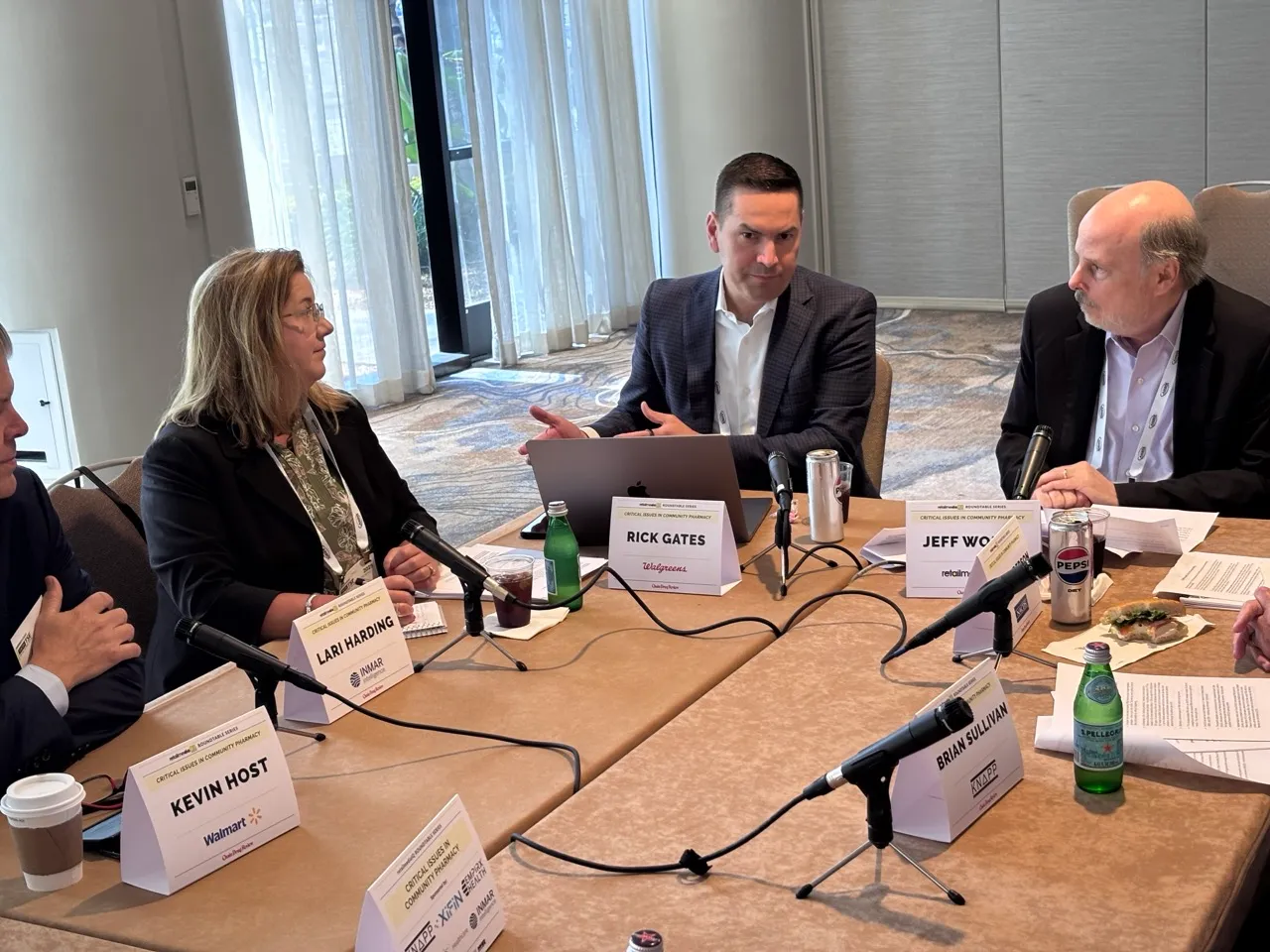
There are many headwinds for the industry, starting with reimbursement pressure, but also extensive opportunities for collectively modernizing approaches to elevate the role of the pharmacist.
The free, application-based program addresses the growing shortage of pharmacies in rural communities by reducing barriers to ownership and providing aspiring pharmacy owners with the knowledge, resources, and professional connections needed to turn their vision into reality.

The NCPA Digest, which provides an annual overview of independent community pharmacy, found that the industry represents nearly 36 percent of all retail pharmacies in the United States.
The business plan competition is the first national competition of its kind in the pharmacy profession.
The award, which is sponsored this year by CPA, was presented as part of NCPA’s Annual Convention, being held Oct. 18-21 here.
New job board and exclusive staffing pool will provide independent pharmacists and employers with expanded access to pharmacy support

The independent pharmacy groups say PBMs aren’t employee benefits plans. They’re merely administrators hired by the plans, and so they can be regulated.