

FMI report: E-commerce fueling private brand growth and innovation
In 2024, private brand online sales grew 5.2%, making up 9.3% of private brand sales.
In 2024, private brand online sales grew 5.2%, making up 9.3% of private brand sales.


The survey showed a rise in consumer references to inflation and tariffs, underscoring persistent anxiety over household budgets.

Gen Z has grown far less likely to see tariffs as beneficial for the economy or their personal finances, according to the August survey.

While the Asia-Pacific region is expected to be the fastest-growing, North America remains a key and profitable market.

For grocers, the trend underscores the demand for fresh, healthy, and convenient products that support both physical and mental well-being.

With the U.S. supplement market continuing to expand, manufacturers are under increasing pressure to substantiate claims.

New policy changes have contributed to increased confusion, lower member satisfaction and a widespread lack of trust among Medicare Advantage plan members.

“Americans aren't pulling back yet, but tariffs have the potential to cause consumer behaviors to shift overnight,” said Bryan Gernert, CEO of Resonate.

Report also shows widespread concerns about inflation, highlighting the need for empathetic and responsive marketing strategies.
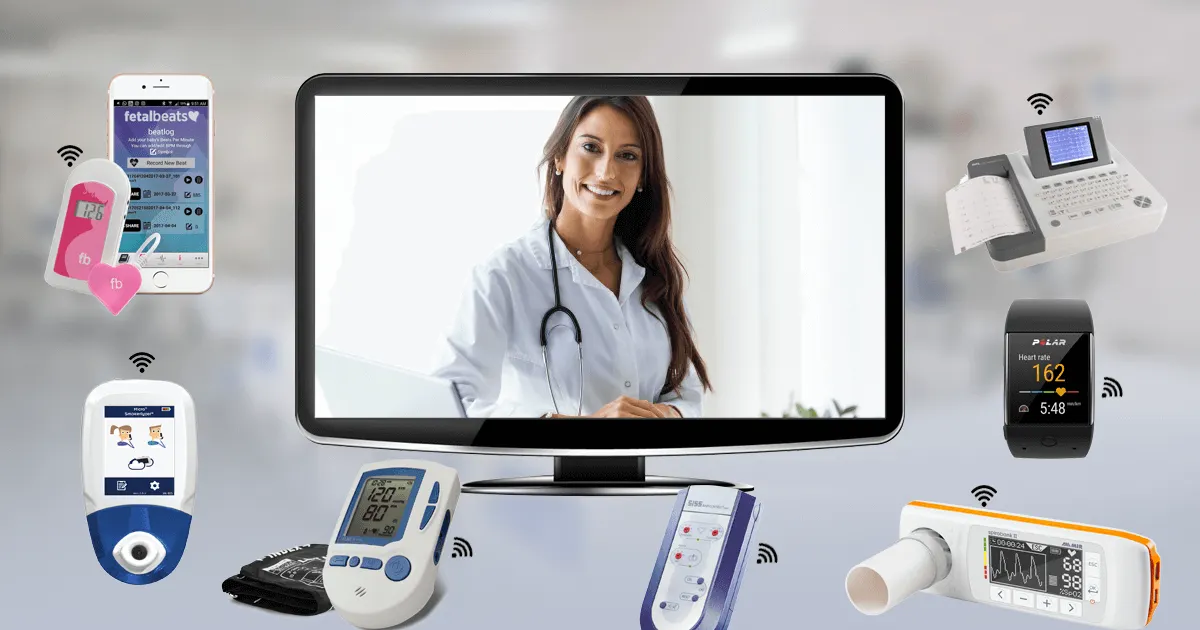
Home healthcare settings are projected to account for nearly one-third of RPM device demand in 2025.

Bupathi offers timely insights on the evolving pharmacy-PBM dynamic.

The U.S. market is also shaping global best practices, with homegrown RMN platforms influencing strategies in other regions.

New research reveals a significant gap between what beauty retailers think shoppers want and what they actually expect when they enter a store.

The pilot will assess program feasibility, patient nutrition security, clinical outcomes like A1c and blood pressure, and sustainability with health plan partners.

Pharmaceutical prices projected to rise 3.35%; supply chain prices, 2.41%.