

Gummies are now the preferred supplement for most Americans
A new report shows 74% of American supplement users prefer gummies over pills, expanding options across drug, mass, and online channels.
A new report shows 74% of American supplement users prefer gummies over pills, expanding options across drug, mass, and online channels.

Inaugural report highlights generational preferences and market opportunities.

People worldwide are proactively using supplements to fill nutritional gaps, support lifestyle goals, and address health concerns.

Over 115,000 prescription-related questions fielded on JustAnswer in 2025.

Report comes as NRF is forecasting holiday sales will increase between 3.7% and 4.2%.

Consumers report they expect to spend an average of $890.49 per person on gifts, food, décor, and other seasonal purchases.
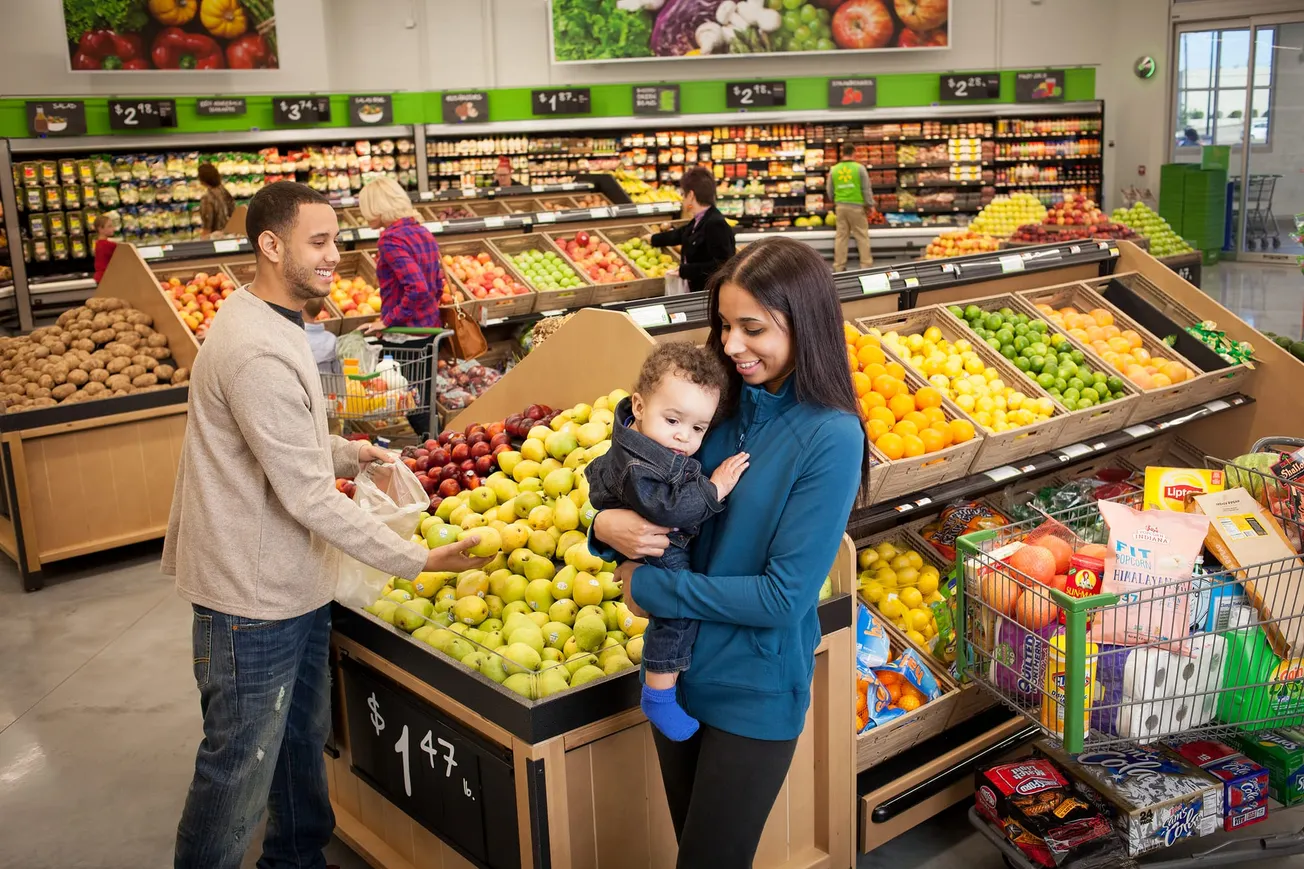
When informed about the purpose and process of gene editing purchase intent rose across all categories tested: pork, eggs, tomatoes and bananas.

Consumers are searching aggressively for value and starting earlier than ever, only to face promo overload and decision fatigue.

The supplements market will reach $139.9 billion by 2025, driven by educated shoppers demanding clear benefits, transparent claims, and supporting research.

Rising diabetes, aging population, and at-home recovery drive steady growth in wound care sales across U.S. pharmacies, supermarkets, and online retailers.
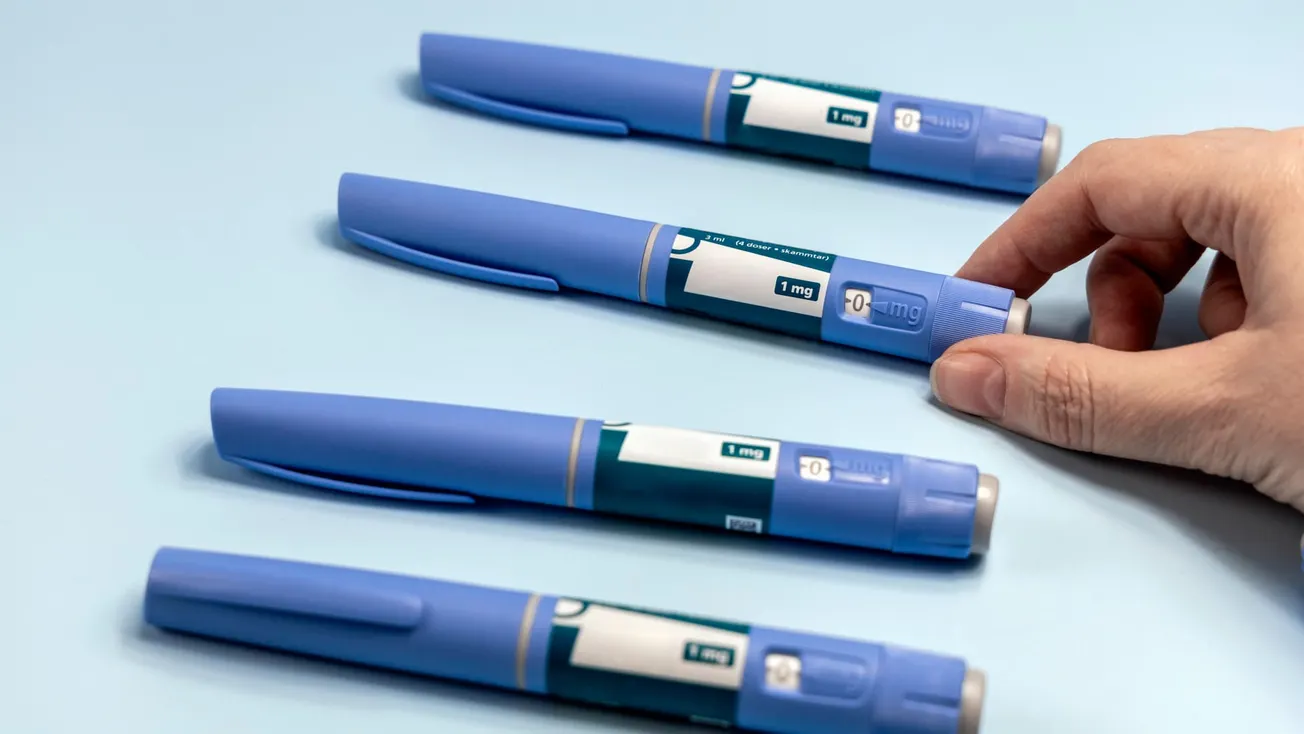
The review outlines practical supplement strategies to help clinicians support muscle health, heart function, and digestion in patients using GLP-1 therapies.

A new analysis from Global Location Strategies warns that the nation’s biopharma manufacturing boom depends on the availability of skilled labor and regulatory stability.

64% of store managers and staff have felt unsafe as tactics grow more aggressive.

Category is projected to more than double to $47.79 billion by 2030, mainly driven by vitamin and adult segments.

Compounding pharmacies are evolving from stopgap providers during drug shortages to strategic partners in modern, personalized health care.

Shoppers are resilient, planning to spend only 1.3% less than last year’s record. Retailers expect early deal-hunting and a long shopping season into December.