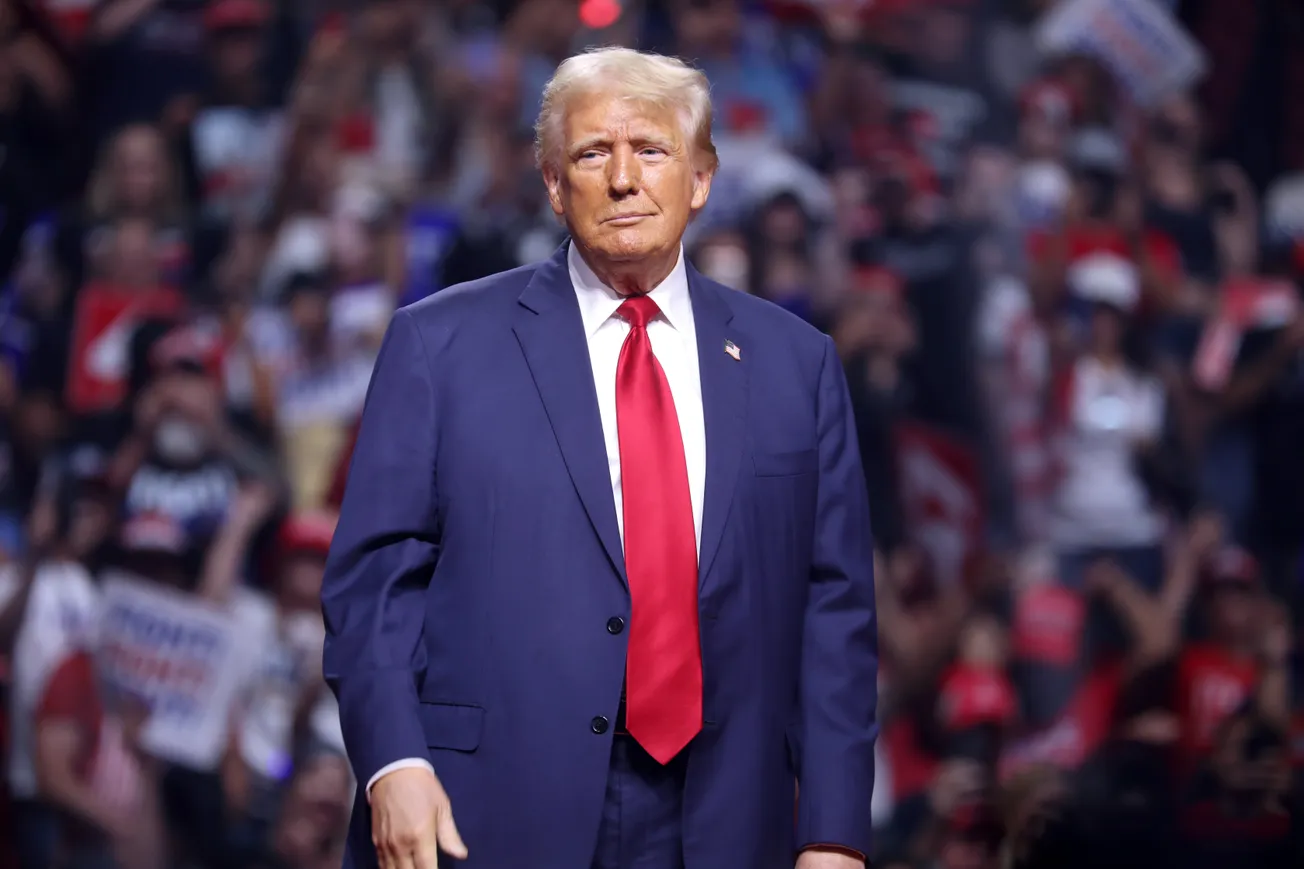
WASHINGTON — President Donald Trump announced Tuesday that his administration will begin imposing tariffs on imported pharmaceuticals within days, with rates that could climb as high as 250% over the next 18 months, his most aggressive trade measure yet against the drug industry.
In an interview on CNBC’s Squawk Box, Trump said a “small tariff” will be introduced first, but warned that it would ramp up sharply.
“We’ll be putting an initially small tariff on pharmaceuticals, but in one year, one and a half years, maximum, it’s going to go to 150% and then it’s going to go to 250% because we want pharmaceuticals made in our country,” Trump said Tuesday in an interview on CNBC.
“We want pharmaceuticals made in our country,” he added.
The announcement adds urgency to the administration’s Section 232 investigation into pharmaceutical imports, which began in April. The probe is examining whether the reliance on foreign-made drugs poses a national security threat—a legal pathway that could justify sweeping new tariffs.
The proposed levies are aimed at pressuring drugmakers to shift production to the United States. But industry leaders are warning of serious consequences. Pharmaceutical companies argue that such tariffs would increase costs, disrupt global supply chains, and reduce access to affordable medicine, potentially endangering patients and stalling research.
The industry is already navigating challenges from Trump’s drug pricing agenda, including a May executive order reviving the controversial “most favored nation” pricing policy. Though not yet enacted, the rule would tie U.S. drug prices to the lower prices paid abroad—a move drugmakers say could further reduce margins and investment in innovation.
Adding to the pressure, Trump last week sent letters to 17 pharmaceutical companies demanding they commit to lowering U.S. drug prices by September 29. Among the requirements: offering their full portfolio of medicines to Medicaid patients at the lowest global price.
 Thorvardur de Shong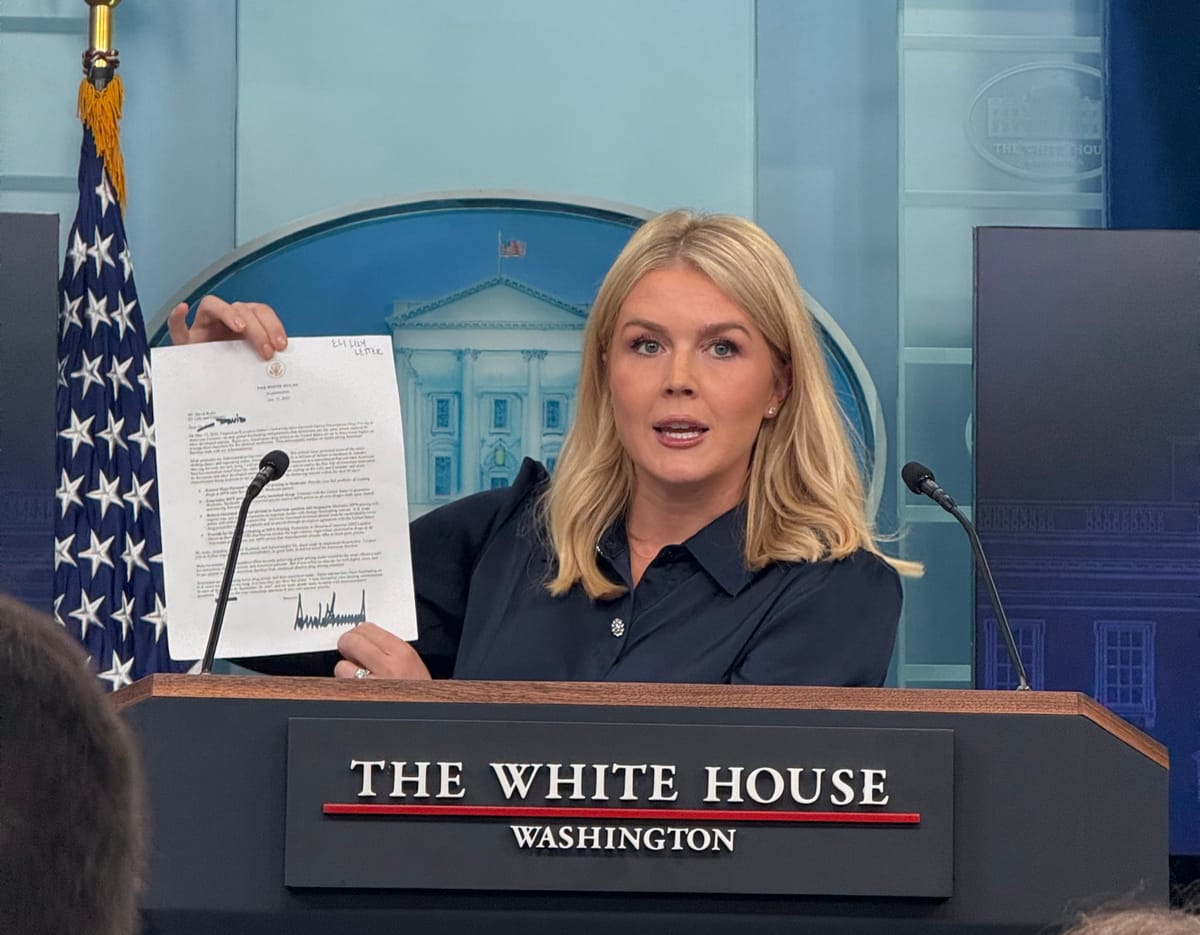
While some companies have pledged new U.S. investments in recent months, including Eli Lilly and Johnson & Johnson, the threat of 250% tariffs now raises the stakes dramatically.
For now, it remains to be seen how far Trump will go. He has previously floated aggressive trade measures, such as 200% tariffs in July, only to delay or revise them. Still, Tuesday’s remarks mark a clear signal that the White House is prepared to move quickly and forcefully against the pharmaceutical sector.