DELRAY BEACH, Fla — The U.S. compounding pharmacy market keeps growing rapidly, driven by increasing demand for personalized, patient-focused treatments that tackle drug shortages and the limits of mass-produced medications.
According to MarketsandMarkets, the global compounding pharmacy industry reached $14.72 billion in 2025 and is projected to grow to $19.41 billion by 2030, reflecting a 5.7% compound annual growth rate. Much of that growth comes from the United States, where a combination of clinical innovation, regulatory oversight, and consumer preference for customization is transforming the pharmaceutical landscape.
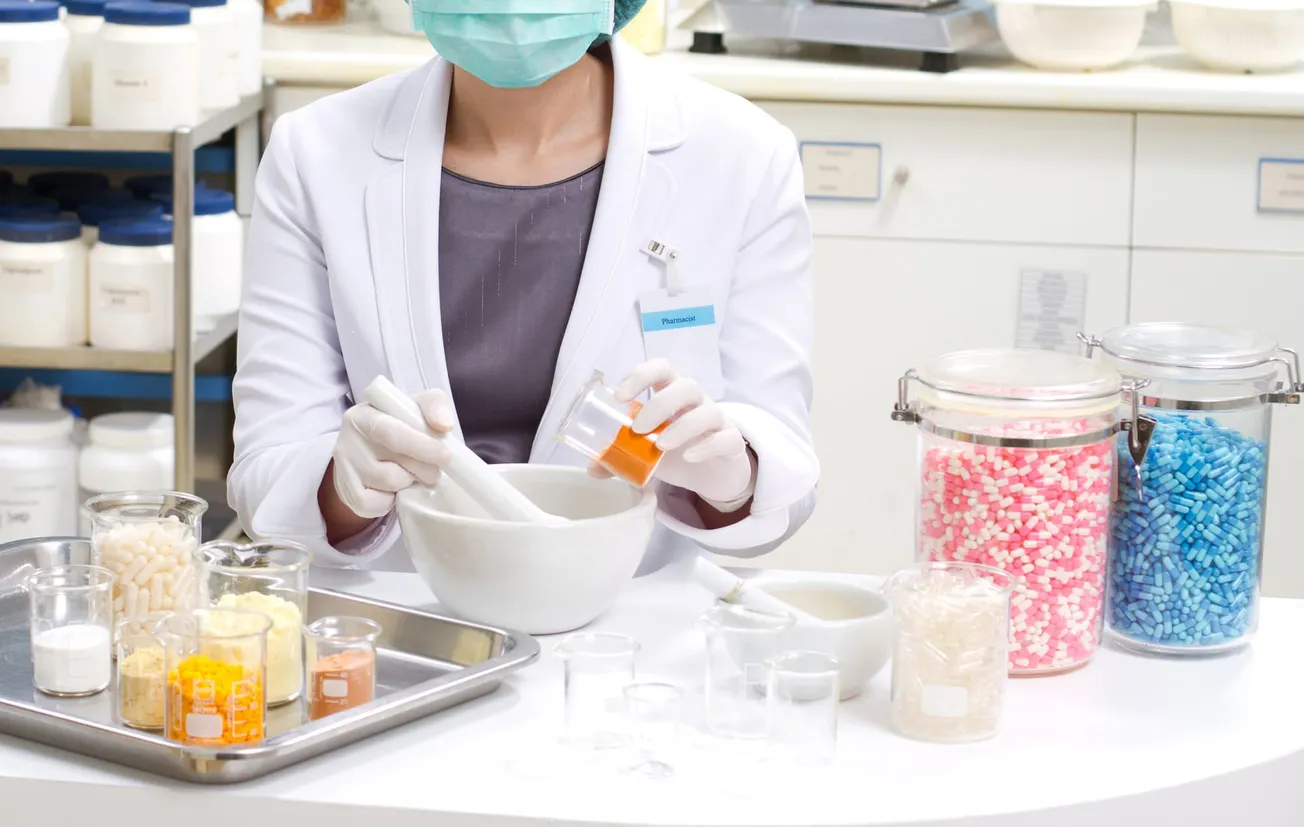
Persistent drug shortages—especially in high-demand therapeutic categories like GLP-1—have highlighted the vital role of compounders in maintaining care continuity. Hospitals, clinics, and specialty providers increasingly depend on compounders to create patient-specific doses, alternative delivery methods, and combination therapies not available commercially. This has led both large-scale 503B outsourcing facilities and 503A traditional compounding pharmacies to expand their production capacity, improve sterile environments, and invest in automation technologies that guarantee precision and compliance.
The oral drugs segment remains the core of the U.S. compounding pharmacy market, supported by widespread use in chronic disease management, hormone replacement, pediatrics, and geriatrics. Oral formulations such as capsules, suspensions, and sustained-release tablets enable customized dosing, flavor adjustments, and bioavailability improvements, enhancing adherence and therapeutic effectiveness. Rising rates of diabetes, endocrine disorders, and cardiovascular disease are driving further growth, as patients and prescribers seek tailored regimens that reduce side effects and increase tolerability. Advances in taste-masking and sustained-release technologies have improved patient satisfaction and clinical outcomes, making personalized oral medication a central part of compounding practice.
At the same time, hormone replacement therapy (HRT) is the fastest-growing sector in the U.S. market. Increased public awareness of bioidentical hormone options and precise dosing has boosted demand from both men and women dealing with menopause, andropause, or thyroid issues. Compounded HRT allows customization of hormone types, dosages, and delivery methods—such as topical creams, troches, or injections—enabling healthcare providers to tailor treatments to each patient’s hormonal needs. Advances in transdermal systems and strict adherence to FDA and USP quality standards have built greater confidence among physicians and consumers in compounded hormone therapies.
Leading U.S. companies like Baxter, Empower Pharmacy, QuVa Pharma, SCA Pharma, Nephron Pharmaceuticals, and Leiters Health continue to grow their sterile and non-sterile compounding operations. Empower Pharmacy, for example, runs one of the country's largest and most advanced 503A and 503B facilities, focusing on innovation and scalability. Baxter and QuVa Pharma have utilized automation and analytics to make sterile preparation more efficient, while SCA Pharma and Leiters Health concentrate on hospital outsourcing and regulatory compliance. These firms are aligning with the wider healthcare trend toward personalized medicine by integrating digital workflow systems, improving traceability, and using AI-powered formulation tools to ensure quality and efficiency at scale.
With increased regulatory scrutiny and rising patient awareness, the U.S. compounding pharmacy market is progressing into a more advanced phase—one that integrates high manufacturing standards with the human-centered goal of personalized care. As providers and patients look for more precise, adaptable, and effective treatment options, compounding pharmacies are becoming not just as fillers for shortages but as vital partners in delivering modern, individualized healthcare.