CHICAGO – According to new research from Beyond Finance, parents across the country are caught in what the company calls the "Back-to-School Parent Trap," the emotional tension between protecting their family's financial future and making sure their children don't feel left out. As Americans already face record levels of household debt, back-to-school shopping has become about far more than pencils, backpacks, and notebooks. For many families, it means taking on debt, turning to payday loans, selling personal belongings, or even gambling to cover the cost of sending their children back to school.
The survey of 2,000 U.S. parents found that 70% feel pressure to buy the same clothes, technology, and school supplies as other families, while 61% admit they've purchased something simply so their child wouldn't feel left out. More than half (54%) worry their child will be judged for reusing clothing or school supplies, and 42% of those who've made pressure-driven purchases say they later regretted purchases they made.
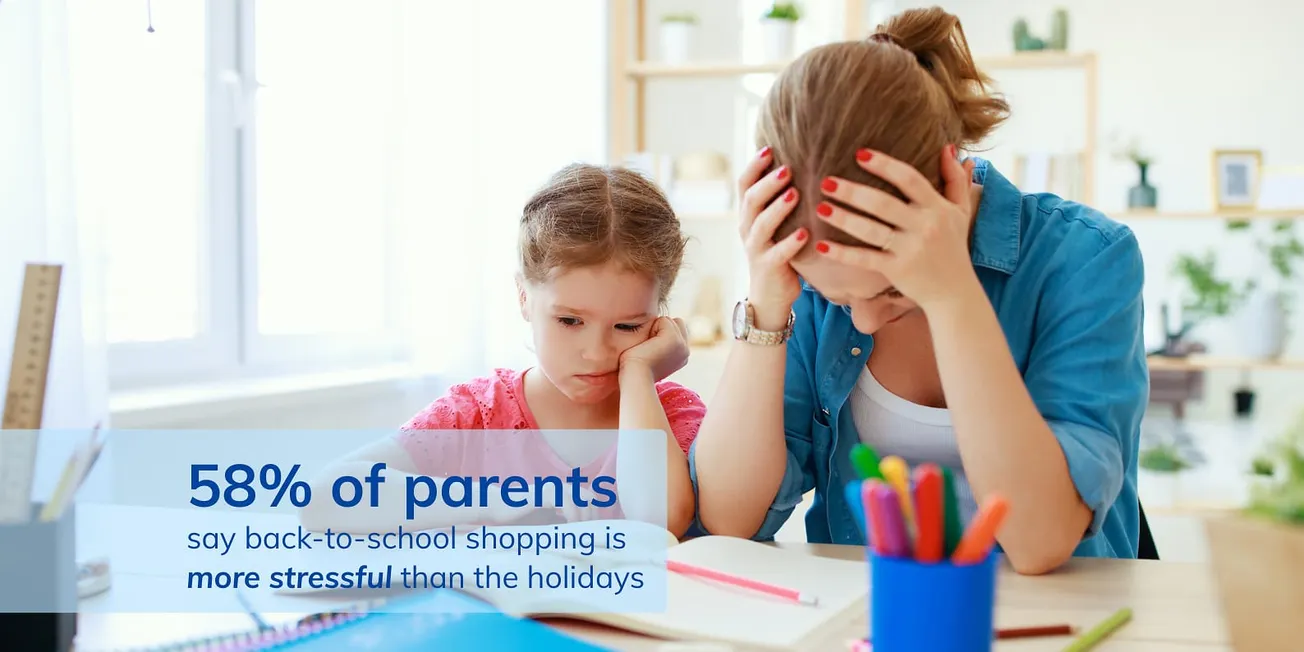
The emotional toll is also growing. Seven in 10 parents (70%) say back-to-school shopping is the most financially stressful time of the year, while 58% say it's even more stressful than the holidays.
"Parents aren't just buying school supplies. They're trying to give their children confidence, belonging, and the best possible start to the school year," said Dr. Erika Rasure, PhD, CFT, chief financial wellness advisor at Beyond Finance. "When parents feel caught between protecting their child's emotional well-being and protecting their family's financial future, it's easy to make decisions that provide short-term relief but create long-term financial stress. The good news is that children don't need the newest brand or the most expensive gadget to feel supported. They need to know they're loved, prepared, and valued."
The Price of Belonging
The findings underscore how back-to-school shopping has become more than a seasonal expense. Nearly four in 10 parents (39%) expect to take on debt to cover back-to-school expenses this year, and 38% said they've fallen into back-to-school debt in years past.
To make the numbers work, many parents say they've stretched their budgets in creative ways, including:
- Using coupons and discounts (27%)
- Borrowing from family or friends (25%)
- Turning to Buy Now, Pay Later services (23%) to spread out costs
- Shopping at thrift and secondhand stores (22%)
- Pawning possessions (12%)
- Petitioning friends or family members to contribute money (12%)
- Making homemade supplies (11%)
- Forming groups with other parents to order items in bulk/wholesale (10%)
Because of back-to-school costs, many parents also expect to delay important financial priorities, including saving for the future (23%), paying down existing debt (20%), or paying their rent or mortgages (15%), in order to have money for their children's school supplies.
When Financial Stress Becomes Parenting Guilt
The survey found that financial pressure doesn't stop at the checkout line. It often becomes deeply personal. Parents admitted that they feel guilty if they're not able to buy their child everything they want (74%). And most (69%) said they'd feel like a failure as a parent if they're not able to buy their kid everything they need for school.
"Parents naturally want to protect their children from feeling left out, but comparison can quietly become one of the most expensive parts of back-to-school season," Dr. Rasure said. "The healthiest financial decisions come from focusing on what a family truly needs, not keeping up with everyone else. Children remember how supported they felt far more than the logo on a backpack."
A New Conversation Around Back-to-School Spending
The findings suggest that today's back-to-school season is no longer just about preparing children for the classroom. It's about navigating social expectations, financial realities, and the emotional pressures of modern parenting.
To help families avoid the "Back-to-School Parent Trap," Dr. Rasure recommends the following:
- Prioritize what matters most: Instead of trying to buy everything on a child's wish list, involve them in choosing the one item that's most important and talk about the difference between its financial cost and its social value.
- Take advantage of available resources: Reach out to your child's school about donated supplies or local assistance programs, ask teachers if classroom supply requests can be spread out over time, and shop during tax-free weekends when available.
- Focus on preparation, not perfection: Back-to-school success isn't about buying everything. It's about making thoughtful spending decisions that help children feel prepared and supported without putting your family's financial health at risk.
To help consumers move from financial stress to financial stability, Beyond Finance recently introduced its free Financial Wellness RESET™ Framework, Assessment and Curriculum, a clinically-informed educational resource designed to help people better understand and shift the behavioral, emotional, and practical factors that shape their financial wellness.