DUBLIN, Ohio — As healthcare providers face increasingly complex disruptions ranging from hurricanes and wildfires to severe winter storms, Cardinal Health is highlighting the role its supply chain network plays in maintaining access to critical medical products during emergencies.
In recognition of National Healthcare Supply Chain Week, observed Oct. 4-10, the company is spotlighting how its Global Medical Products and Distribution (GMPD) team has managed significant supply chain challenges over the past year while helping healthcare organizations maintain continuity of care.
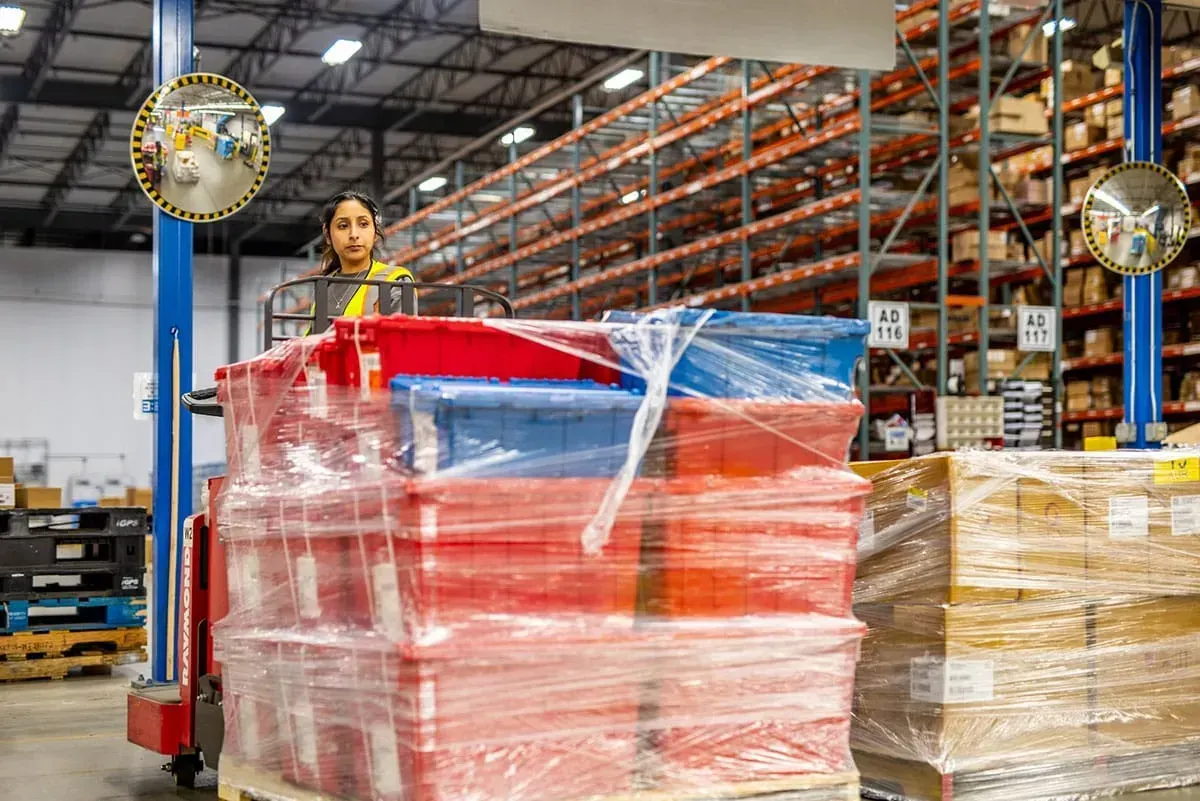
According to Cardinal Health, its supply chain infrastructure includes nearly 50 distribution and replenishment sites across North America. The company said its network is designed to adapt to changing conditions, with contingency measures such as backup generators, satellite communications and pre-contracted fuel suppliers intended to keep operations running during emergencies.
"We know our customers depend on us, especially in the most challenging times," said Sherrick Orie, vice president of North America operations for GMPD. "So, we invest in infrastructure, technology and relationships that enable us to act fast and stay flexible, regardless of the disruption."
Preparing for Hurricane Season
Cardinal Health said it works with healthcare providers before storms develop to establish preparedness plans, optimize transportation routes and increase inventories of critical products, including personal protective equipment. The company also provides customers with hurricane readiness checklists and logistical guidance intended to minimize disruptions.
Cherrod Williams, director of operations in Weston, Fla., said the company's experience managing extreme weather helps healthcare providers prepare their own operations and remain focused on patient care during storms.
Keeping Supplies Moving in Winter Weather
Severe winter weather also tested Cardinal Health's operations this year. During one of Charlotte, N.C.'s largest snowstorms on record, company teams balanced employee safety concerns with the need to continue serving hospitals and healthcare facilities.
Richard Luckner, senior manager of U.S. transportation, said the company relies on collaboration among operations teams, regional leadership and third-party logistics providers to optimize routes and sustain deliveries during adverse conditions.
Responding to Canadian Wildfires
In Canada, a challenging wildfire season in British Columbia disrupted key transportation corridors and forced Cardinal Health's logistics teams to develop alternative transportation plans. At one point, the company was monitoring more than 100 active wildfires across the province.
Khalid Ahmadzai of Cardinal Health Transportation said the team worked with carriers to identify contingency plans, assess alternate routes and communicate risks to stakeholders. Despite prolonged highway closures, the company said it was able to reroute freight and maintain service with minimal customer impact.
Supporting Providers After a Northern California Warehouse Fire
Earlier this year, Cardinal Health mobilized a large-scale response after a fire destroyed a distribution center operated by another medical products supplier in Northern California.
The company formed a cross-functional response team spanning supply chain operations, transportation and commercial functions to help healthcare providers that had relied on the affected facility. Cardinal Health expanded staffing at its Dixon, Calif., distribution center, sourced additional inventory and redirected medical products to support health systems facing shortages.
Kelly Peterson, director of operations at the Dixon facility, said the response included rapidly supplying products for scheduled surgeries and locating urgently needed anesthesia kits by reallocating inventory from other providers.
"We always know that we're doing more than delivering products — we're helping clinicians save lives," Peterson said.
Stepping In During a Health System Distribution Crisis
Cardinal Health also helped a southeastern health system after an emergency forced the closure of its self-operated distribution center, threatening the flow of supplies to hospitals and care sites.
Working with the health system's emergency command center, Cardinal Health expanded staffing at a nearby distribution center, established new transportation routes and coordinated inventory planning to ensure medical supplies continued to reach care facilities.
"The self-distribution center was the backbone of their supply chain," said Shannon Kelso, senior vice president of acute sales for Cardinal Health's U.S. Medical Products and Distribution business. "In an instant, that backbone was broken, putting patient care at risk."
According to the company, the coordinated response prevented any missed deliveries during the disruption.
Focus on Reliability
From hurricanes and blizzards to wildfires and facility emergencies, Cardinal Health said recent events underscore the importance of resilient healthcare supply chains and rapid-response planning.
Kelso said the company remains focused on helping healthcare providers navigate disruptions while ensuring patients continue to receive critical care products when they need them most.