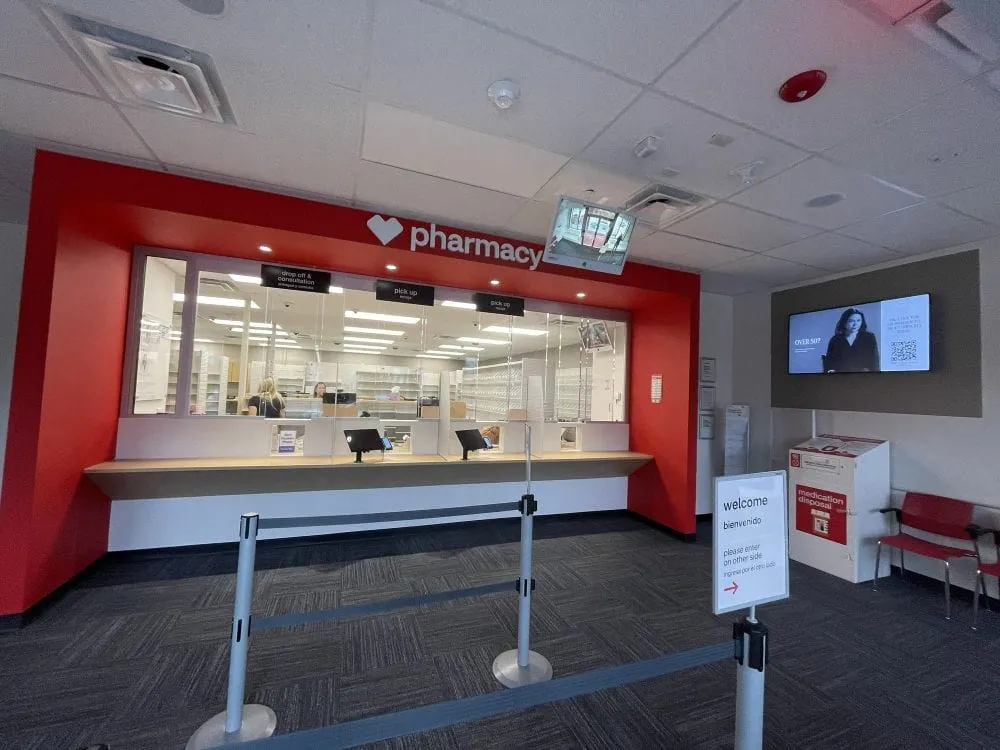
WASHINGTON — CVS Pharmacy and several of its subsidiaries have agreed to pay $315 million to settle allegations that the company improperly dispensed opioid prescriptions and other controlled substances, the U.S. Department of Justice announced Tuesday.
The settlement resolves a lawsuit filed in 2024 alleging that CVS filled medically unnecessary prescriptions for opioids and other controlled substances, contributing to the nation's ongoing opioid crisis. Federal prosecutors claimed the pharmacy chain prioritized speed and profits over safeguards intended to prevent the misuse of addictive medications.
“Not only does this settlement hold bad actors accountable for their fraudulent activities, but Americans are safer because of it,” Associate Attorney General Stanley Woodward said in a statement. “Today’s settlement is a significant milestone in the Justice Department’s efforts to combat the opioid epidemic by cracking down on pharmacies who unlawfully fulfill prescriptions for controlled substances,” he added.
CVS denied the allegations and said the agreement does not include an admission of liability. The company stated that its pharmacists are trained to dispense medications safely and that it has invested in programs designed to support responsible prescribing and dispensing practices.
According to the Justice Department, CVS violated the Controlled Substances Act by filling prescriptions for high-dose opioids that lacked a legitimate medical purpose. The government also alleged that the company continued dispensing large volumes of opioids prescribed by so-called "pill mill" operators, who issue prescriptions without proper medical justification.
Federal officials further alleged that staffing shortages, performance metrics and compensation incentives created pressure on pharmacists to fill prescriptions quickly without adequately scrutinizing their validity. Many of the prescriptions at issue were allegedly reimbursed through Medicaid and other federal healthcare programs.
As part of the settlement, CVS agreed to strengthen its compliance measures and implement additional safeguards aimed at ensuring controlled substances are dispensed only when medically appropriate. Assistant Attorney General Brett Shumate said the agreement is intended to help prevent future unlawful dispensing practices.
The settlement marks the latest in a series of opioid-related legal agreements involving healthcare companies. Over the past decade, drug manufacturers, distributors and pharmacy operators have collectively committed more than $50 billion in settlements with federal, state and local governments over their alleged roles in fueling the opioid epidemic.
Other major pharmacy chains, such as Walgreens and Walmart, have also reached opioid-related settlements with government entities in recent years. While opioid-related overdose deaths have topped 100,000 annually during parts of the crisis, recent data has shown a decline in fatalities.