
WASHINGTON — A biennial report just released by the Federal Reserve shows that Visa and Mastercard shifted more of the burden of debit card fraud onto the merchants, while easing responsibility for banks. The updated figures for 2023 show that merchants paid for 49.9% of debit card fraud in 2023 — up from 46.9% in 2021. During the same period, the amount paid by banks dropped from 33.4% to 28.3%. The report also highlights that banks subject to government regulation continue to earn outsized returns on debit transactions, averaging nearly six times their costs, with about 24 cents in revenue on costs of just 4.1 cents.
“The latest report shows the consequences of the Federal Reserve failing to keep up with its job as a regulator,” said Doug Kantor, Executive Committee member of the Merchant Payments Coalition and General Counsel for the National Association of Convenience Stores. “Rather than updating its regulations, the Fed has allowed Visa and Mastercard to punish merchants with increasing fraud losses, while banks extract huge profits far out of proportion to their costs. It has been nearly 15 years since the Fed wrote its regulations, and this report underscores the long-overdue need for an update to ensure that fees are reasonable and that there are incentives to reduce fraud.”
The Federal Reserve’s report is required to be published every other year by the Durbin Amendment to the Dodd-Frank Wall Street Reform law. That law requires the Fed’s regulations to limit centrally price-fixed debit interchange fees to an amount that is “reasonable and proportional” to the cost of the transaction to the bank that issues the debit card to the consumer. While retail profit margins in the United States are typically 3% or less and bank profit margins are around 30%, the Fed report shows bank profit margins on regulated debit interchange fees of about 500%.
The law allows banks that are willing to set their own fees in a competitive market to charge any amounts they see fit, but not a single bank has been willing to exit the price-fixed debit fee scheme to do that.
Fed regulations also authorize fees requiring merchants to pay banks .05% of debit transaction amounts to cover anticipated fraud losses, even though the statute passed by Congress does not allow for credit card companies to shift fraud losses through these fees. Shifting fraud losses through fees has been exacerbated by credit card companies steadily shifting the losses caused by fraud after-the-fact onto merchants. The Fed reported that in 2011 credit card companies required merchants to pay 38.3% of debit card fraud compared to the 49.9% that merchants were required to pay in 2023. At the same time, the shares of fraud losses paid by banks fell from 59.8% in 2011 to 28.3% in 2023. In spite of these changes, merchants still pay banks the same .05% of debit transactions in fees to cover banks’ anticipated fraud losses that they have since 2011 under the Fed’s regulations.
The Fed report was published one day after merchant groups sent a letter to the Fed urging it to finalize new regulations to reduce price-fixed debit interchange fees and correct aspects of its regulations on components of those fees including fraud losses and incentives for fraud prevention.
As merchant groups pointed out in that letter, “We know that the current Regulation II rate is no longer compliant with the statutory standard; as the Board pointed out in November 2023, “allowable costs incurred by covered issuers have fallen significantly since the original Regulation II rulemaking” and “the Board believes it is necessary to revise the interchange fee standards to reflect the decline since 2009” in issuer costs. But the financial industry wants to delay this necessary reform for as many months as possible because these fees are lucrative for them. Each day of delay means another day of excessively high fees that accrue to large banks but are borne by Main Street merchants and their customers.”
Fed report: Visa, Mastercard shift more debit fraud to merchants
The updated figures for 2023 show that merchants paid for 49.9% of debit card fraud in 2023 — up from 46.9% in 2021.

Latest
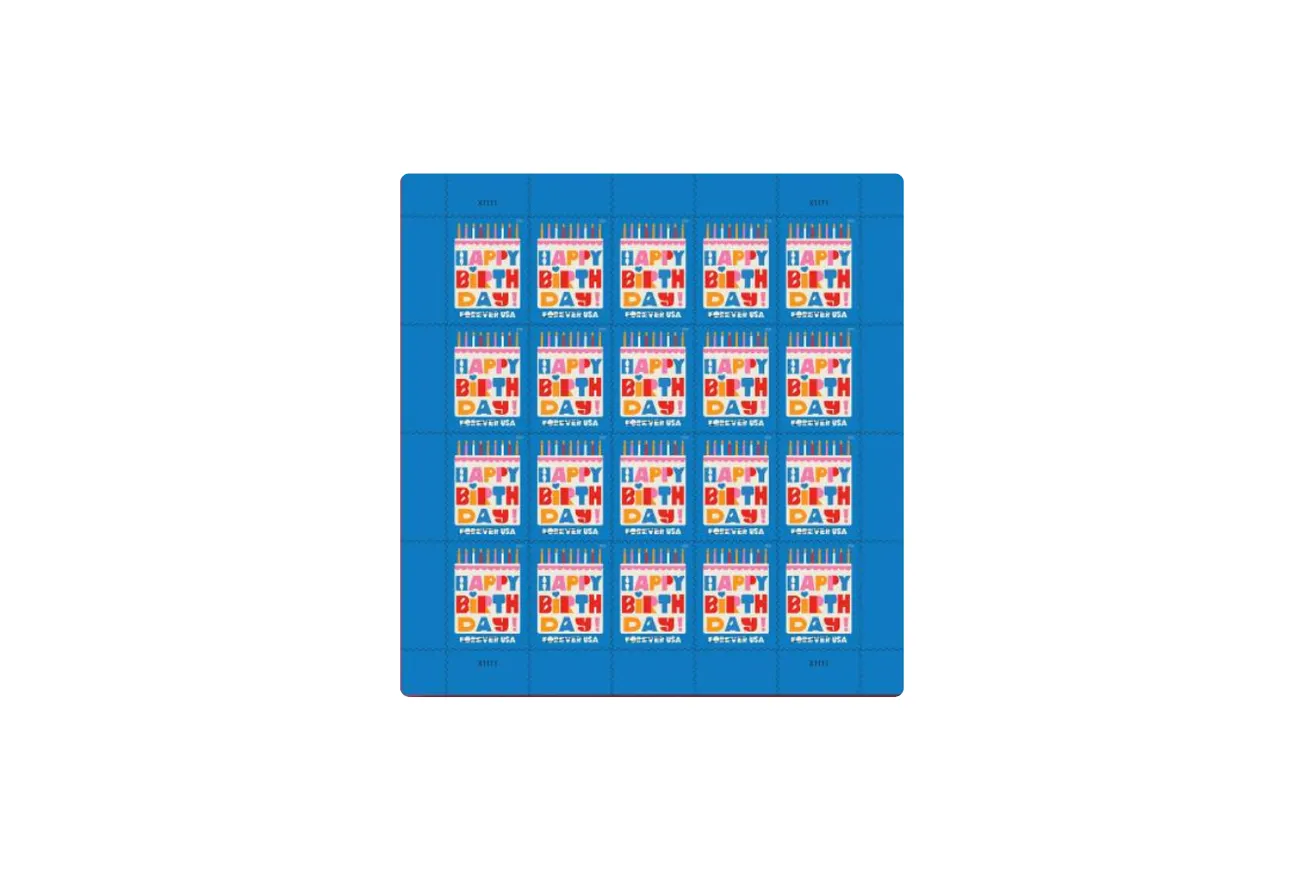
USPS honors greeting cards with 'Happy Birthday' stamp
Creators and suppliers to celebrate the role of greeting cards in spreading joy.

Grocers play a vital health role
By Krystal Register, VP of health and well-being at FMI – The Food Industry Association

Preventive health trends fuel gut supplement market expansion
Consumers are increasingly turning to probiotics and digestive health solutions, reinforcing front-end growth opportunities for chain drug retailers.

Lupin launches Dapagliflozin tablets in the United States
The tablets are bioequivalent to Farxiga®.