WASHINGTON — The penny’s long history came to its end this week when the U.S. Mint produced its final batch of one-cent coins. This move officially concludes more than 230 years of manufacturing and confirms what retailers have been facing for months, as shortages worsened and federal guidance fell behind.
On Wednesday, U.S. Treasurer Brandon Beach supervised the ceremonial final press at the Mint in Philadelphia, where five commemorative pennies were struck before machinery was converted to mint nickels, dimes, and quarters. The administration has described the change as a cost-saving measure, noting that each penny costs 3.69 cents to produce and that ending production will save an estimated 56 million dollars annually.
Although about 300 billion pennies are still considered legal tender, most no longer circulate in a meaningful way. This fact contributed to the shortages retailers reported over the summer after the Mint stopped producing pennies and the Federal Reserve made its last shipments to coin distribution centers in August. Retailers nationwide have posted notices warning customers about empty penny drawers, and industry groups have repeatedly asked federal agencies for clear regulations as stores shift to rounding cash transactions.
In surveys and public statements, major retailers have described the phase-out as moving faster than anticipated. “The phase-out has moved faster than anyone expected,” RILA senior executive vice president Austen Jensen said earlier this week. Retailers have emphasized that they do not oppose ending the penny, but cannot manage the transition alone. They have urged Congress and the Treasury Department to establish a national rounding standard, to clarify rules for SNAP purchases, and to harmonize federal and state cash laws that currently conflict with rounding practices.
 CDR
CDR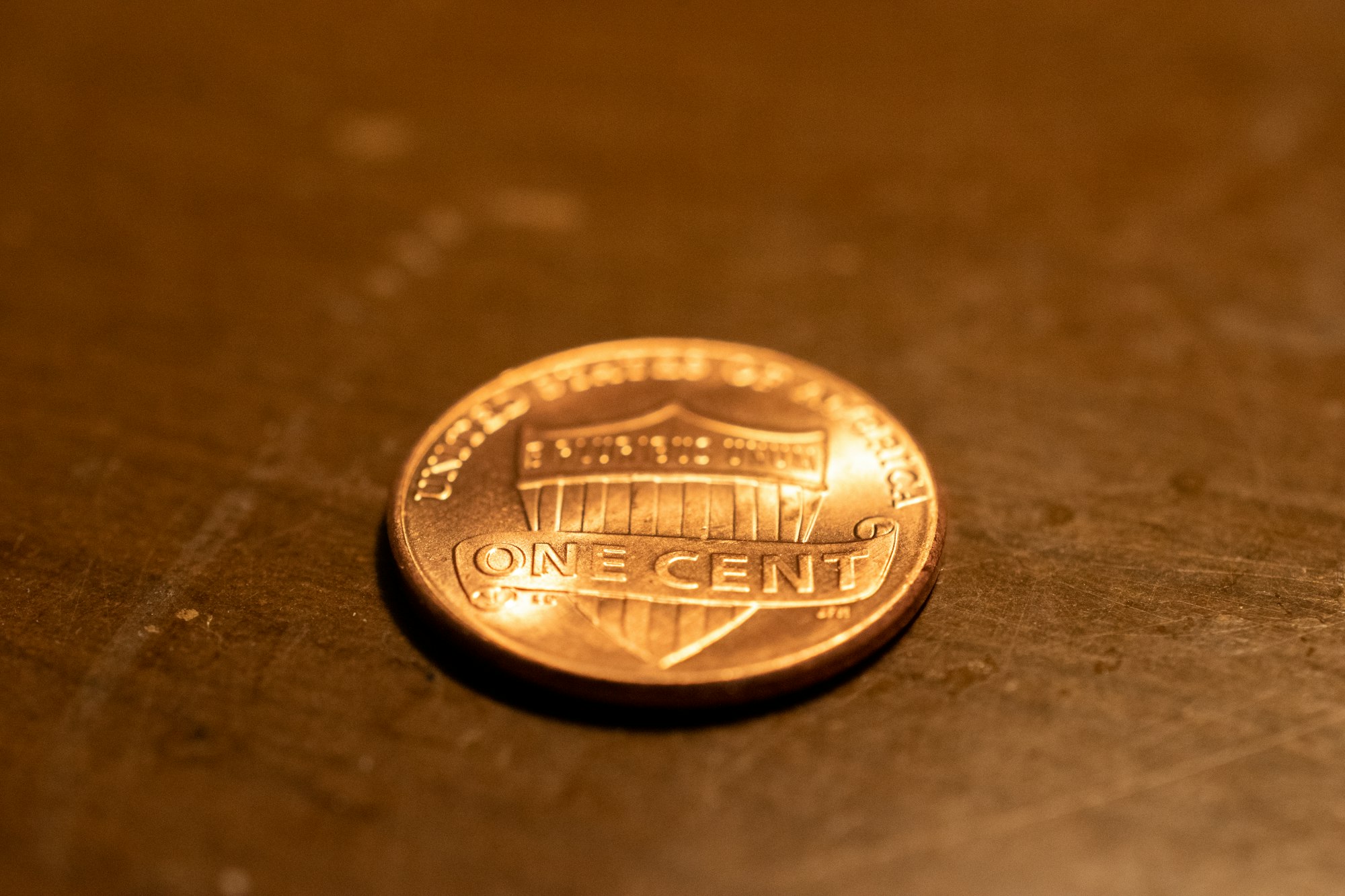
Convenience-store operators have expressed similar concerns. NACS warned that retailers and consumers face the risk of conflicting rules without prompt federal intervention. Many state and local governments still mandate exact-change cash transactions, leaving businesses unsure how to comply now that new pennies are no longer in circulation.
Some of the country’s largest chains have already started rounding down when penny shortages happen, absorbing the difference across thousands of daily transactions. While economists say rounding is just as likely to benefit consumers as retailers, operators argue that the lack of consistency causes real operational challenges, especially in regions where state law still bans rounding.
Economists have long argued that retiring the penny is unavoidable. Most are kept in jars, drawers, and car consoles rather than circulating in the economy, and experts say the time spent handling them costs more than their actual worth. With the average private-sector wage near $36 per hour, Americans earn about a penny per second, making it impractical even to pick one up from the ground.
The final five pennies struck on Wednesday bear an omega symbol and will be sold at auction, potentially fetching millions of dollars, according to rare-coin experts. Authorized by the Coinage Act of 1792, the penny was among the first coins produced by the Mint and has remained in continuous circulation since 1793.
With the end of the penny now official, retailers are turning their attention to upcoming uncertainties. Trade groups have warned that unless Congress sets clear rules soon, retailers may end up using inconsistent rounding practices across states, making compliance and cash-handling more difficult. Many also point out that the nickel, which costs 13.78 cents to make, might become the next coin to face scrutiny.
“America’s retailers are ready to be partners in modernizing our currency system,” RILA said in a recent statement. “But they need thoughtful action and coordinated rules of the road from federal leaders to make it work for consumers and businesses alike.”
For now, the nation begins adjusting to a world without new pennies, as the coins still sitting in jars and drawers continue to drift further from circulation, and retailers wait for clarity on how to navigate the transition.