NEW YORK — As 2026 begins, global surveys confirm that health and wellness remain top priorities for New Year’s resolutions. Insights from Google Trends reveal emerging themes—from the growing adoption of electric medicine to the persistent risks posed by extreme diets.
Recent surveys on New Year’s resolutions for 2026 show that improving physical and mental health is a top priority for people in the US, UK, and Europe. However, Google Trends analysis revealed that new types of health-related searches emerged in the second half of 2025 and will continue into next year.
With such terms as “viral diet” and “emotional fitness” gaining more traction, the wellness industry is becoming more polarised than ever. Due to that, clinicians claim that unregulated trends and marketing-led health claims continue to proliferate, and highlight three practices worth embracing in 2026 alongside three trends to avoid.
3 trends to make 2026 healthier
Trend to embrace #1: Emotional fitness over emotional suppression

Google Trends data from January 1 to December 1 (2025) on the keyword “emotional fitness” (Source: Google)
Rather than ignoring or suppressing stress, emotional fitness focuses on recognising emotional signals early and responding with structured regulation techniques such as mindfulness, journaling, breathwork, or mood tracking.
“In high-pressure environments, stress often accumulates quietly until it becomes unmanageable,” said Dr Hannah Nearney, clinical psychiatrist and UK Medical Director at Flow Neuroscience, a company behind the first FDA-approved non-invasive, non-drug, at-home treatment for depression. “Emotional fitness helps people identify emotional strain before it escalates, reducing the risk of anxiety and burnout.”
 Bill Schiffner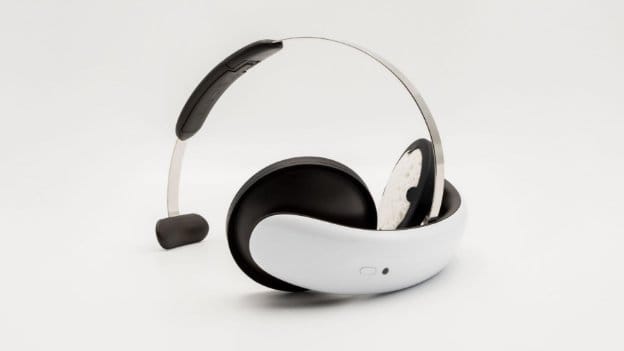
Mindfulness-based interventions can significantly improve emotional regulation and overall mental health, finds a 2025 study published in the Journal of Affective Disorders. Other research published in Nature shows that such practices can reduce symptoms of anxiety and depression, as well as improve physical health: reduce inflammation and cardiovascular risk.
Trend to embrace #2: Electric medicine enters the mainstream

Google Trends data from January 1 to December 1 (2025) on the keyword “brain stimulation” (Source: Google)
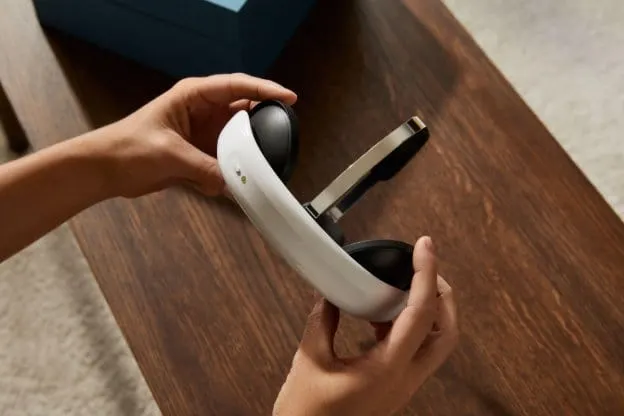
Electric medicine is emerging as one of the most significant shifts in mental health care, with brain stimulation techniques taking the lead.. Instead of altering brain chemistry systemically, electric medicine uses gentle electrical currents to modulate neural circuits involved in mood regulation, Dr. Nearney adds.
Transcranial direct-current stimulation, which targets the dorsolateral prefrontal cortex, is among the most studied approaches. In December 2025, the world’s first non-invasive, at-home medical device based on this technology was approved by the US Food and Drug Administration for the treatment of depression.
“Electric medicine works by speaking the brain’s own language – electrical signalling – rather than forcing chemical changes throughout the body. It is coming to the mainstream medicine as an alternative to years of trial-and-error with antidepressants,” said Dr Kultar Singh Garcha, NHS GP and Chief Medical Officer at Flow Neuroscience.
“When properly regulated, it offers a precise and biologically intuitive option for patients, and more devices like that will definitely emerge in 2026.”
Trend to embrace #3: Low-friction prevention instead of crisis care
Both Dr Hannah and Dr Kultar also highlight a shift toward low-friction preventive care – interventions that can be integrated into daily life before symptoms escalate.
This includes early mental health screening and even digital mood tracking used alongside clinical care as telehealth solutions advance.
“Unfortunately, prevention in mental health has long been neglected,” said Dr Nearney. “Next year will be about intervening earlier, as we’re past the evidence stage – it’s clear small changes can prevent long-term illness, but governments have to implement this knowledge into their national health agendas.”
3 trends to avoid following in 2026
Trend to ditch #1: Unregulated wellness devices and biohacking hype

Google Trends data from January 1 to December 1 (2025) on the keyword “wellness device” (Source: Google)
As electric medicine gains attention, clinicians warn that unregulated brain stimulation devices and biohacking tools are flooding the market, too, often promoted with scientific-sounding language but little evidence.
“We must emphasise that not all devices that claim to stimulate the brain are medical treatments,” Dr Garcha said. “Often, marketing runs ahead of evidence, and patients struggle to tell regulated electric medicine from wellness gadgets. That confusion delays effective treatment and erodes trust.”
Clinicians stress that legitimate medical devices undergo regulatory review, clinical trials, and post-market surveillance, and these are standards most consumer biohacking products do not meet. One should look whether the device is a medical device or a wellness device – medical devices are much more regulated and are usually used with clinicians’ supervision.
Trend to ditch #2: Extreme diets and “detox” myths

Google Trends data from January 1 to December 1 (2025) on the keyword “viral diet” (Source: Google)
Extreme dietary trends will remain a persistent risk in 2026. Clinicians continue to caution against single-food diets, including all-meat “carnivore” plans, as well as juice cleanses and detox programs that promise rapid resets.
“Such detox trends exploit a misunderstanding of human physiology,” Dr Garcha said. “The liver and kidneys already detox the body continuously. Extreme diets disrupt nutrition, hormones, and gut health rather than restoring them.”
Research links severe dietary restriction to electrolyte imbalances, gastrointestinal complications, and long-term metabolic disruption.
Trend to ditch #3: Algorithm-driven wellness
Clinicians also warn against relying on algorithm-driven health advice from social media platforms.
The scale of dubious advice is alarming: one survey found that 87% of millennial and Gen Z TikTok users get at least some health tips from social media, yet only about 2% of that content aligns with official public health guidelines.
“Algorithmic popularity is not a proxy for medical accuracy,” said Dr Kultar. “Following unverified advice can expose people to real harm.”
Finally, clinicians agree that the defining wellness shift for 2026 is discernment. Health outcomes improve when people choose evidence and regulation over extremes and hype. As the line between medicine and wellness blurs, experts stress that science, not marketing, should guide health decisions.