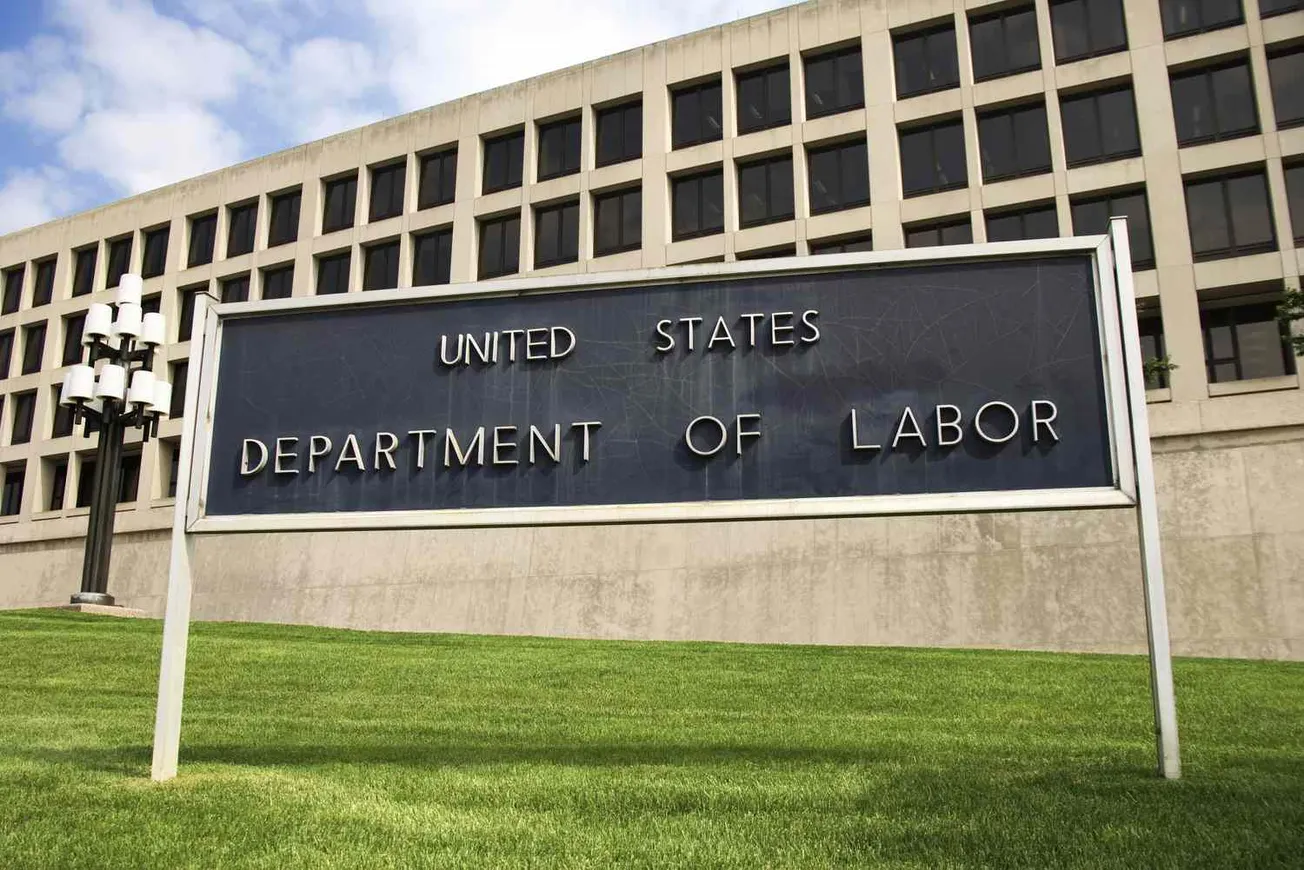
WASHINGTON — The U.S. Department of Labor on Thursday proposed a comprehensive new rule requiring pharmacy benefit managers to disclose the full extent of fees and compensation they receive. This move aims to increase transparency in prescription drug pricing for employer-sponsored health plans.
Issued by the Employee Benefits Security Administration at the U.S. Department of Labor, the proposed regulation would require PBMs to provide detailed compensation disclosures to fiduciaries of self-insured group health plans, which cover an estimated 90 million Americans. The agency described the proposal as the most significant federal reform targeting prescription drug middlemen in decades.
The rule expands on President Trump’s executive order to lower drug prices and aims to help plan fiduciaries determine if PBM compensation is reasonable, as required under the Employee Retirement Income Security Act. Labor officials said fiduciaries often lack insight into the payments PBMs and their affiliates receive from drug manufacturers, pharmacies, and other entities.
Under the proposal, PBMs would be required for the first time to disclose rebates and other payments from drug manufacturers, compensation earned when a plan pays more for a drug than the amount reimbursed to the pharmacy, and payments later recouped from pharmacies for prescriptions dispensed to the plan. The rule would also explicitly authorize plan fiduciaries to audit PBM disclosures and provide additional relief if PBMs fail to fulfill their obligations.
PBMs play a key role in negotiating drug prices and managing formularies for employer-sponsored plans, but their business practices have faced increased scrutiny from regulators and lawmakers. Major PBM operators include units of CVS Health, Cigna, and UnitedHealth Group.
In announcing the proposal, Labor Department officials said the disclosures would help employers better understand PBM revenue streams and negotiate more favorable arrangements for workers and retirees. The department said increased transparency could help curb hidden fees and misaligned incentives that drive up drug costs.
The proposed rule is now available for public inspection. Comments are due 60 days after their January 30 publication in the Federal Register.
Submit Your Press Release
Have news to share? Send us your press releases and announcements.
Send Press Release