
WASHINGTON — The Merchants Payments Coalition and its member trade associations today called on the Federal Reserve to reject banks’ latest effort to abandon a proposal aimed at reducing the billions of dollars in debit card “swipe” fees charged by major banks. Instead, MPC urged the Fed to move forward and implement the long-overdue reduction.
“At a time when affordability and rising prices are urgent concerns for American consumers, it is regrettable that financial trade associations appear far more concerned with preserving their ability to charge excessive transaction fees on debit card payments than they are with the economic well-being of their fellow Americans,” the merchant groups said in a letter to the Fed’s Board of Governors. “We urge the Board to reject this latest financial industry stall tactic and to move forward without further delay to bring long-overdue debit fee relief to the American people.”
The American Bankers Association and other banking groups last week asked the Fed to withdraw its proposal to reduce the 2011 regulated rate for debit card swipe fees “while it awaits further clarity from the courts and considers more current data.” The request was at least the sixth attempt by banks to delay the proposal since it was released in 2023.
Today’s MPC letter said there is no need to wait for court action or for new data.
The letter said two recent court rulings “already provide sufficient clarity to move forward.” In both the Corner Post and Linney’s Pizza cases, merchants argued that the Fed set the rate too high in 2011 by including certain bank costs Congress said could not be included. In Corner Post, a federal judge agreed and ordered the Fed to rewrite the regulation but said the ruling “does not prevent” the 2023 reduction from moving forward in the meantime. In Linney’s Pizza, a judge said the disputed costs could be included. But MPC said the 2023 proposal doesn’t change what costs are taken into consideration, so the case “also does not forestall” the proposal.
The proposed reduction is based on 2021 data on banks’ costs, and the ABA argued that the Fed needs updated data. MPC said time has passed only because of bankers’ efforts to delay the reduction and that the data is still valid because “every single data collection and report” by the Fed since the current rate was adopted in 2011 “has supported decreases in the regulated rate.”
“The Board must not reward such gamesmanship by the financial industry,” the letter said. “After a decade and a half, it is time for the Board to fulfill its responsibility as a regulator and get the job done.”
Under regulations established in 2011, banks that have at least $10 billion in assets and follow rates centrally set by Visa and Mastercard can charge merchants swipe fees of no more than 21 cents per debit card transaction plus 1 cent for fraud prevention and 0.05% of the transaction amount for fraud loss recovery. Banks are free to charge more if they set their own rates, but none do so.
Under a 2010 law, the Fed was supposed to review the rate every two years and keep it “proportional” to banks’ costs. Despite constantly falling costs, the Fed didn’t seek a change until 2023, when it proposed that the base amount be lowered to 14.4 cents and the amount for fraud loss to 0.04% but that the amount for fraud prevention would increase to 1.3 cents. MPC welcomed the proposal but said it doesn’t go far enough. That’s because it would lower the amount banks can charge by less than a third even though banks’ average cost of processing a transaction had fallen by nearly 50% — from 7.7 cents before the current rate was set to 3.9 cents in 2021.
The swipe fee regulation and a provision letting merchants choose which networks process debit transactions have saved an estimated $9 billion a year. About 70% of the savings has been shared directly with consumers, largely by holding down price increases. The rest of the savings were reinvested in hiring more employees, paying them more and opening additional stores. The savings supported more than 37,000 new jobs in the first year alone. Nonetheless, the savings and job gains could have been higher had the Fed set a lower rate or adjusted rates to follow banks’ falling costs.
Debit card swipe fees cost merchants and their customers $38.7 billion last year, according to the Nilson Report. When credit cards are included, swipe fees totaled $187.2 billion in 2024 and have risen 70% since the pandemic. The fees are most merchants’ highest operating cost after labor and too much to absorb, driving up consumer prices by nearly $1,200 a year for the average family.
Merchants urge Fed to reject banks’ delay on cutting debit card swipe fees
Today’s MPC letter said there is no need to wait for court action or for new data.

Related

NRF unveils 2026 Top 50 Global Retailers list
The ranking methodology assigns scores based on a retailer’s domestic and international retail revenues.
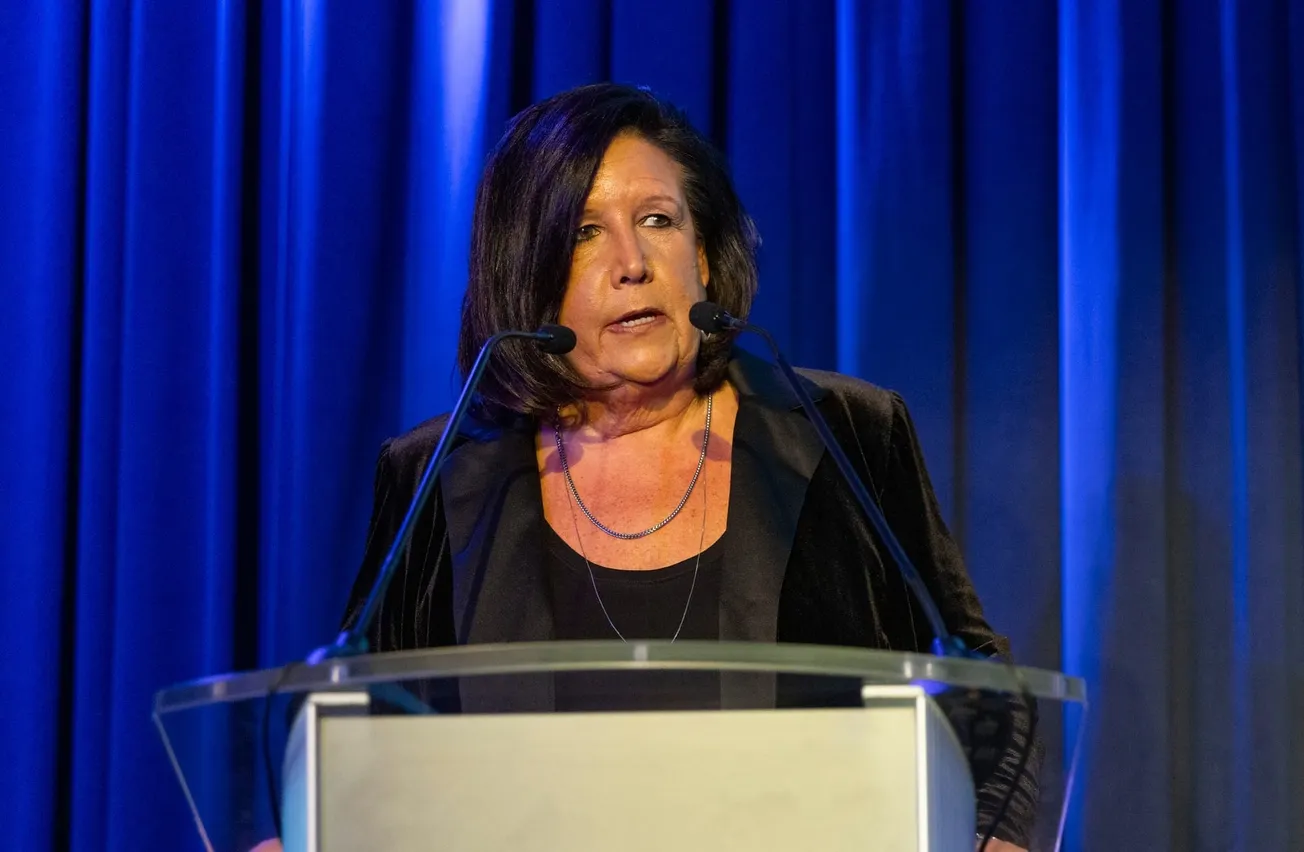
Hy-Vee CEO honors Donna Tweeten as an industry trailblazer
Tweeten, Hy-Vee’s first female president who joined in 2006 and was chief marketing officer before becoming president, retired in January 2025 but stayed as a consultant until her death.

Walmart unveils limited-time The Devil Wears Prada Scoop Collection
The collection highlights Walmart’s focus on trendy fashion, modernizing its private brands with style, quality, and value.

Circana report reveals new rules for CPG success
Circana’s findings point to a market in which scale alone is no longer sufficient.
Latest
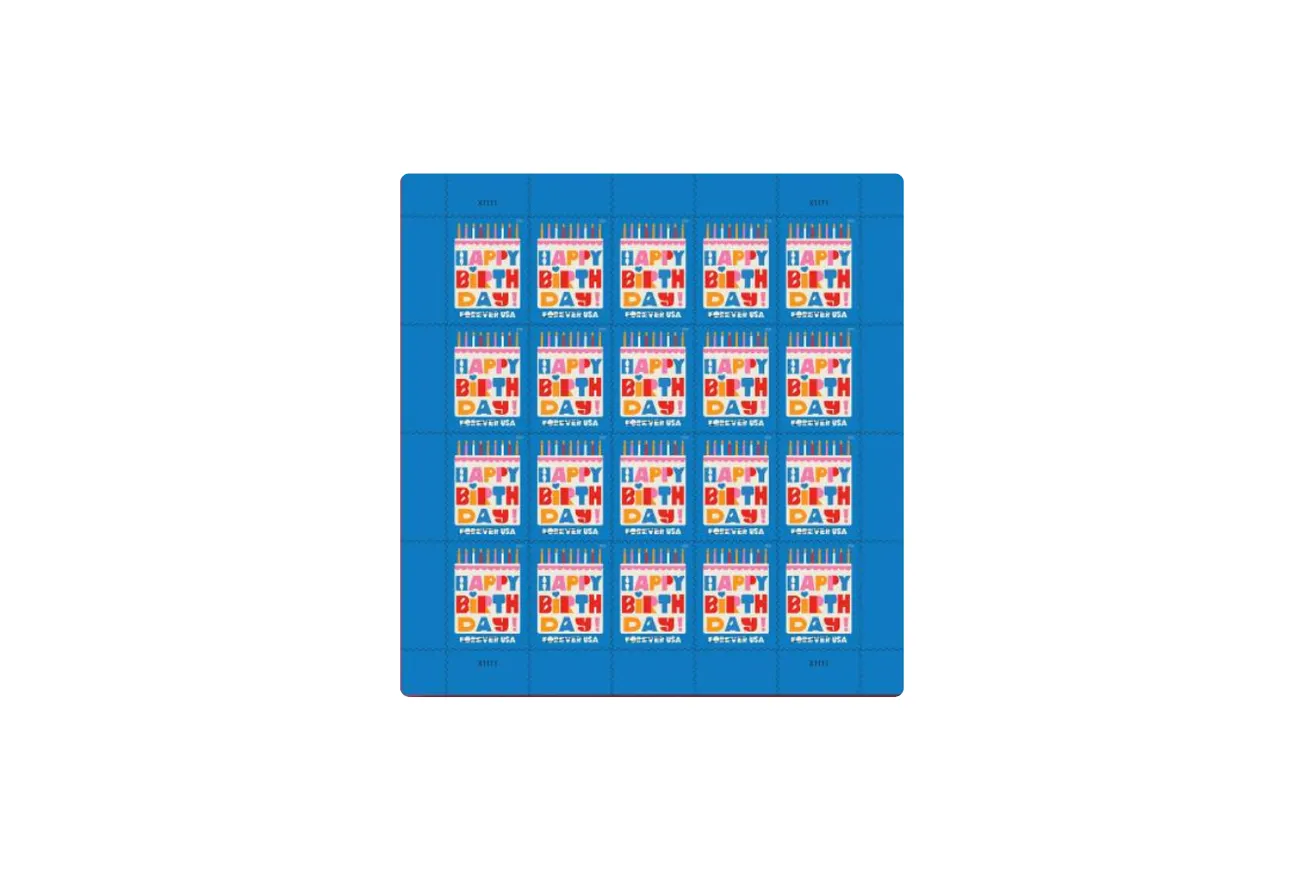
USPS honors greeting cards with 'Happy Birthday' stamp
Creators and suppliers to celebrate the role of greeting cards in spreading joy.

Grocers play a vital health role
By Krystal Register, VP of health and well-being at FMI – The Food Industry Association

Preventive health trends fuel gut supplement market expansion
Consumers are increasingly turning to probiotics and digestive health solutions, reinforcing front-end growth opportunities for chain drug retailers.

Lupin launches Dapagliflozin tablets in the United States
The tablets are bioequivalent to Farxiga®.