

Consumer spending stabilizes in February despite weather disruptions
Circana said weather caused short-term disruptions but didn't alter the overall retail trend.
Circana said weather caused short-term disruptions but didn't alter the overall retail trend.
“This agreement represents a significant step forward in leveraging data to create mutual value,” Circana's Brad Shelton said.
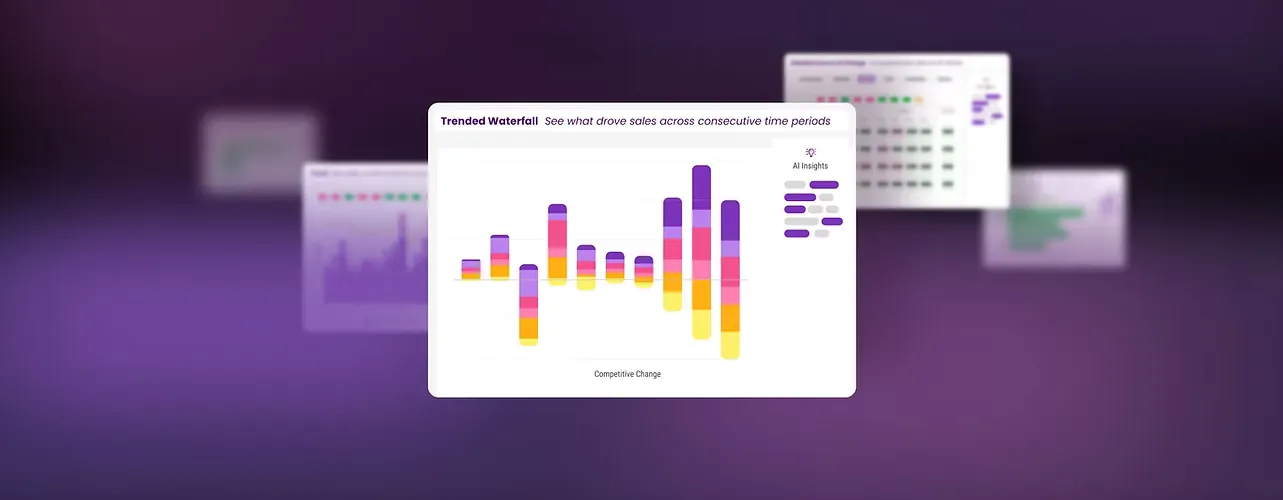
The Complete Why solution uses store- and week-level models to diagnose and measure the effects of up to 60 different drivers per product and market.

Beauty keeps outperforming many other consumer industries despite ongoing economic pressures.

New collaboration provides suppliers with data-driven visibility into nutrition trends and helps make nutritious eating easier for all consumers.

The feature allows clients to seamlessly integrate third-party product attribute data into Circana’s existing datasets and analytical models.

These generational differences affect both product assortment and channel strategy.

For consumers who are resistant to AI, practicality and trust remain key barriers.

“Consumers continue to spend what they can, but price elevation is curtailing purchases,” said Marshal Cohen, chief retail industry advisor for Circana.

Liquid Testing uses AI-powered test design, automatic store matching, and easy-to-understand reports to deliver results in days rather than weeks or months.
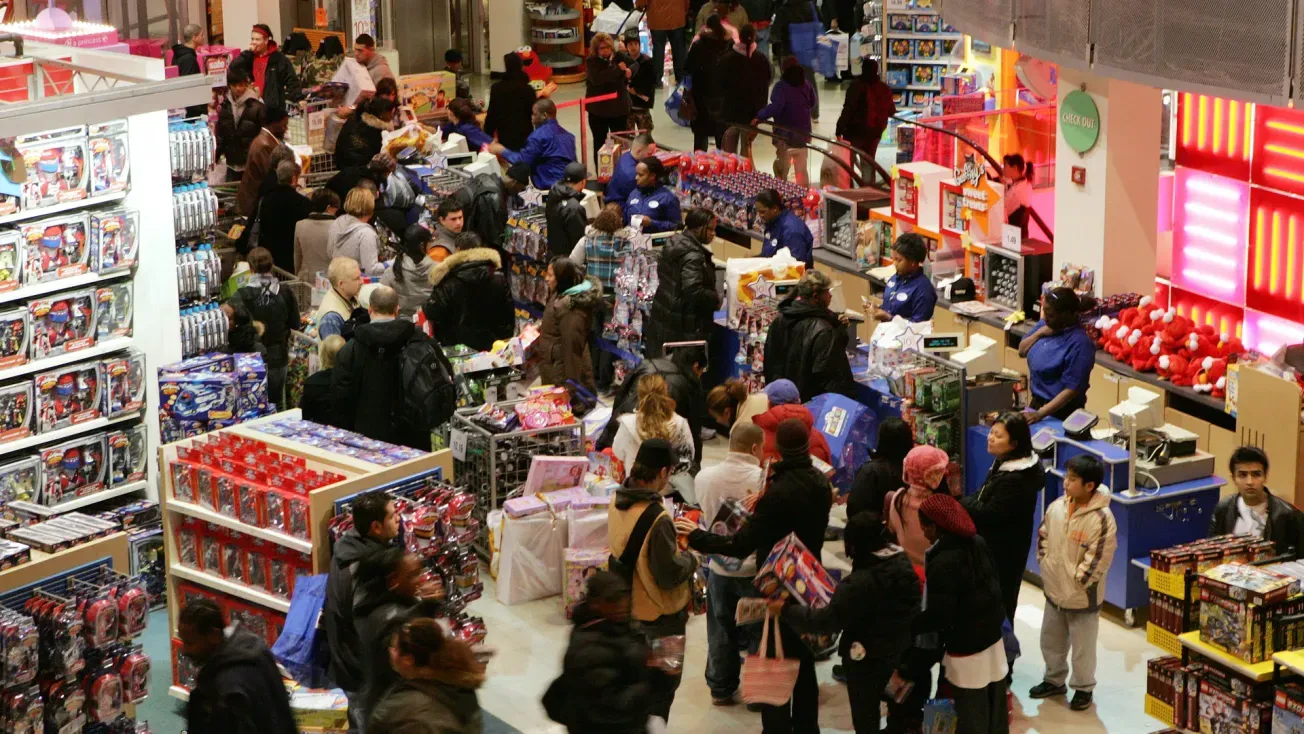
Combined, Black Friday Week and Cyber Week resulted in a 2% dollar and nearly 5% unit decline from last year.

About one in five consumers purchased fragrance as a holiday gift last year, and purchase intentions are even higher this year.
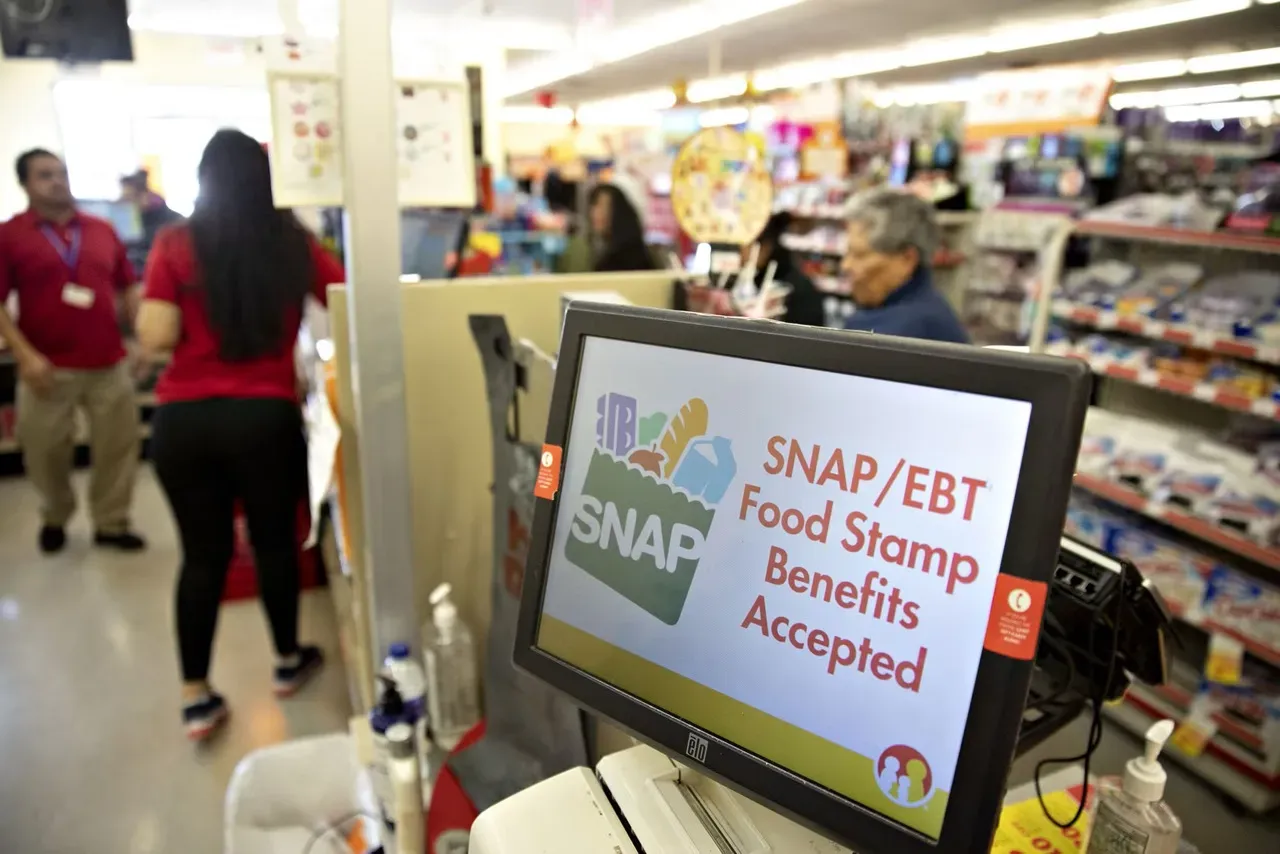
The judge found the administration’s partial funding insufficient and warned that food banks and community organizations are struggling.

Consumer confidence stays weak, especially among low- and middle-income households, who are sharply cutting discretionary spending.

This shift directly impacts purchasing decisions, with consumers altering their baskets to align with new dietary preferences.

“Invisible Inflation” emphasizes importance of product relevance as consumers prioritize spending.