

Healthcare supply chain market set for steady growth through 2031
Complex supply chains and AI adoption are driving investment in forecasting, inventory, and procurement technology.
Complex supply chains and AI adoption are driving investment in forecasting, inventory, and procurement technology.

The IRB-approved study will enroll 120 women and directly compare two forms of folate used in prenatal nutrition.

E-commerce holiday sales projected to reach $316.1 billion to $318.9 billion, increasing 7.5% to 8.4%.

Emarsys finds that fragmented data is preventing many brands from fully deploying AI across customer engagement.

A U.S. News & World Report survey shows experts prefer exercise, nutrition, and sleep over trendy longevity fixes, highlighting opportunities in supplements, GLP-1s, and women’s health.

"The implications are far reaching," said Katherine Black, a Kearney partner and the report's author.
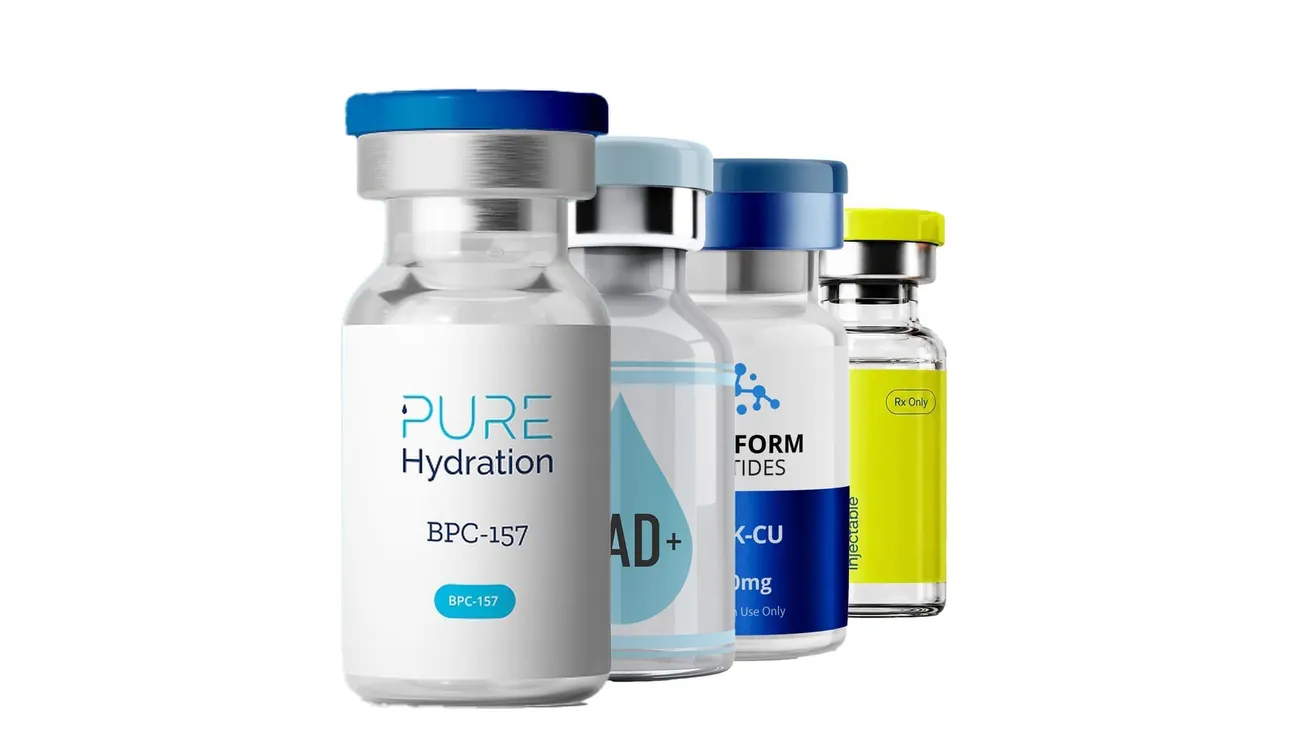
A survey of peptide users found skepticism toward traditional healthcare, with most relying on independent research, scientific literature, and online communities for health decisions.

The goal is to improve early detection, monitor disease progression, enhance clinical trial enrollment, and advance precision medicine for neurodegenerative diseases.

SAP says social commerce, AI, and personalization are reshaping customer engagement.

A new Pacific Research Institute study estimates that state employee health plans could save up to $1.8 billion annually by expanding the use of lower-cost biosimilar medicines.
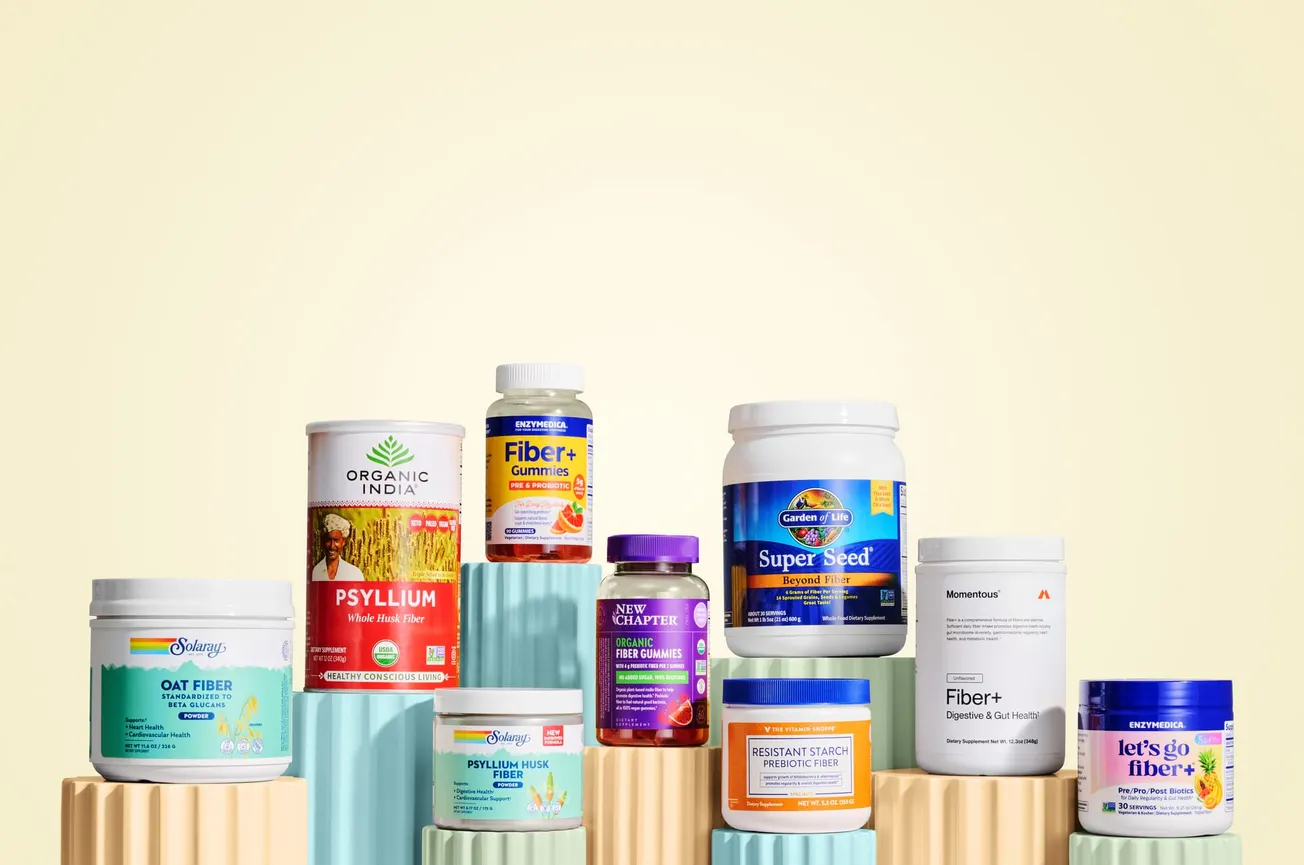
The Annual Trend Report highlights the rise of fiber, liver health, supplement transparency, trademarked ingredients, and flavor innovation as top consumer trends for 2026.

Demand is being driven by rising awareness of gut microbiome health, increased preventive health spending and growing consumer interest in targeted dietary solutions.

North America will stay a leading wellness market with high consumer spending on premium health products, digital health, and preventive care.

The US drives growth via branded therapies, rising obesity, and broader use in diabetes and weight management.

The study found that shoppers are increasingly drawn to store brands for reasons beyond value.

Value consciousness, treatment‑led demand, and digital acceleration shape performance.