

RxConnexion teams with Hypr Delivery to transform same-day Rx delivery for independent pharmacies
Hypr Delivery is a leading last-mile delivery service, to help independent pharmacies compete in the rapidly evolving same-day delivery marketplace.
Hypr Delivery is a leading last-mile delivery service, to help independent pharmacies compete in the rapidly evolving same-day delivery marketplace.
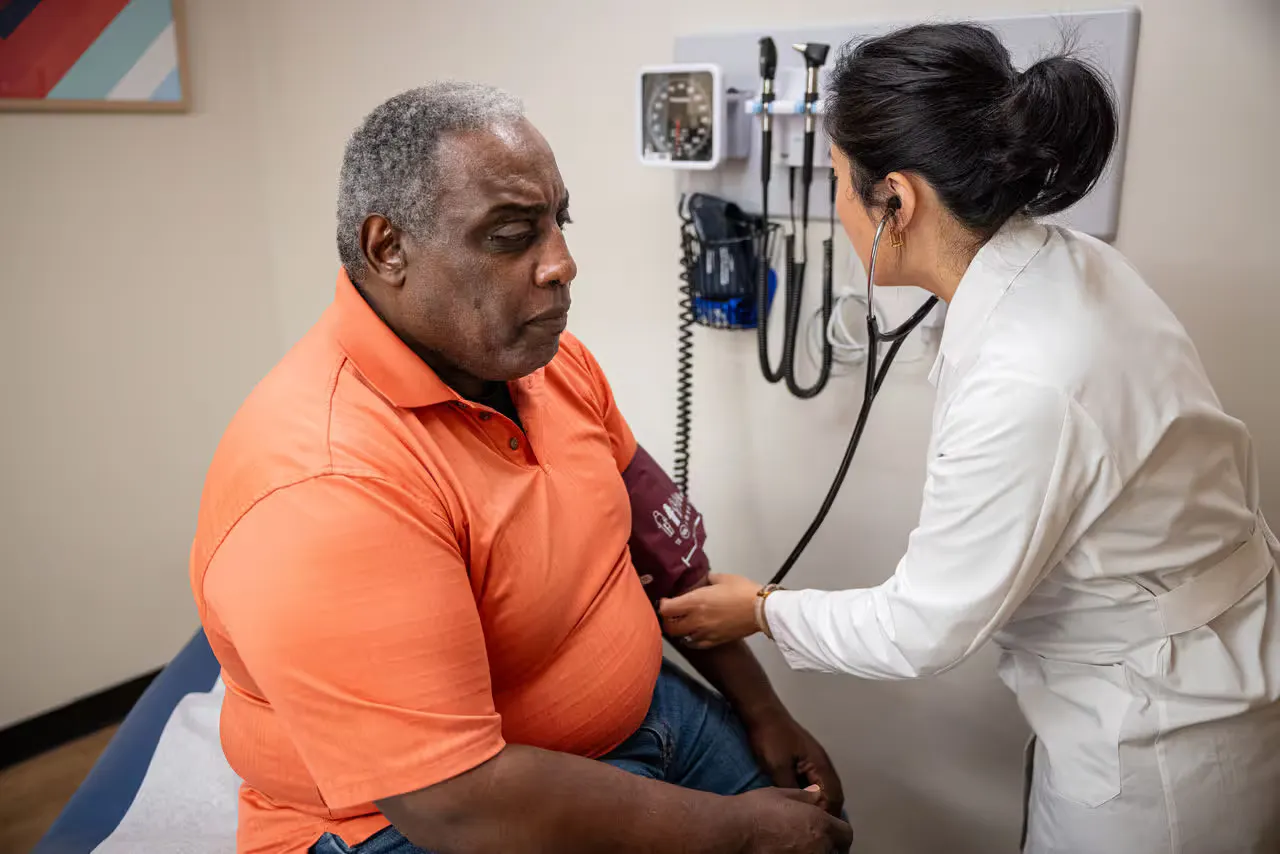
It combines lifestyle coaching and nutritional guidance with FDA-approved weight loss medications, known as GLP-1s, when clinically appropriate.
Arizona health plan continues its longstanding support of cardiovascular research and prevention at the Phoenix Heart Walk.
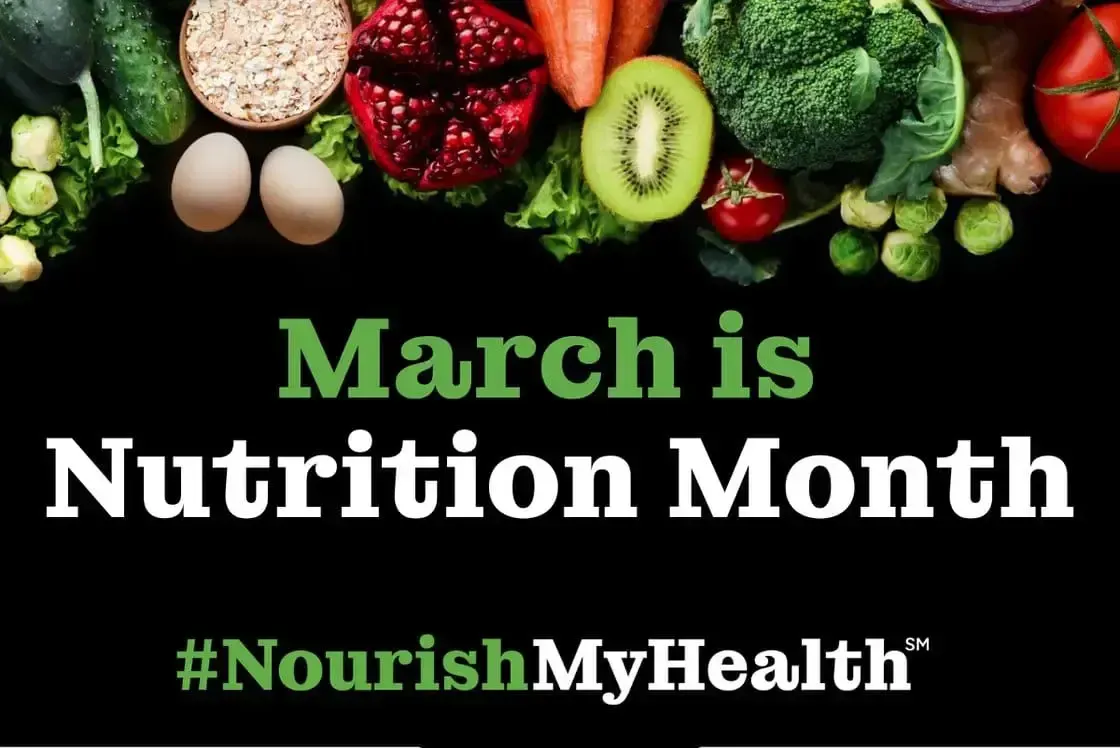
Through its Nourish My Health initiative, NACDS emphasizes pharmacies as accessible hubs for personalized nutrition guidance and preventive care.
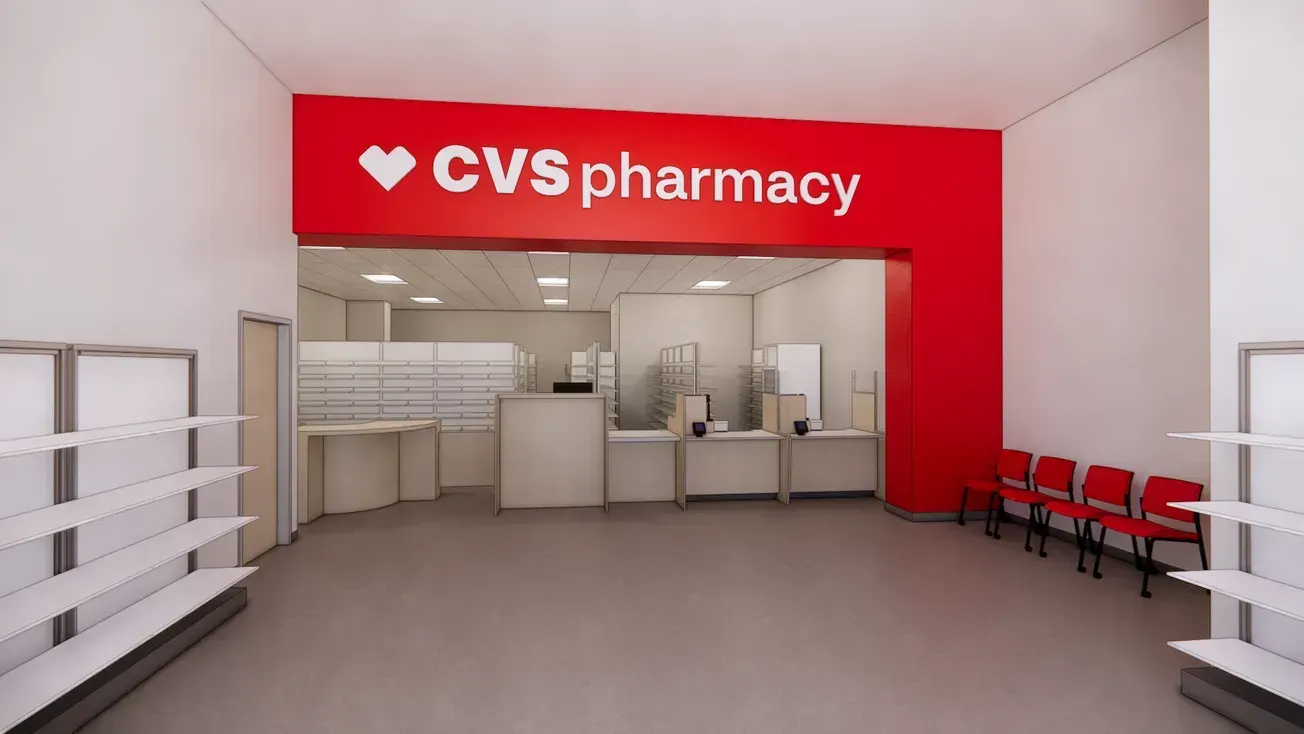
CVS stated that the concept aims to enhance access to medications, immunizations, and pharmacist-provided services, especially in underserved communities.

"Whether it's making mental health support more accessible, ensuring quality dental care, or offering significant monthly savings, these new benefits are designed to meet the evolving needs of our members."
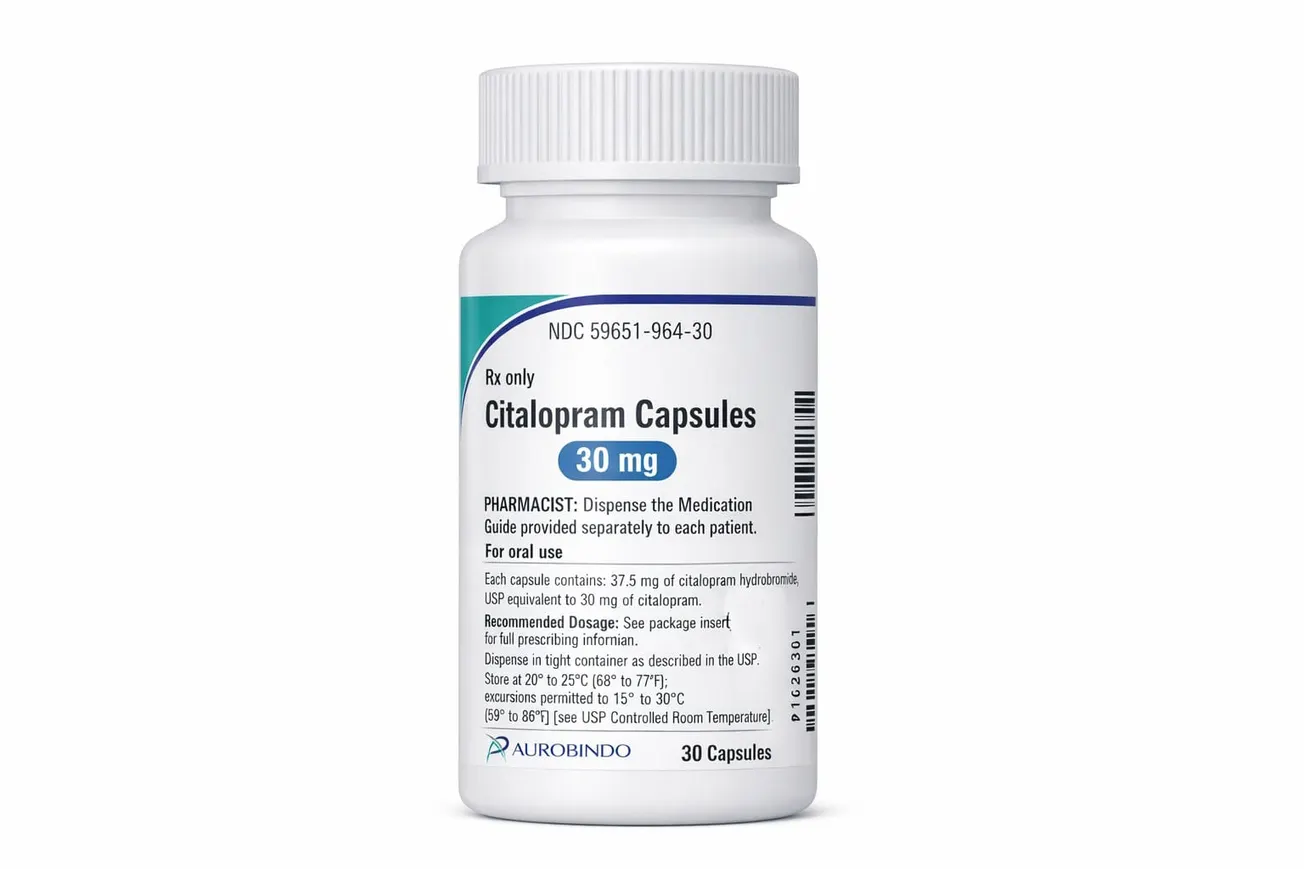
Citalopram Capsules are indicated for the treatment of Major Depressive Disorder (MDD) in adults.
Each strikeout will trigger a donation from AbbVie to support Stand Up To Cancer.
The donations support community programs that directly address persistent barriers to care faced by rural communities.
Cencora reaffirms fiscal 2026 financial guidance.
Hemingway Hall has served on the Cardinal Health board since 2013.

New $5 Per Member Per Month (PMPM) bundle delivers personalized support for weight management, diabetes, and medication matching
This approval for Wegovy further expands its already robust label inclusive of multiple formulations, including Wegovy pill, and indications not available with other GLP-1 weight loss medicines.
Move will position embecta to participate in the rapidly expanding market for drug-delivery devices supporting generic and branded therapies and accelerate transformation into a broad‑based medical supplies company.
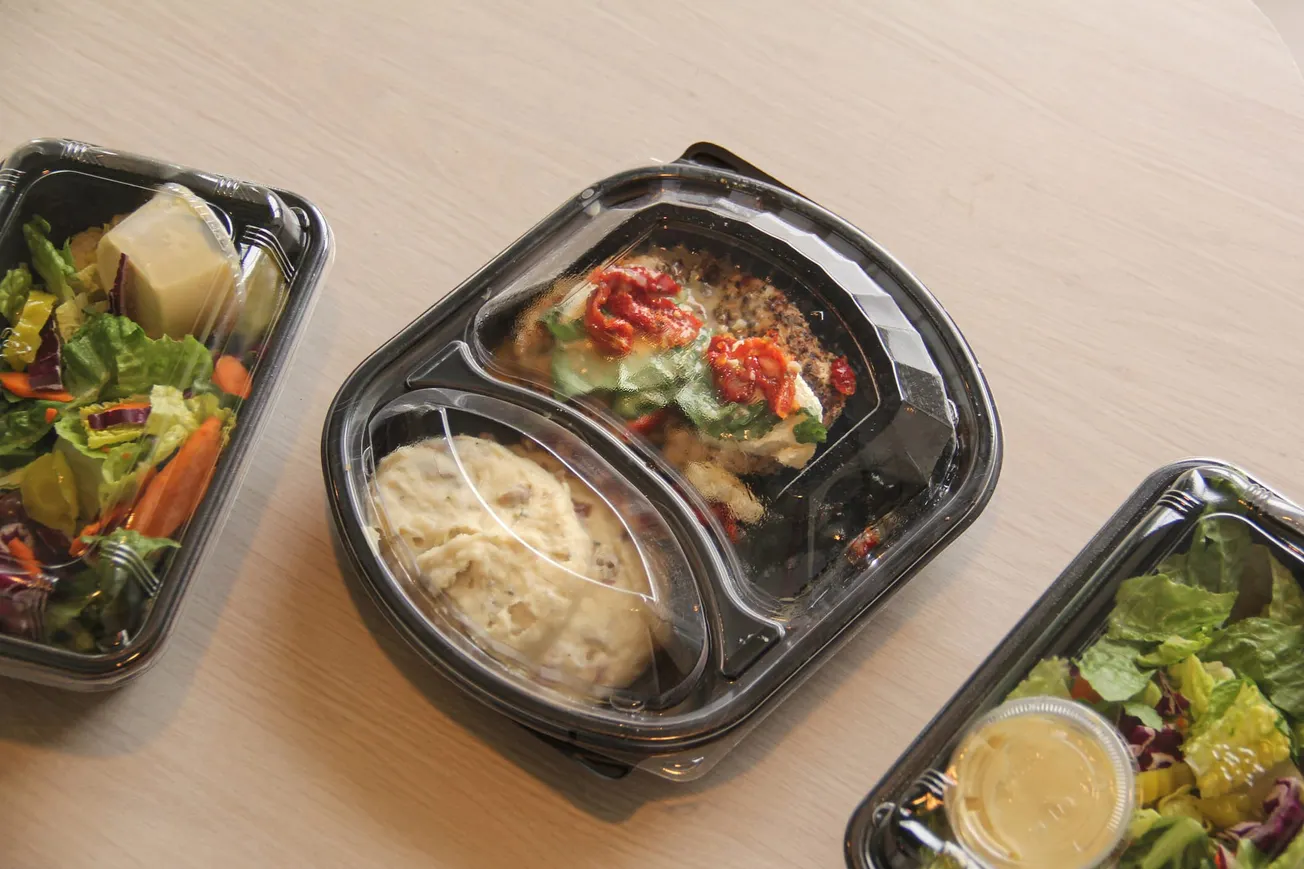
Program to support eligible Medicaid enrollees with diabetes in rural Kentucky with tailored initiatives to support nutrition security and chronic disease management

BoomRx’s platform consolidates access to products from both 503A compounding pharmacies and FDA-registered 503B outsourcing facilities.