

2026 Resolutions Report: Wellness goals meet wallet reality
Many are refocusing on nutrition basics: staying hydrated, eating more fruits and vegetables, limiting added sugar and processed foods and aiming for balanced meals.
Many are refocusing on nutrition basics: staying hydrated, eating more fruits and vegetables, limiting added sugar and processed foods and aiming for balanced meals.

Wearable technology offering real-time metabolic feedback, including watches, rings and continuous glucose monitors, are the most revolutionary health technology of the future.

Getting a strong early start, consumers embraced convenience and connection through the season.

The company will reveal a new independent global study surveying 5,000 consumers across the UK, Germany, France, Italy, and the US, conducted in October 2025.

Combined, Black Friday Week and Cyber Week resulted in a 2% dollar and nearly 5% unit decline from last year.

Super Saturday shoppers are expected to embrace multiple channels this year, with nearly half, or 71.6 million (45%), planning to shop both in-store and online

As Americans age, their understanding of nutrition and health evolves, and the latest survey from the National Council on Aging and the BOOST brand reveals both strengths and gaps in that knowledge.

From intermittent fasting to GLP-1s, Americans are rethinking how they lose weight—and what "healthy" really looks like.

The report highlights rising demand for beauty-from-within solutions, clinically supported ingredients, and personalized wellness as key growth drivers.

About one in five consumers purchased fragrance as a holiday gift last year, and purchase intentions are even higher this year.
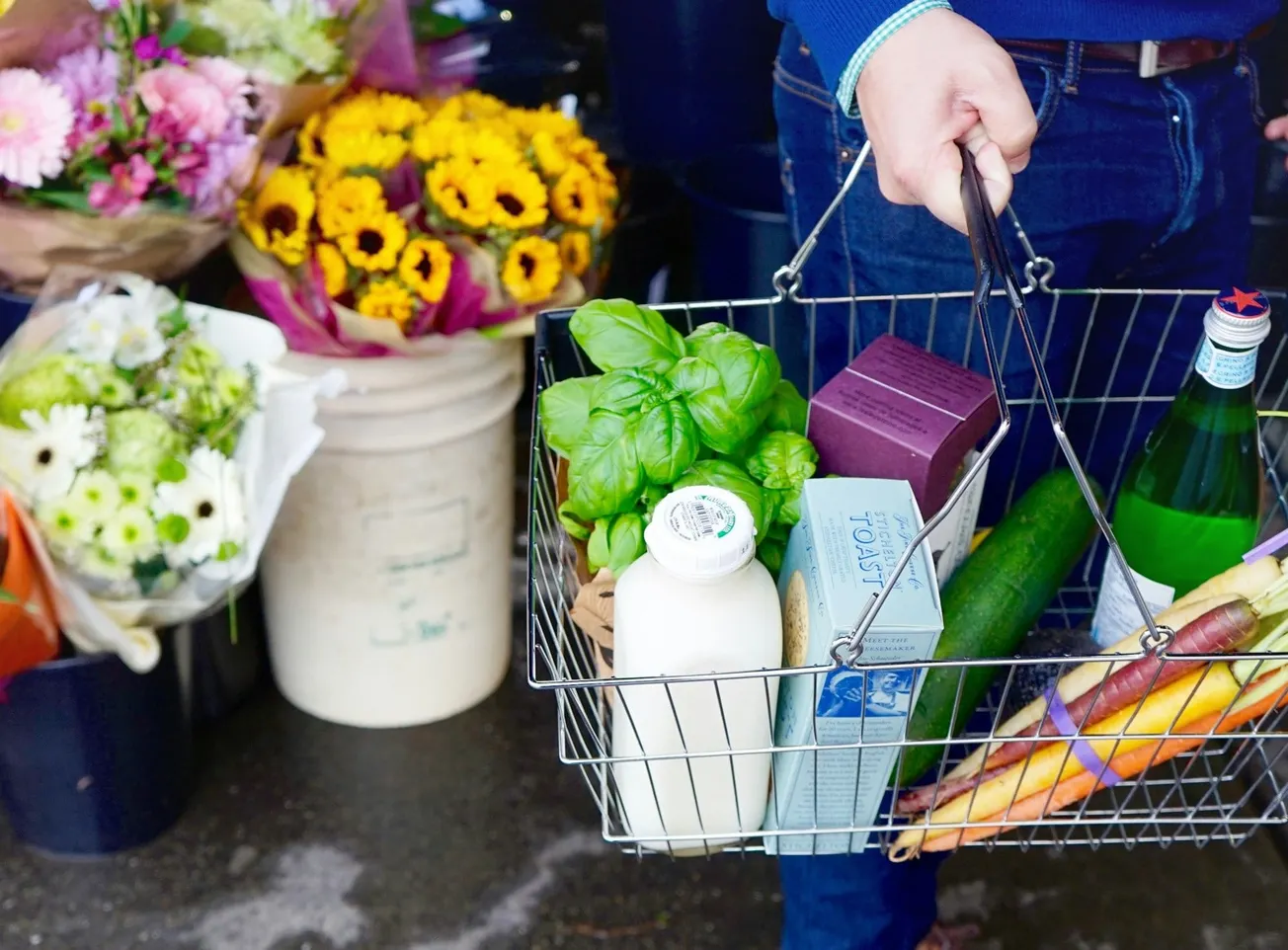
The FoodHealth Score assesses purchases based on nutrient density and ingredient quality.

The judge found the administration’s partial funding insufficient and warned that food banks and community organizations are struggling.

Consumer confidence stays weak, especially among low- and middle-income households, who are sharply cutting discretionary spending.

HDA’s latest benchmarking report shows specialty distributors facing growing logistical demands as specialty drug spending climbs to $417 billion.

U.S. consumers increasingly prefer natural, clean label, and botanical ingredients in supplements, foods, beverages, and personal care.

The 2025 report shows a collapse in marketplace civility, a rise in digital confrontations, and growing frustration with customer service systems.