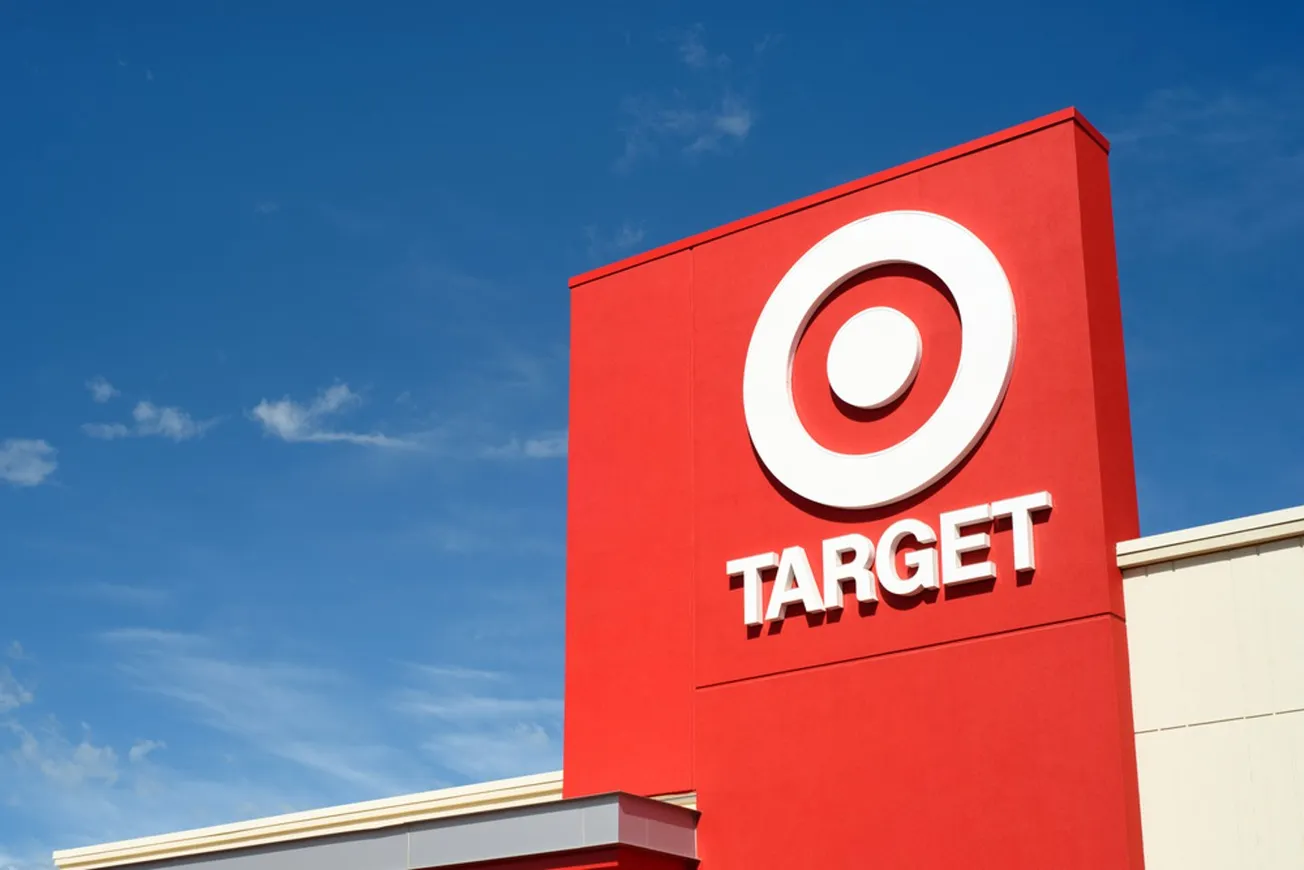
MINNEAPOLIS — Target, which on Tuesday reported its 13th straight quarter of weak or declining sales, has announced a multi-year plan that calls for new investments in stores, technology, and merchandising.
 CDR
CDR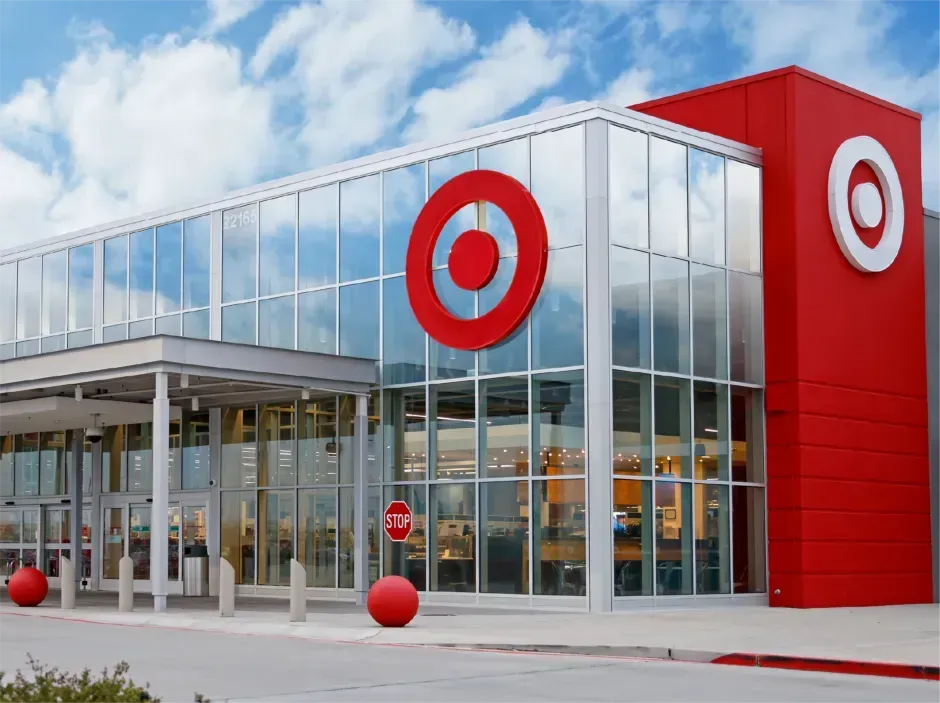
Speaking at the company’s financial community meeting, CEO Michael Fiddelke said the plan centers on sharpening Target’s identity as a retailer that blends style, design, and value while improving the in-store experience and accelerating the use of technology.
“This new chapter of growth at Target is defined by clear choices and rooted in a deeper understanding of our unique lane in retail,” Fiddelke said. “By putting style, design and value at the center of every decision, we’re making big changes to lead with a trend-forward assortment, elevate the guest experience and accelerate with technology.”
A key component of the strategy is a planned $1 billion incremental operating investment in 2026 to improve consistency and elevate the customer experience across the chain.
The spending will fund extensive store updates — described by the company as more changes to its stores than in any year in the past decade — including revised floor plans and upgraded displays designed to spotlight new merchandise, top items and brand partnerships.
Target will also invest hundreds of millions of dollars in additional store payroll and training to strengthen service and help teams deliver a more consistent in-store experience.
At the same time, the retailer plans to increase spending on brand marketing and new technologies, including artificial intelligence.
Capital investment will also rise. Target expects to spend about $5 billion in capital expenditures in 2026, more than $1 billion higher than previously planned, to support store expansion, remodels, supply chain upgrades and technology initiatives.
The company plans to open more than 30 new stores this year and remains on track to add 300 locations by 2035. Later this month, Target will open its 2,000th store in Fuquay-Varina.
Focus on Key Categories
Central to Target’s strategy is strengthening several product categories where executives believe the retailer has a competitive advantage.
In Home, Target plans to relaunch its flagship owned brand Threshold this summer while introducing shop-in-shop displays in 200 stores highlighting seasonal décor and on-trend styles.
In Beauty, the retailer will expand its assortment of premium and emerging brands, and pilot enhanced service models. Later this year, it plans to debut Target Beauty Studio, a new immersive shopping destination designed to showcase prestige brands in an elevated environment.
The company is also refreshing its Baby department with improved product displays, expanded offerings from its Cloud Island owned brand and a new Baby Boutique concept featuring premium partners such as UPPAbaby, Bugaboo, Doona and Stokke.
Other initiatives include expanding the grocery assortment with nearly 50% more new products, introducing cereals without certified synthetic colors, and broadening its health and wellness assortment with thousands of additional items.
Target also plans to accelerate trend-driven fashion in women’s apparel, with an emphasis on denim, everyday essentials and frequent designer partnerships.
Technology and Digital Expansion
Technology will play a central role in the strategy, with Target expanding the use of AI to support personalization and operational efficiency.
The retailer will continue to develop its Target Circle loyalty program while expanding its paid membership offering, Target Circle 360. The company’s retail media network, Roundel, and its third-party marketplace, Target Plus, are also expected to see additional growth.
Target will also expand its next-day delivery services by adding 20 new metropolitan areas this spring, while continuing to invest in same-day options like Drive Up and Order Pickup. These services already make up about two-thirds of Target’s digital sales.
Together, the initiatives mark the most comprehensive strategic reset since Fiddelke took charge earlier this year, as the company aims to regain sales momentum and strengthen its brand identity in a highly competitive retail market.
Submit Your Press Release
Have news to share? Send us your press releases and announcements.
Send Press Release