NEW YORK — Health today goes far beyond the traditional annual checkup, and the era of one-size-fits-all diets and exercise plans is over. Wearable technology—watches, rings, straps, and more—now tracks vital health metrics around the clock. Many of us start the day with a detailed sleep analysis and end it with personalized recommendations for tomorrow’s activity levels.
With an overwhelming amount of health data, cutting-edge technologies, advanced medications, and innovative wellness products, today’s health-conscious consumers have more choices—and more guidance—than ever before. To help make sense of it all, the Health team at U.S. News & World Report surveyed 58 experts, including physicians, registered dietitians, and health researchers. We asked them about diet, nutrition, healthy living goals, and the top health trends to watch in 2026.
"The expansion of GLP-1 medications is the most significant health trend our experts anticipate for 2026, largely because we are seeing these drugs be used for health conditions far beyond their origins in diabetes and weight loss. Now, experts are seeing their impact on managing heart disease and kidney disease, and there are even promising studies about the use of GLP-1s for addiction treatment," said Annika Urban, health editor at U.S. News & World Report.
She noted that while GLP-1s lead the way as the top emerging health trend, they are being closely followed by a renewed focus on 'Food as Medicine.' "And these trends are deeply integrated with each other. As more people use GLP-1 medications, the quality of their diet becomes more critical, not less. The focus on fiber-rich, whole foods to prevent and manage chronic disease is becoming a necessary companion to pharmaceutical intervention. When we treat nutrition as a core component of medical care, we can have the most significant impact on health."
She continued "the integration of artificial intelligence with wearable technology will give us personalized recommendations based on the immense amount of health data that is collected by our watches, rings, continuous glucose monitors and even technology-enhanced clothing. This year, experts say we'll see artificial intelligence being used to process all of that data and provide us with recommendations, like hyper-personalized meal plans that are based on our biometric data (sleep, stress, activity, etc.)."
Top Health Trends for 2026
Experts were asked which emerging health trends would make the most significant impact in 2026, voting for their top two trends from a total of nine. The three with the most votes were:
1. Expanded use of GLP-1s (52%)*
2. (tie) AI integrated with wearable technology (38%)
2. (tie) Food as medicine (38%)
*To evaluate the top trends for 2026, experts were asked to select two responses from a set of nine options. The percentages listed reflect the percentage of experts on the panel who chose each option as one of their two top trends for 2026.
No. 1 Health Trend: GLP-1 expansion
Experts chose the increased use of GLP-1 medications for health conditions as the top health trend for 2026.
The conversation around GLP-1 medications like Ozempic, Wegovy and Mounjaro has dominated the health landscape in recent years. GLP-1 medications were hailed as a weight loss miracle drug. More recently, their use has broadened beyond just obesity and Type 2 diabetes.
GLP-1s are becoming a veritable Swiss army knife for chronic disease management, with potential impacts ranging from heart health and kidney disease to fertility, arthritis and even addiction treatment. Some experts have even hailed GLP-1s as the first longevity drugs, ushering in a new era of disease prevention.
About 1 in 5 U.S. adults have used GLP-1 drugs like Ozempic or Wegovy, with usage rates increasing as costs continue to go down and pill forms of the injectable medications are approved.
“I think the explosion of GLP-1s use will continue, and with the cost decreasing, increased utilization will increase our understanding of the benefits and use for other health issues,” says Melina Jampolis, internist and board-certified physician nutrition specialist.
“GLP-1s continue to gain popularity with patients because it provides hope and the jump start for weight loss,” adds Alefiya Faizullabhoy, a registered dietitian and manager of the diabetes in pregnancy program at Northwell Health. “GLP-1s have shown to have cardiometabolic advantages, and likely as such a large part of funding towards research for GLP-1s is ongoing, there will be emergence of findings that GLP-1s have other advantages as well.”
Plus, the ripple effect that these drugs have is far-reaching. People on GLP-1 medications find themselves wanting to eat less food overall, which makes the foods that people do choose to eat even more important. The cumulative nutrients that you’d consume in a day must now fit in a smaller package.
As a result, GLP-1s have ignited change across the entire health ecosystem. This includes industries offering a wide array of companion products:
- Meal planning for muscle retention
- Personalized supplementation to avoid nutrient deficiencies
- Supplements to minimize side effects, such as constipation
GLP-1s are fundamentally reshaping health care, leading experts to identify them as the most impactful health trend of 2026.
No. 2 (tie): Integration of AI with wearable technology
The integration of AI with wearable tech for dietary tracking and coaching was the second-most voted trend for 2026.
The devices that used to tell us simple health information, like how many steps we’d walked or how many calories we’d burned, are now using artificial intelligence to give us even more information in real time – along with personalized recommendations and tips to improve sleep, stress management and physical activity.
Experts on the panel predict that AI will become further integrated with the health information that our technology already collects and will be used to help guide health behavior change.
However, the panelists also note that understanding all this additional information requires working together with a health care practitioner to be most effective. For example, blood sugar measuring devices are often misinterpreted by consumers who don't realize blood sugar spikes are normal after a meal.
“AI is being used in every pathway, and using it as a tool will become a part of daily existence,” says Faizullabhoy. “It may be used with wearable feedback devices to provide 'in time' association between food consumption and effect on, for example, glucose and other metabolic markers.”
With so much data and technology at your fingertips, a single health behavior change or goal might start to feel like falling down a biohacking rabbit hole. This year, while surrounded by more information and opportunity than ever before, it’s crucial to stay grounded in the basics, like nutritious whole foods, good sleep and physical activity.
Examples of wearable devices and what they can track
No. 2 (tie): Food as medicine
Greater use of the “Food as Medicine” approach tied for the second-most voted health trend for 2026.
As some experts pointed out, this concept isn’t necessarily new. Viewing food as “medicine” broadly recognizes that the foods we consume directly impact our health, but the popularity of the concept signals renewed emphasis on returning to the basics of whole, nutritious food.
Using food as medicine and incorporating this approach in health care clinics as part of a treatment plan for various chronic diseases is gaining popularity and success, noted several experts.
“There’s a growing shift toward viewing food as medicine, with fewer people relying solely on supplements and instead prioritizing whole nutrient dense foods,” explains Sumar Kullab, a Chicago-based registered dietitian.
What’s not trending in 2026?
Just a few years ago, we would have expected to see plant-based foods, sustainable sourcing and meat alternatives at the top of this list. Yet those trends came in at the bottom of this year’s survey.
“We are seeing many formerly plant-based restaurants and plant-based influencers incorporate animal products they feel are sustainable and ethical,” says Dahlia Marin, a registered dietitian, certified gastrointestinal nutritionist and CEO of Married to Health. “The market has changed and fully plant-based diets are no longer as highly favored as they once were.”
Three categories remain at the bottom of the list:
- Only 7% of experts chose increased focus on sustainable and ethical food sourcing.
- Only 5% chose greater adoption of plant-based and lab-grown meat alternatives.
- Only 5% chose hyper-personalized meal delivery services.
Most Important Health Technology in 2026
A majority of the expert panelists (60%) agreed on a single technological enhancement that they believed would most revolutionize dietary advice and adherence over the next few years.
Wearable devices offering real-time metabolic feedback are the health technology of the future. They offer immediate, personalized insights on how the body (blood sugar, metabolic markers) responds to food, exercise and stress, which is essential for informed, actionable choices and reinforcing positive behavior change.
“From my perspective as an RDN, wearable devices like continuous glucose monitors (CGMs) and Oura rings offer an unmatched advantage,” says Raksha Shah, a registered dietitian and the founder of Wisebite Nutrition. “They provide immediate, personalized insights that empower individuals to make informed, actionable choices about their diet and lifestyle.”
“Wearable technology that provides real-time metabolic data has the potential to fundamentally change how we give and follow nutrition advice,” adds Wendy Bazilian, registered dietitian nutritionist and certified exercise physiologist. “Instead of relying on recall or generalized guidelines, people can see how their own glucose, heart rate variability or activity patterns respond to certain foods, sleep habits or stress.”
Another point experts agree on is the need for professional guidance to support lifestyle changes and help interpret the incredible amount of data that these devices provide.
“When interpreted with guidance, and not not in isolation, it can make behavior change more personal, timely and potentially sustainable,” Bazilian says.
Two other health technologies – advanced food tracking apps (like Yuka, a now-ubiquitous app for those who love nutrition data) and at-home testing kits for allergies, gut health and more – both received significant votes as well. However, experts caution that at-home food allergy testing is frequently unreliable, and other at-home tests are based on very little scientific testing or evidence, if any.
Successful Health Goals
To stay healthy in a candy land of health products and data, you’ll just need to walk the path one step at a time.
When asked about the most effective strategy for sticking to New Year’s health resolutions, 65% of experts chose making small, incremental changes as one of the top two most important things.
So, rather than starting a brand-new fitness routine on January 1st, complete with ice baths, a new weight-loss drug and diet, try one thing at a time. For example, adding fruit to your breakfast and lunch. If you’re tracking, you might be surprised to see how your biometric data changes from small lifestyle habits.
As you’re making your resolutions, consider these other expert-recommended tips:
- 45% of experts included having a support system for accountability in their recommendations.
- 40% included setting SMART (specific, measurable, actionable, realistic and time-oriented) goals in their recommendations.
What New Year’s resolution should I make in 2026?
Experts were asked to rank which New Year’s resolution types are the most sustainable and impactful.
- The first-choice goal of over half of the experts (52%) was “Adding more beneficial foods (e.g. vegetables and whole grains).”
- The least popular goal among the expert panel was “weight loss,” with 48% of experts ranking it last among the choices.
The Best Way to Reduce Chronic Disease
In 2023, a representative sample study reported that 76% of adults in the United States have one or more chronic health conditions, which include obesity, heart disease, diabetes, arthritis and kidney disease. Diet plays a major role in the prevention and management of chronic disease, from diets for diabetes to anti-inflammatory protocols for autoimmune disease.
So we asked our experts, what’s the single-most important nutrition recommendation for reducing chronic disease?
The overwhelming winner (with 38% of the votes): increasing fiber intake to reduce risk of colorectal cancers, promote digestive health and aid in weight management.
Colon cancer in young adults has recently been on the rise, and a high-fiber diet rich in legumes, nuts, seeds, fruits, vegetables and whole grains can help reduce risk of colon cancer. It may explain one recent social media trend: fibermaxxing, increasing daily fiber intake to maximize its health benefits.
The Most Effective Nutrition Strategies for 2026
Chronic disease management remains in the spotlight when experts recommend nutrition plans for 2026.
Overwhelmingly, experts (69%) chose the Mediterranean diet as the most effective dietary approach for long-term health and weight management, which is no surprise, given its long reign as U.S. News & World Report’s Best Diet.
“The Mediterranean dietary pattern remains my first choice because it’s one of the most rigorously studied approaches in nutrition science,” says Bazilian. “Research has shown meaningful benefits for cardiovascular health, metabolic function and cognitive aging. In my clinical practice, it’s also one of the few patterns that people can adapt to their real lives without feeling like they’re ‘on a diet,’” she says.
What makes the Mediterranean diet so effective? 90% of experts say it’s the diet’s emphasis on high intake of fruits, vegetables, whole grains and legumes.
To break it down even further, it’s the legumes that experts say to focus on. In fact, 50% of experts noted that the most important practical tip they would offer to patients/clients looking to adopt a more Mediterranean-style eating pattern is eating more legumes, which are beans, peas and lentils.
Plant-based diets
Overall, 97% of experts said that a well-planned plant-based diet like the Mediterranean was “highly” or “moderately” beneficial to overall health.
“When well-planned, a plant-based diet has been documented to nourish even elite athletes and has less of an impact on the environment,” noted one reviewer.
When starting a plant-based diet, experts selected that the biggest challenges would be meal preparation and planning (50%), as well as ensuring adequate protein intake (22%). To get started on a plant-based diet, our experts overwhelmingly recommend (43%) starting slowly. For example, add one meatless meal per week.
Top nutrients to follow on a plant-based diet
If you’re starting a plant-based diet in 2026, experts recommend monitoring a few key nutrients:
Overall nutrition recommendations
Experts also selected their top overall nutrition tips, which align with their advice on Mediterranean and plant-based diets:
- 38% chose “focus on whole, unprocessed foods” as the top tip.
- 28% chose “focus on plant-based foods” as the top tip.
- 17% chose “practice portion control” as the top tip.
Bottom Line
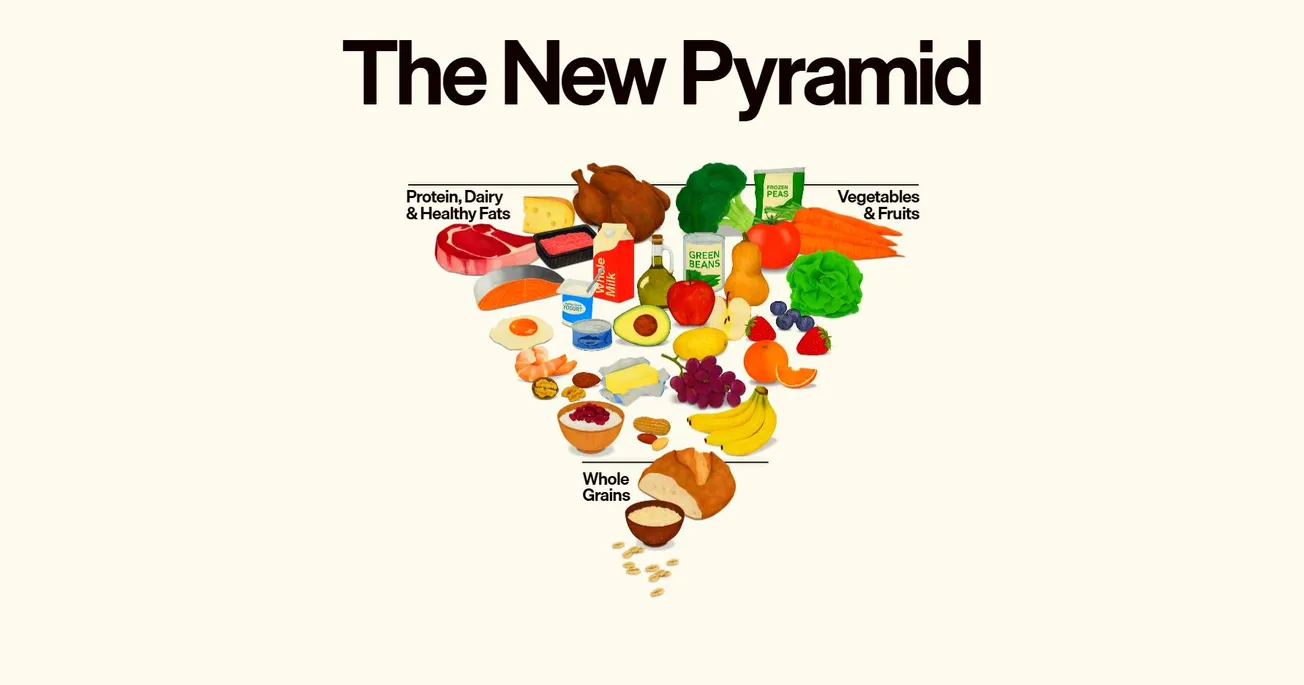
The standbys of healthy eating aren’t going anywhere. Real, whole foods like fruits, vegetables and whole grains are universally beneficial, and the Mediterranean diet proves time and time again to be a favorite of doctors, dietitians and researchers.
This year, as GLP-1 drugs continue to gain popularity, be on the lookout for their impact on a wide range of chronic health conditions, and take note of the ripple effect they cause. As more health data and technology becomes available, it’s natural to feel overwhelmed.