By John Murphy III, president and CEO of the Association for Accessible Medicines.
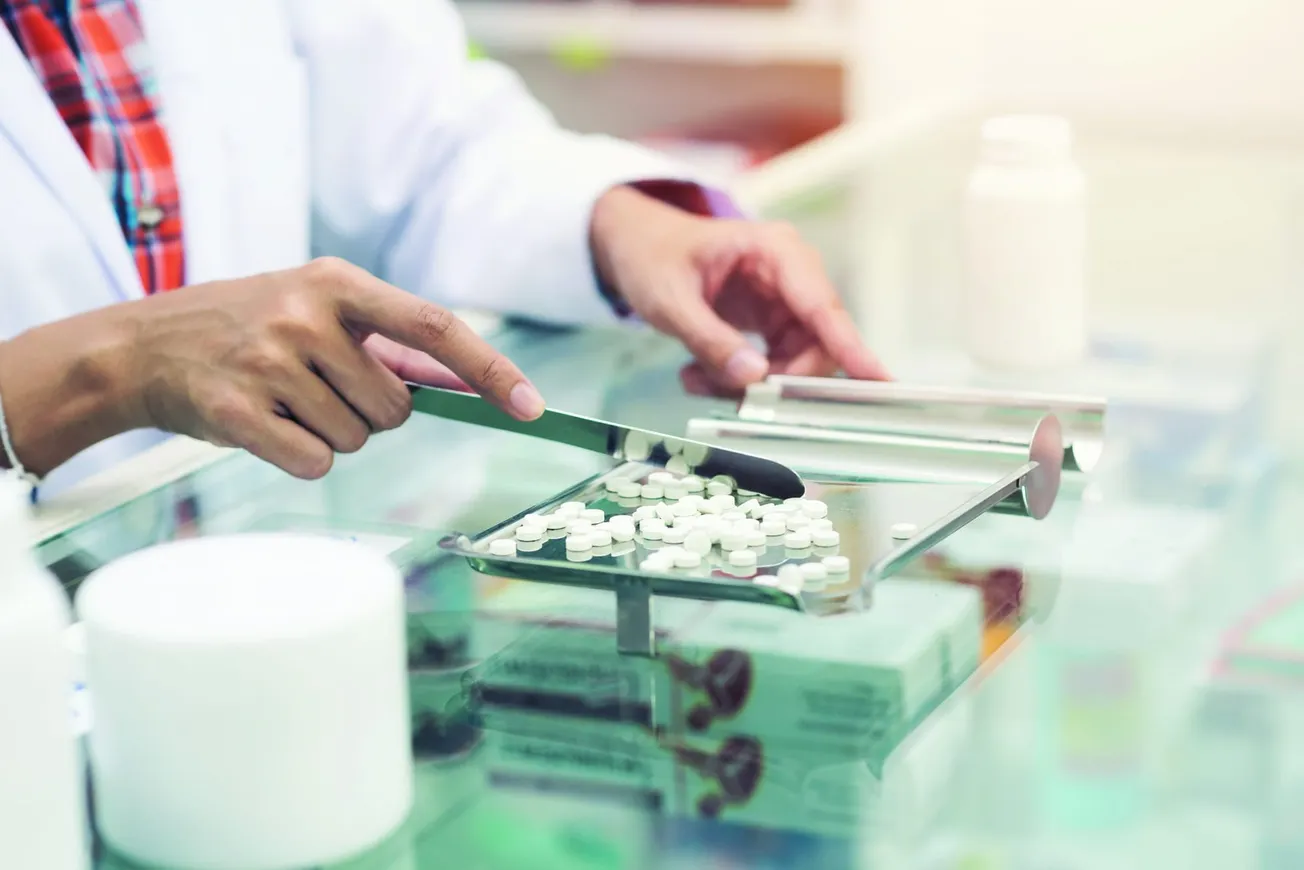
As we step into 2026, the truth about American drug affordability remains unchanged. Nothing delivers more savings or more access than generic and biosimilar medicines, the steady workhorse of our health care system. Generics and biosimilars account for roughly 90% of all prescriptions filled across the United States but represent only 12% of drug spending and less than 2% of overall health care costs. In 2024 alone, generics and biosimilars produced more than $467 billion in savings, with more than $3.4 trillion saved over the past decade.

|
Yet those rosy numbers mask growing vulnerability. Generic competition remains the single most effective way to lower drug costs, but the marketplace that supports it is weakening. Biosimilars continue to expand, but their development pipeline is far too thin to meet future demand. And PBM and reimbursement practices continue to place lower-cost medicines at a structural disadvantage. The result is a health care system under stress.
A Turning Point for Biosimilar Policy
One of the most consequential developments for patients this past year came from the federal government. In October, the Department of Health and Human Services and the Food and Drug Administration announced sweeping reforms to accelerate biosimilar development and modernize the approval pathway.
The agency’s new draft guidance reduces reliance on expensive, low-value comparative efficacy studies and allows developers to use state-of-the-art analytical and functional testing rather than conducting clinical trials that add cost without improving scientific certainty. It also signaled a shift away from switching studies for interchangeable biosimilars, marking a major departure from prior policy and a move that brings the U.S. closer to global standards. These reforms were among the most significant milestones of the year.
Generics: Enormous Value, Growing Strain
The generic marketplace is a story of both extraordinary value and growing fragility. While Americans fill more generic prescriptions than ever, the overall value of generic sales has dropped by $6.4 billion since 2019. This severe price deflation may look like success at a glance, but it increasingly reflects reimbursement levels that are dropping below the cost of production. Unprofitable market conditions contribute to drug shortages and threaten the long-term viability of domestic manufacturing.
The generic sector’s role in lowering costs is undeniable. Generics consistently deliver year-over-year price decreases, and they remain the only segment of the drug market that reliably pushes costs down rather than up. But these same deflationary pressures are eroding the economic foundation needed to sustain manufacturing capacity. Without targeted policy modernization, we risk losing exactly the products that make the U.S. system affordable. Increased sustainability is also the only reasonable way to increase domestic manufacturing to protect our supply chain and ensure access to critical medicines.
Biosimilars: Momentum Coupled With Structural Risk
Biosimilars also delivered major gains in 2025. Provider confidence continues to rise, new molecules entered the market, and competition produced billions in savings, including more than $20 billion in 2024 alone. But the longer-term outlook is clouded by what the Biosimilars Council has identified as the “biosimilar void.” Of the 118 biologics losing patent protection between now and 2034, only 12 have biosimilars in development, representing just 10% of future opportunities.
This void reflects a marketplace still distorted by rebate structures that favor higher-priced brands, reimbursement formulas that leave providers underwater when they choose lower-priced biosimilars, and policy uncertainty created by the Inflation Reduction Act. Without structural reform, the U.S. will continue missing out on savings that many other nations already routinely capture.
The PBM Problem Remains Central
PBM practices continue to block or delay access to lower-cost medicines. Formularies too often prioritize products with the largest rebates rather than the lowest prices. Newly approved generics wait months, and sometimes even years, for coverage, even when they have the potential to generate immediate savings. And biosimilars priced 80% lower than biologic reference products can spend their first year on the market halted by PBM practices, leaving them stuck behind the very drugs they were meant to replace.
A Clear Path Forward
As we look ahead to 2026, our policy focus is centered on restoring balance to the system and protecting patient access. The path forward is clear: Streamline FDA processes for generics and biosimilars; update the BPCIA so that all biosimilars are deemed interchangeable; curb patent abuses that extend monopolies far beyond their intended terms; modernize reimbursement so providers are not penalized for choosing lower-cost products; reform PBM business models that prioritize rebates; and refine IRA implementation so price controls do not inadvertently suppress competition.
The progress we made in 2025 is real and meaningful, particularly with FDA’s commitment to modernizing biosimilar development. But much more must be done. Protecting the long-term viability of this system will require sustained policy attention, modernization of outdated frameworks and a willingness to confront entrenched interests that benefit from the status quo. And with a healthy generics and biosimilars market, America’s patients will have a greater opportunity to thrive.
Association for Accessible Medicines and the Biosimilars Council remain committed to that work. The opportunity before us is significant. With the right choices, 2026 can be a year in which we build on this foundation and strengthen the future of affordable medicines for all Americans.
John Murphy III is president and CEO of the Association for Accessible Medicines.
Submit Your Press Release
Have news to share? Send us your press releases and announcements.
Send Press Release