By Thom Blischok
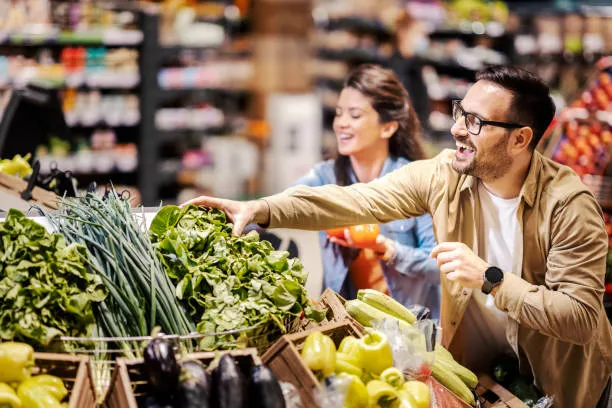
Have you ever noticed how the neighborhood grocery store down the block feels so much more personal than the big-box chains? That warm “hello” as you walk in, the familiar faces behind the counter, and the locally grown apples or handcrafted cheeses the shopper cannot find anywhere else — all of this adds up to an experience that is hard for retailers with thousands of locations to match. For independent grocers today, leaning into these very strengths — local community ties, one-on-one services throughout the store focused on enhancing the shopper’s experience, and carefully chosen products — while embracing smart, user-friendly technology, is the secret sauce for long-term independent grocer success.

Why hyper-local matters more than ever
In recent times, consumers are craving authentic connections and experiences — especially when it comes to the food brought to the table. Increasingly, shoppers want to know exactly where the vegetables were grown, whether the grains in the bread were raised sustainably, and how each ingredient contributes to personal and family health and wellness goals. Successful independent grocers build communities that celebrate transparency, support small producers, and place the shopper’s experience and well-being front and center. At the independent grocer, food shopping is not just buying; it is a bridge between the farmer, the grocer, the community and the land that nourishes. Winning independent grocers capitalize on hyper-local capabilities.
Future-forward strategies for independent grocery stores
• Leveraging community and personalization — Independent grocers are reclaiming retail’s heart by turning aisles into gathering places and transactions into conversations. How they are doing that:
• Celebrating and highlighting the local roots of the community they operate in — Put a spotlight on nearby farms, bakeries and artisans. Share their stories on shelf tags, social media or in-store events.
• Curating with intention — Focus on that perfect heirloom tomato, the small-batch chocolate maker or the specialty dessert maker down the street.
• Making every shopping experience personal — Simple digital tools can help an independent grocer track purchase patterns (with consent, of course) and send personalized coupons or recipe ideas.
• Hosting neighborhood happenings — From pop-up farmers’ markets and cooking demos to taste-test evenings with local brewers or wine makers, people come for the product and stay for the camaraderie.
• Adopting accessible technologies — Many of today’s digital platforms are built for businesses of any size, offering plug-and-play simplicity. Examples include:
• Consider unified commerce platforms. Look for systems that seamlessly blend online ordering, loyalty programs and in-store checkout.
• Implement hybrid shopping experiences — curbside pickup, in-store lockers or same-day local delivery options.
• Selectively prioritize AI-driven operations. Yes, AI is affordable, and it can revolutionize store operations, merchandising, supply chain and back-office functions.
• Expanding the business model — To boost revenue and keep pace with evolving consumer habits, consider branching into adjacent offerings:
• Private label products.
• Ready-to-eat solutions.
• Increasing brand promise transparency and trust.
Looking ahead
Independent grocers are storytellers, stewards of local traditions and gathering spots that knit communities together. By doubling down on neighborhood connections, expanded offerings and smart technology, grocers can guard against the one-size-fits-all approach of large chains. Remember: Your local edge is your strongest asset.
Thom Blischok is chairman and chief executive officer of the Dialogic Group LLC.
The full version of this article can be read at massmarketretailers.com/a-guide-to-viability-for-independent-grocers/