Well-being has moved beyond buzzword status to become one of the most powerful forces shaping global consumer behavior — and a major growth opportunity for retailers and brands. According to the latest Circana Wellbeing Report, U.S. consumers now spend $1.3 trillion annually on products and services that enhance physical, mental and emotional health, a figure that grew nearly 4% over the past year. What’s clear is that wellness is no longer confined to gyms and supplements — it’s a multidimensional, multigenerational pursuit that touches every sector from food and beauty to home care and entertainment.

The report highlights striking differences in how each generation defines and practices well-being. Boomers still anchor their routines in traditional physical health — prioritizing nutrition, mobility and disease prevention — while younger cohorts, especially Gen Z, are more focused on mental and emotional wellness. Eighty-three percent of U.S. consumers practice some form of self-care, and Gen Z’s approach blends digital fluency with community connection. YouTube, Instagram and TikTok have become self-care classrooms, fueling the discovery of products that promise not just better looks but better moods, sleep and confidence.
For retailers, this generational lens is essential. Boomers seek functional nutrition and products that enable active aging — think fortified foods, oral health innovations and pain relief solutions. Millennials look for balance and convenience, blending healthy choices with small indulgences. Gen Z and Gen Alpha, meanwhile, want products aligned with values — clean, crafted and credible — validated by both science and social media.
Wellness is also redefining product innovation. Functional foods and beverages are booming, from probiotic yogurts to protein-infused waters and “mental wellness” drinks designed to improve mood or focus. Circana’s data shows double-digit growth in these sectors, driven by consumers seeking energy, relaxation or immunity benefits through everyday consumption.
Clean-crafted products — free from harsh chemicals, allergens and artificial ingredients — continue to outpace category growth, whether in beauty, cleaning or skin care. Retailers that highlight ingredient integrity and sustainability cues are earning consumer trust and loyalty. At the same time, personalization, powered by AI and biometric data, is reshaping how consumers choose and manage their wellness routines. Wearables and digital diagnostics now guide choices in nutrition, supplements and fitness, creating opportunities for retailers to become trusted health advisors.
Mental wellness has emerged as an equally powerful driver. Fragrance, beauty and home care products are increasingly marketed as “mood boosters.” Activities like organizing, playing games or treating oneself to a favorite snack are seen as legitimate forms of emotional self-care. Even pets — owned by 62% of U.S. consumers — are now considered part of the well-being equation, offering companionship and social connection.
For retailers, the message is clear: Well-being is not a niche — it’s the new mainstream. It cuts across categories and unites consumers around a shared desire to live better, not just longer. The winners will be those that connect the dots between physical, emotional and community wellness — curating experiences, assortments and education that make healthy living accessible, affordable and inspiring.
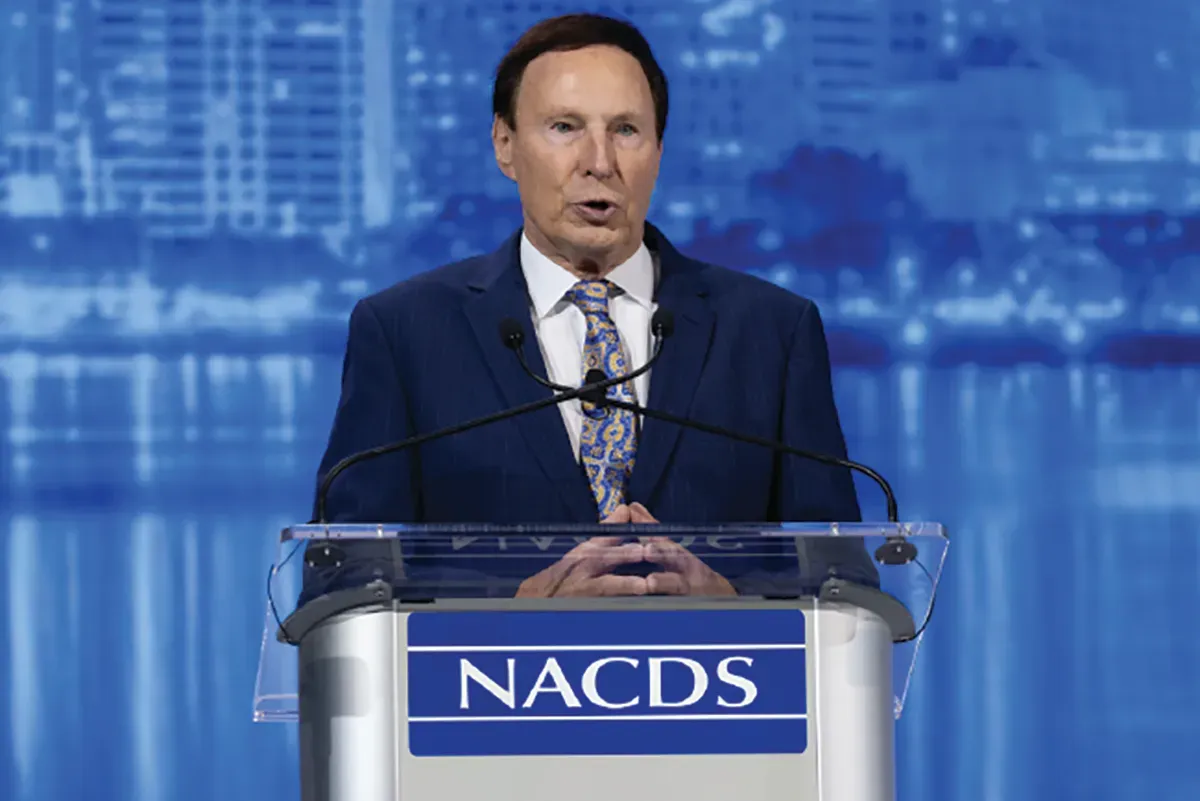
As Sally Lyons Wyatt of Circana put it, the next decade will belong to those who “help consumers achieve their longevity goals.” In that journey, retail isn’t just a place to shop — it’s where well-being lives.