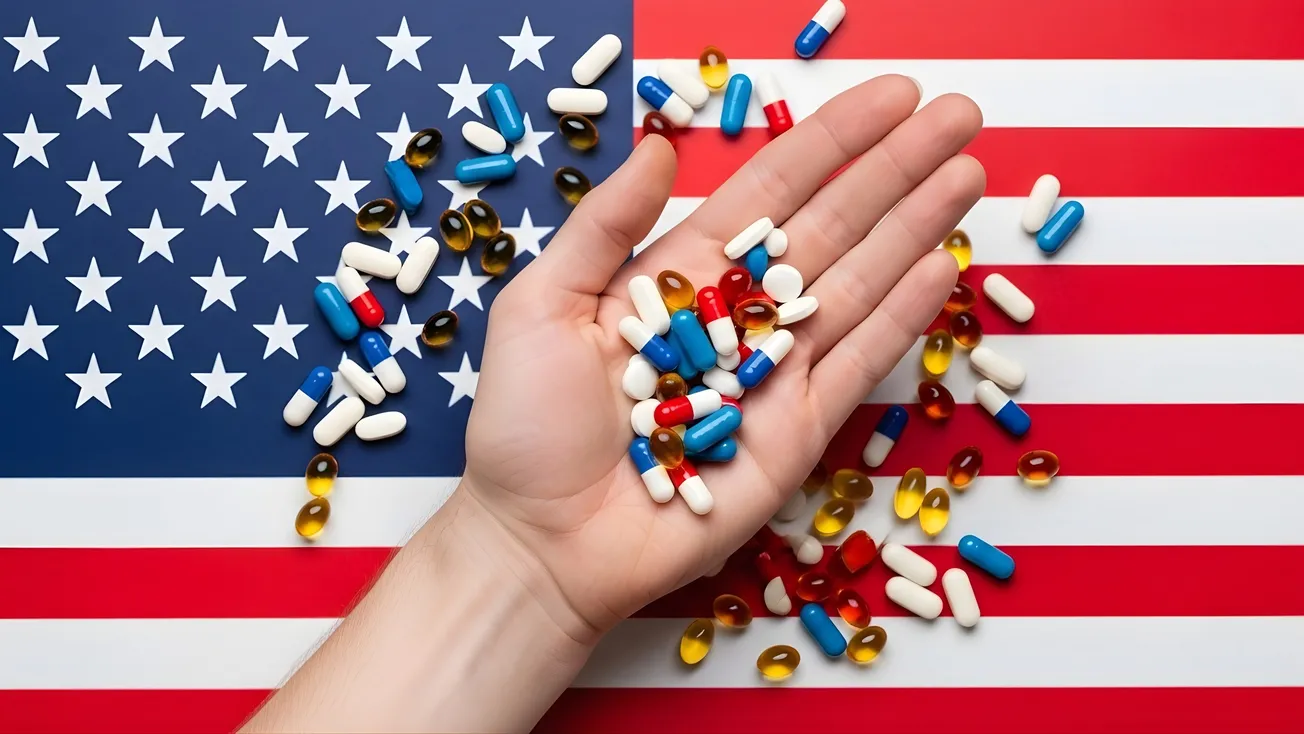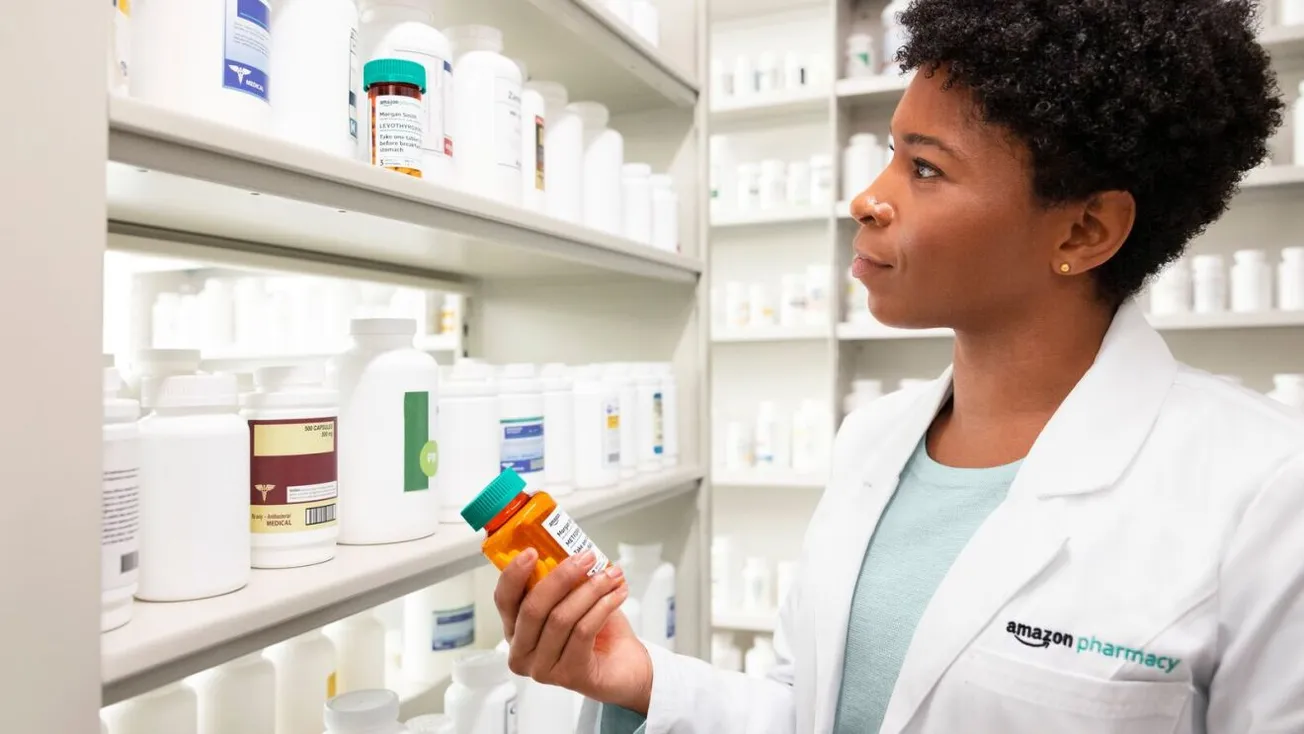
SEATTLE — Amazon Pharmacy says its prescription discount programs have delivered more than $100 million in savings to customers, primarily by automatically applying manufacturer-sponsored coupons for high-cost therapies, such as GLP-1 medications and insulin. The milestone highlights Amazon’s push to differentiate itself in a crowded pharmacy and drug-discount space, which is increasingly shaped by digital platforms and retail health competitors.
The company’s coupon integration is designed to overcome historically low uptake of manufacturer discounts, which patients use only about 15% of the time when available. “Finding and applying medication coupons has traditionally been a tedious, confusing process,” said Tanvi Patel, vice president and general manager of Amazon Pharmacy.
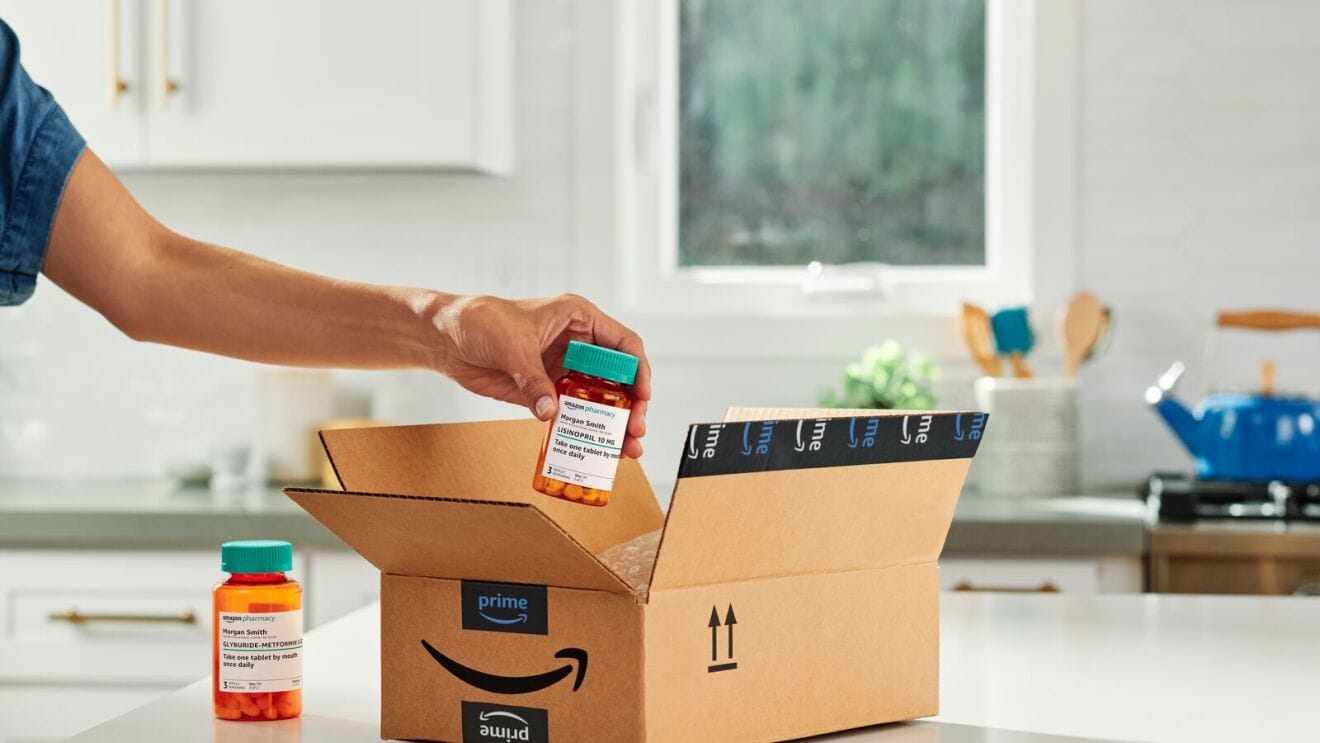
Alongside the coupon program, Amazon is leveraging PrimeRx discounts and its $5-per-month RxPass subscription for certain generics, while expanding same-day prescription delivery to more U.S. markets.
Still, the milestone comes amid ongoing scrutiny of drug affordability in the U.S. Manufacturer coupons, while helpful to individuals in the short term, have been criticized by some health policy experts for masking the underlying high list prices of brand-name drugs. Critics also note that access to coupons often depends on agreements with specific manufacturers, leaving gaps in coverage for patients whose medications are not included.
Competitive Pressures Intensify
Amazon’s moves come as major incumbents sharpen their own affordability and access strategies. CVS and Walgreens continue to expand in-store health services while layering in digital tools, and GoodRx remains a dominant player in the prescription discount market with wide consumer recognition. Unlike Amazon, which ties some benefits to Prime membership, GoodRx operates on an open-access model that has attracted tens of millions of users.
For Amazon, integrating prescription discounts into its broader retail ecosystem is a way to drive stickiness among Prime members and capture share in pharmacy fulfillment. Analysts note, however, that manufacturer-funded coupon programs do not address underlying drug prices and may leave gaps for patients whose medications fall outside Amazon’s agreements.
What’s Next
Amazon Pharmacy said it intends to expand automatic coupon integration to additional therapies before year-end. Competitors will be watching closely to see if Amazon can scale savings beyond headline categories like GLP-1s and insulin, and whether its logistics and digital experience can shift consumer loyalty in a pharmacy sector long dominated by established chains.