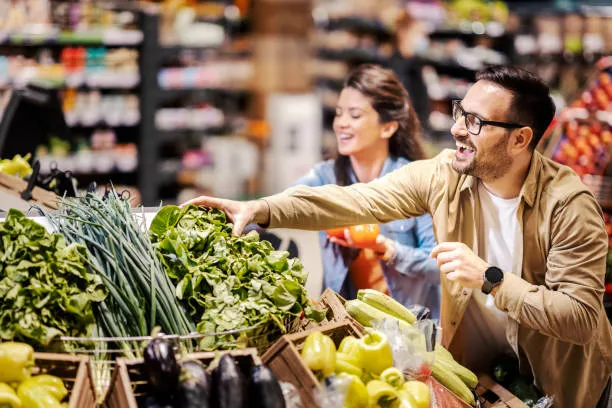
Walk the aisles of any store today and you’ll still see signs of strength. Shoppers leaning into trusted routines. Aisles built around local knowledge. Familiarity that still matters. But look a little closer, and you’ll see the cracks—once-reliable endcaps struggling to move volume, promotions failing to convert, and shoppers with phones in hand, navigating a different path to purchase than the one we designed for.
The store is not dead. Far from it. But the store-only mindset is.
As merchants, we’ve long believed in the power of retail fundamentals: right product, right place, right price. Those basics still matter. But what’s changed is the battlefield. The shopper is no longer deciding in just one place. Their journey spans screens, feeds, and physical aisles—and our growth plans haven’t kept pace.
A Volume Decline Hiding in Plain Sight
According to NielsenIQ, 2.8 billion food and beverage units vanished from U.S. brick-and-mortar retail in the past year, and only some of that shifted online. Shockingly, 57% of that volume loss wasn’t captured anywhere else. It simply disappeared—consumers buying less, substituting differently, or opting out altogether.
This isn’t a blip. It’s a realignment of how value is defined.
Shoppers are navigating inflation fatigue, economic uncertainty, and brand disappointment all at once:
- 55% of Americans say they’re “extremely concerned” about food costs.
- Prices have surged 7.7% since 2021, but without proportional improvements in quality or experience.
- SNAP benefit reductions, tariff concerns, and growing ingredient scrutiny have only intensified trade-offs.
Shoppers aren’t abandoning stores—they’re just rethinking what they buy, where they buy, and whether they trust us to deliver value. That’s a call to get back to basics—but with new eyes.
Rediscovering the Basics—In a New Omnichannel Context
Let’s be clear: the shelf still matters. It’s where trust is reinforced. It’s where new products find their footing. It’s where community, impulse, and routine meet. But the shelf alone is no longer where decisions begin—or where loyalty is earned.
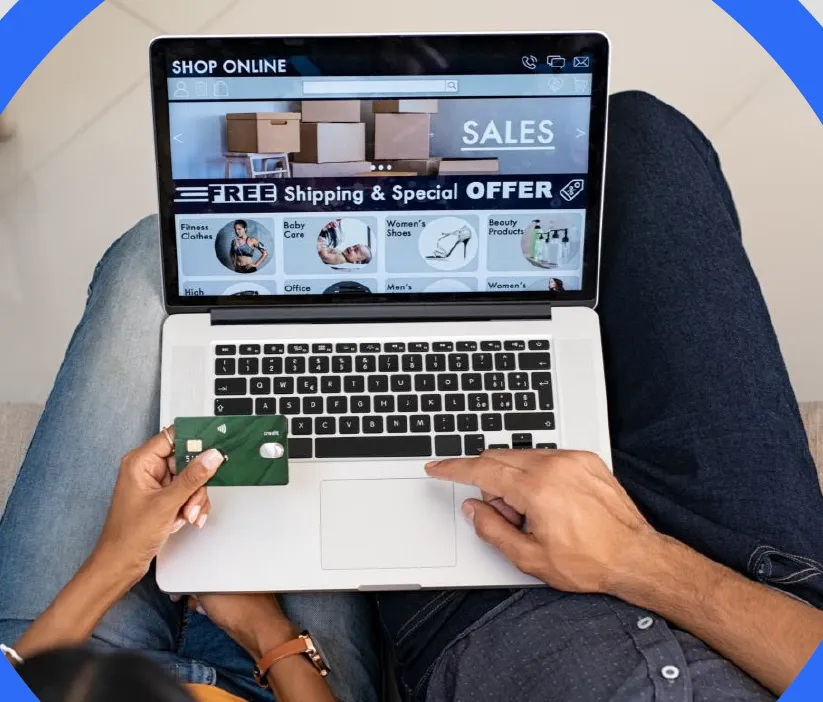
The consumer journey now starts earlier and ends elsewhere. Today’s shopper scans for deals on their phone while in the aisle. They look up recipes on ChatGPT that recommend branded ingredients. They see a product on TikTok, then expect to find it in-store or get it delivered in under two days. Nearly half of online grocery losses shifted to ecommerce, led by mass retailers who made omnichannel not an option—but a priority.
And they were rewarded. Mass players captured 64% of the $4.7 billion that moved online, largely by removing friction and meeting shoppers where they were.
The lesson? It’s not about abandoning the store—it’s about integrating it into a connected ecosystem.
Merchants Must Now Lead Across Aisle and Algorithm
What does this mean for us as merchants? It means we must stop thinking in terms of store vs. digital—and start thinking in terms of total influence.
Social media has become the new product discovery engine:
- 31% of shoppers use social media as their primary discovery channel.
- 35% have acted on something they saw on social, and TikTok alone drove nearly $6 billion in sales—including in key CPG categories like snacks, beverages, and health products.
And AI is rewriting the rules of product recommendation. When consumers now ask, “What should I cook tonight that’s healthy, and where do I buy it?”, they’re not asking the grocer. They’re asking their device. If we’re not visible in that moment—digitally merchandised, locally stocked, and conveniently fulfilled—we don’t just lose a sale. We lose relevance.
So yes, we must double down on merchandising discipline. But we also must retrain ourselves to merchandise across channels—with category insights powered by data, shelf presence complemented by feed presence, and promotions that move across touchpoints, not just across store floors.
Omnichannel Isn’t the Future. It’s the Now.
We must stop treating omnichannel like a technology investment and start embracing it as a merchant philosophy. One that treats store traffic, online search, and social buzz as equal parts of the same growth engine.
That means:
- Getting back to real space planning principles, but with digital availability in mind.
- Designing category roles that consider both in-aisle and in-feed discovery.
- Building promotions that reflect real-time price sensitivity and algorithmic visibility.
- And treating private brands, national brands, and influencer brands as merchandising inputs—not silos.
If we get this right, the store doesn’t fade—it thrives. But it thrives because it is supported by a digital nervous system that reaches the shopper before they even walk through our doors.
A Merchant’s Path Forward
I still believe in the power of the store. It’s where trust is built. It’s where real people solve real problems. But I also believe we can’t let that belief become an excuse to ignore what’s changing.
The shopper has evolved. So must we.
Back to basics doesn’t mean going backward. It means returning to what made us great—deep understanding of the customer, disciplined execution, and category-based thinking—but doing it in the context of today’s reality. A reality that demands omnichannel fluency, AI-informed merchandising, and cultural relevance, not just promotional muscle.
Built for yesterday doesn’t mean we’re broken. It means we’re ready to rebuild—with better tools, better insights, and most of all, a better understanding of where growth truly lives.
And that, more than anything, is the opportunity in front of us.
Parag Shah is a lifelong merchant and Co-Founder of Think Blue Consulting. This essay was informed by NielsenIQ’s June 2025 Omnichannel Report. You can reach out to Parag or Chris Costagli at NIQ to engage further on insights.