NEW YORK — Consumer enthusiasm for Black Friday-Cyber Monday shopping events is expected to reach its highest level in 10 years, according to Deloitte’s 2026 Black Friday-Cyber Monday Survey. The study found that 87% of consumers plan to participate in the five-day shopping period, up from 82% in 2025 and the highest participation rate recorded since 2016.
Despite greater participation, shoppers are expected to keep spending relatively steady, budgeting an average of $624 during the promotional week. Deloitte's research also highlights the growing influence of Gen Z consumers, who are expected to spend significantly more than other generations and play an increasingly important role in driving holiday sales.
"We see consumers spend thoughtfully during promotional events throughout the year, and this appears to be holding true for the Black Friday-Cyber Monday shopping period as well," said Brian McCarthy, retail strategy leader at Deloitte. "Retailers that plan for increased participation both online and in stores can maximize inventory to help consumers get the gifts they're looking for."
Participation Rises, Spending Holds Steady
The survey found that shoppers are actively planning around Black Friday and Cyber Monday deals. Nearly three-quarters (72%) of respondents said they are delaying purchases until the promotional period in hopes of securing better prices, while 61% plan to take advantage of as many retailer discounts as possible.
Half of consumers reported already noticing higher holiday prices, but spending intentions remain largely unchanged from last year. Households earning between $100,000 and $199,000 expect to spend 7% less than they did in 2025, citing higher living expenses as a key concern. By contrast, households earning less than $50,000 plan to increase holiday promotional-week spending by 17%.
Gen Z Emerges as a Major Force
Gen Z shoppers appear poised to make the biggest impact during this year's Black Friday-Cyber Monday period. Nearly all Gen Z respondents (94%) said they plan to participate, and they expect to spend an average of $752, a 23% increase from last year.
The generation is also more likely to use buy now, pay later services, with 40% planning to finance purchases through BNPL options. Deloitte estimates Gen Z will account for roughly 21% of all Black Friday-Cyber Monday spending.
Beyond shopping habits, Gen Z consumers are also putting their own spin on holiday traditions. If hosting Thanksgiving gatherings, 58% said they would ask guests to contribute more food, while nearly half would invite more friends to participate.
"Whether shoppers use the Black Friday-Cyber Monday period to check a few items off their lists or complete most of their holiday shopping, we anticipate heightened enthusiasm this year," said Natalie Martini, vice chair and U.S. Retail and Consumer Products sector leader at Deloitte. "Gen Z shoppers, in particular, appear to be embracing the promotional week as a way to maximize value and stretch their holiday budgets further."
Self-Gifting and Apparel Lead Spending Plans
More than half (51%) of Black Friday-Cyber Monday shoppers plan to buy something for themselves this year, spending an average of $208. While that amount is down from $240 last year, younger shoppers remain the most likely to self-gift, including 73% of Gen Z respondents and 60% of millennials.
Among planned purchases, clothing and accessories rank as the most popular category, cited by 76% of shoppers. Electronics and accessories follow at 58%, along with toys and hobbies (57%) and gift cards (48%).
Online and In-Store Shopping Continue to Blend
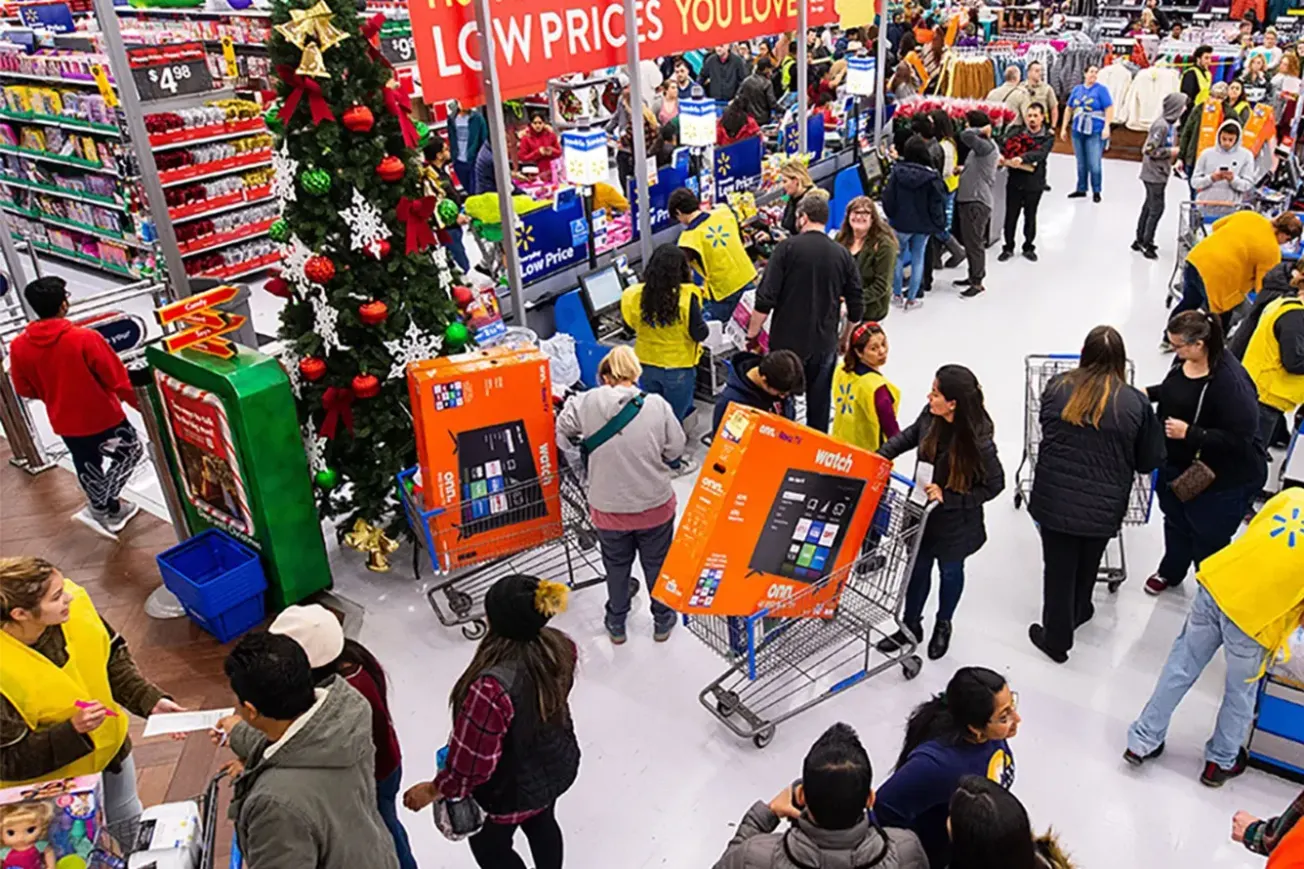
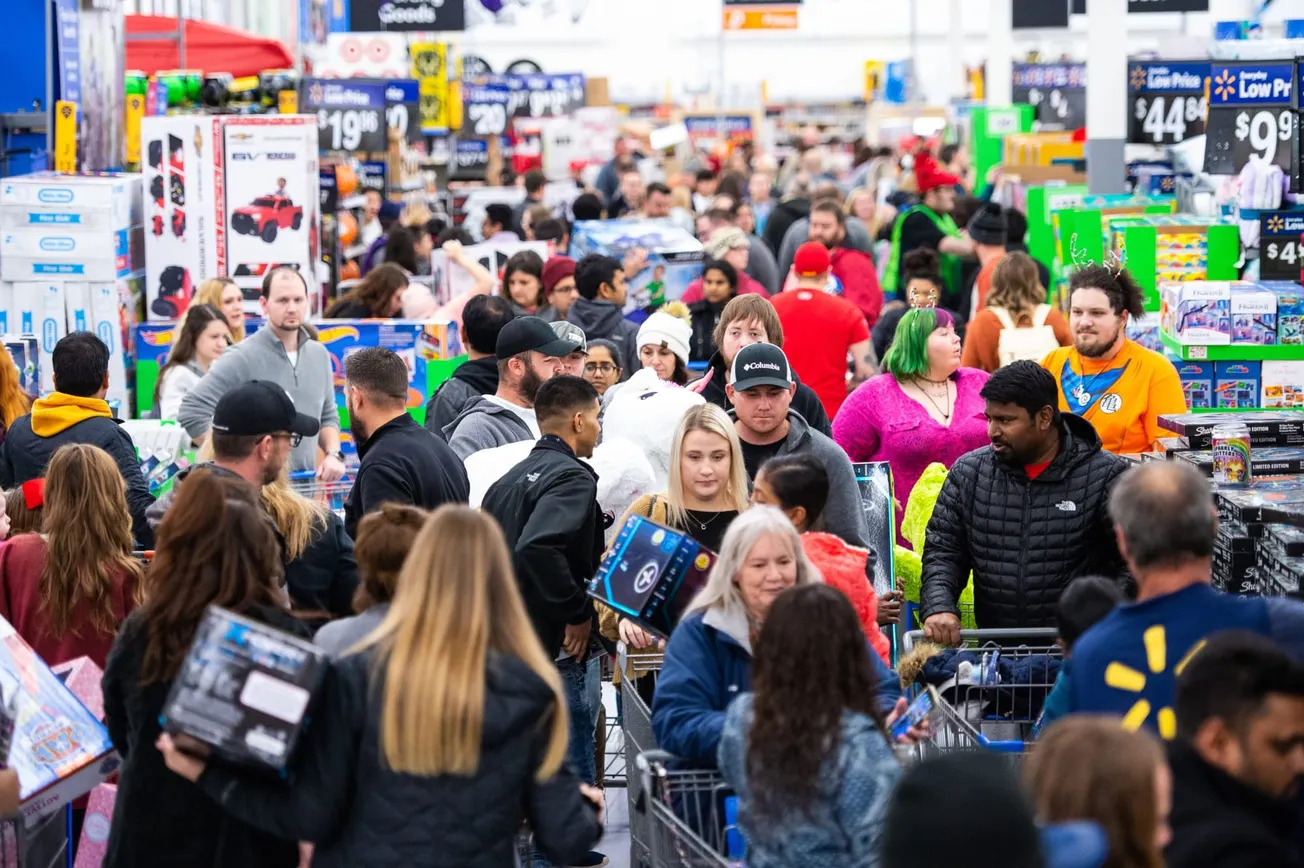
Deloitte characterized Black Friday-Cyber Monday as a "click-and-mortar" event, with shoppers expected to split purchases across both digital and physical channels.
Consumers plan to allocate 61% of their spending online and 39% in stores. Interest in both channels is growing. More than half (55%) plan to shop online on Black Friday, up seven percentage points year over year, while 53% intend to shop in stores, up four points from 2025.
Among Gen Z shoppers, in-store participation jumps to 72%.
The most common reasons for shopping in stores on Black Friday include access to the best deals (54%), doorbuster promotions (52%), and the excitement associated with the event (40%). Cyber Monday remains the most popular day for online shopping, with 60% of consumers planning to make purchases that day.
Internet-only retailers remain the top destination for promotional-week spending, attracting 71% of shoppers, followed closely by mass merchants at 68%.
Social Media and AI Influence Spending
The survey also points to the growing role of technology in shopping decisions. Consumers who plan to use both social media and generative AI tools during Black Friday-Cyber Monday expect to spend an average of $765, compared with $476 among those using neither tool.
Respondents said they rely on social media to discover deals, gather gift ideas and read reviews, while generative AI is being used for price comparisons, product research and gift recommendations.
Nearly half (47%) of shoppers said rising shipping costs could encourage them to shop in stores or use pickup services instead of home delivery.
Shopping with family and friends may also boost spending. Consumers planning to shop with others expect to spend an average of $664, compared with $590 among those shopping alone.
Deloitte's 2026 Black Friday-Cyber Monday Survey was conducted among 1,200 U.S. consumers between Oct. 19 and Oct. 26.
For more info, go to www.deloitte.com.
Submit Your Press Release
Have news to share? Send us your press releases and announcements.
Send Press Release