By Jacqueline Flam
It’s hard to believe that a retail channel with such deep roots in American life now finds itself struggling to keep pace. With the continued rise of online shopping and the evolution of retail formats, the nation’s drug stores stand at a clear crossroads — facing pressure from other prescription providers, specialty players and online giants, all eager to carve out their piece of the booming health and beauty market.

The recent bankruptcy and liquidation of Rite Aid, once the country’s third-largest drug chain, along with longtime leader Walgreens’ store closures and pending sale to private equity, spotlight just how shaky the situation has become. Yet these challenges — and the resulting redefined footprint — may also be the opportunity the drug channel needs to regroup and reclaim relevance, if they can strike the right balance of product and price while delivering the convenient, enjoyable shopping experience today’s savvy health and beauty shopper expects.
Online surge: daily dose of Amazon and TikTok
According to data from NielsenIQ, drug is the second-largest retail channel for health and beauty, capturing over $26 billion annually in NIQ-tracked department sales (excluding Rx). But growth in the channel has stalled, weighed down by store closures and intensified by consumers’ rapid shift to other retailers. Today, more than 40% of total health and beauty dollars and over 30% of trips are going to online players — and it’s no surprise that Amazon is the big reason why.
Driven by the ease of ordering, a trendy assortment that constantly evolves, and a wealth of shopper reviews that build confidence in every purchase, consumers now take an average of 20 “trips” a year to Amazon for health and beauty products, spending an average of over $500 each annually. As U.S. shoppers place a renewed emphasis on proactive and preventative wellness, it is the vitamin and supplement market driving much of this trend. Shoppers make an average of eight “trips” to Amazon each year just for vitamins, compared to only three vitamin trips annually to drug. Meanwhile, relative newcomer TikTok Shop — now the seventh-largest online health and beauty retailer — thrives on first-person testimonials that go viral on the “For You” page touting vitamin benefits and inspiring around 2 million vitamin orders each month. The combination of personalized recommendations, authentic peer reviews and content “advertainment” that makes discovery feel effortless has helped transform these online retailers into trusted destinations.
Club: disrupting brick-and-mortar value
But it’s not just an online story. Club has become a major disruptor in the brick-and-mortar landscape, attracting value-seeking shoppers with bulk packs and larger sizes of vitamins, medications and personal care products that stretch budgets — but also lengthen the purchase cycles, which presents a challenge for more traditional retailers like drug. Compounding this, an NIQ analysis of the top 10,000 like items in the market found that non-promotional prices in the drug channel average over 60% higher than the market. Promoted prices in drug are better but still run 24% above market levels. To win back these trips and capitalize on the wellness boom, drug will need to better align its value proposition while leaning into what makes it uniquely valuable.
How drug rewrites the script
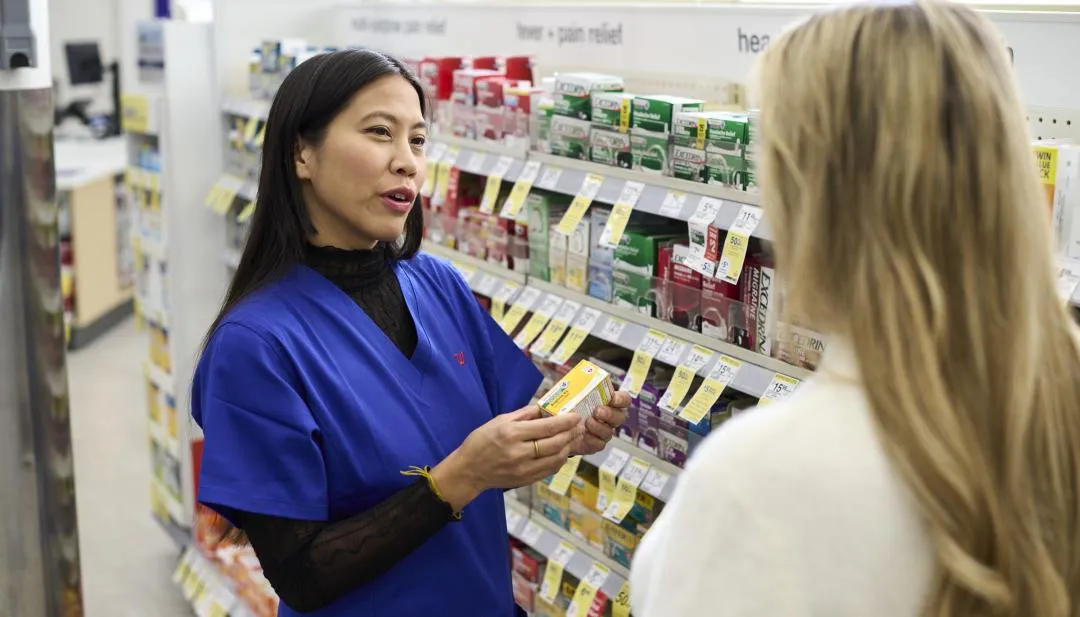
With so much shopping for health and beauty migrating to online retailers, how can drug — still heavily rooted in brick-and-mortar — compete effectively? The answer lies in leaning into what makes the channel uniquely valuable. Drug stores remain the go-to for urgent health needs, trusted pharmacy expertise and convenient fill-in trips that don’t require navigating a warehouse-sized store. Consumers see drug stores as the health experts and trusted partners in “need now” products. For instance, some sectors within health hold an impressive market share including upper respiratory care products (30%), pain care (24.7%) and sexual health (38.7%). Drug retailers must reinforce the ease of picking up these categories at their stores not only by communicating convenient locations and fast checkouts, but also by ensuring product options are plentiful, pricing is competitive, and items are in-stock.
With accessible locations, easy checkouts, a wide assortment, competitive pricing and products in-stock, they have all the fundamentals shoppers still value — if drug retailers can execute it well.
This means:
• Unlocking shelves and reducing friction: While theft prevision measures protect products and maximize margins, they’ve been a headache for drug store shoppers. Drug will need to scale back locked cabinets and train staff to promptly assist so that customers can browse effortlessly.
• Sharpening everyday pricing: With current price gaps so wide, drug must close the gap to keep value-conscious shoppers from defaulting to another retailer or clicking “buy now” on an app and leaving the store.
• Bringing enjoyment back to the trip: Clean, well-organized stores and friendly staff are just the price of entry; the online wellness boom has been fueled by trendy, innovative products backed by first-person testimonials and reviews. Curating assortments and a supportive shopping experience can capture the same spirit of discovery in-store, creating a trip that shoppers are eager to make.
Jacqueline Flam is senior vice president of beauty, drug and O-T-C for NielsenIQ.