By Greg Bradley
Across retail shelves and digital platforms, the self-care movement is reshaping how Americans engage with their health. From over-the-counter medications and dietary supplements to O-T-C devices like wearables and at-home diagnostics, consumers are increasingly embracing self-care as a first line of defense — and offense — in their health care journey.

As a member of the Consumer Healthcare Products Association’s (CHPA’s) board of directors, and its recently elected chair, I see firsthand the growing role manufacturers and retailers play in advocating for policies that support trusted wellness solutions for households nationwide. Self-care products are essential health tools, not issues to be swept up in shifting political or regulatory crosswinds. Yet, in today’s environment, they are increasingly subject to fragmented and reactionary policy making that threatens both access on store shelves and consumer confidence.
Conflicting policies between states, evolving public health guidance, outdated regulations, counterfeit products and misinformation are among the serious threats to consumer trust. To meet the promise of this new self-care era, we must double down on what I call the “tenets of trust”: a commitment to transparency, education, innovation and equitable access.
Modernizing Self-Care to Reflect Today’s Health Realities
Today’s consumers are empowered in ways previous generations never imagined, and research shows that O-T-C medicines alone save the U.S. health care system over $167 billion annually by reducing unnecessary doctor visits and easing pressure on providers. But to fully unlock the value of self-care, public policies must evolve to reflect today’s realities — not yesterday’s frameworks. Outdated or fragmented federal and state laws and regulations risk limiting access to safe, effective products; stifling innovation; and confusing consumers who rely on these tools daily.
Bridging the Trust Gap in a Fragmented Policy Landscape
While access to self-care has grown, maintaining and expanding that access, along with ensuring consumer confidence, remain ongoing priorities. Many consumers are navigating a flood of conflicting messages — about what’s safe, what’s necessary and who to believe. Shifting regulatory policies, such as state-level bans on FDA-reviewed ingredients or conflicting tariff rules that can cause supply shortages, further contribute to confusion on store shelves and online.
When consumers don’t know who to trust or what to do, states often step in, sometimes with good intentions, but this leads to a fragmented national landscape. Increasingly, states are tackling issues that have traditionally been handled federally, resulting in a confusing patchwork of inconsistent rules. This patchwork complicates compliance for manufacturers and retailers, leaving consumers uncertain about which products are safe, reliable and available. This can also create operational strain with retailers who must evaluate signage, stocking and staff training to navigate these rules by individual location. Ultimately, state-by-state policies create confusion and erode consumer confidence.
Additionally, when federal guidance changes frequently, appears inconsistent or is not rooted in reliable evidence it can fuel doubts not just about specific products, but about the broader systems meant to protect public health. At the same time, the spread of counterfeit goods and viral misinformation on social media only deepens skepticism, which is why addressing the rise in illicit trade and substandard imports is equally critical. Responsible manufacturers, retailers and regulators must work together to safeguard quality and eliminate bad actors that jeopardize consumer trust.
Enhancing Consumer Trust Through Policy
Fortunately, the path forward is clear, actionable and overwhelmingly bipartisan.
First, we need regulatory frameworks that are resilient, can move quickly and prioritize innovation. This means supporting consistent, proven and reliable federal policies that consumers can trust — such as the reauthorization of the Over-the-Counter Monograph User Fee Act (OMUFA), which ensures timely review of O-T-C products while upholding high safety and quality standards. It also facilitates faster access to innovative products that meet today’s health needs.
At the same time, modernizing outdated laws that haven’t been updated in over 30 years — like the Dietary Supplement Health and Education Act (DSHEA) — is essential to maintain and build consumer trust. Reforming DSHEA would enhance the FDA’s oversight, improve its ability to identify and remove unsafe or adulterated supplements, and increase transparency around who is manufacturing and selling these products. Modernization would help preserve trust in a rapidly growing and diverse category while supporting innovation and long-term safety.
We must also continue prioritizing accessibility and equity, including expanding consumers’ ability to use Health Savings Accounts (HSAs) and Flexible Spending Accounts (FSAs) on a broader range of self-care products, such as oral care products and dietary supplements. This is especially important in underserved areas, where barriers such as affordability, limited access to reliable information and gaps in health literacy make it harder for individuals to confidently navigate their self-care options. Addressing these challenges is essential to easing financial burdens for millions of families and ensuring self-care remains a trusted and effective part of everyone’s health journey — regardless of where they live or who they are.
While self-care products include essential information on their labels, consumers often still need trusted guidance. That’s where organizations like CHPA’s Health in Hand Foundation play a critical role, promoting responsible self-care at the point of purchase by educating consumers on proper usage, dosing, safe practices, and how to evaluate product claims and labeling.
A key part of that effort is encouraging consumers to purchase from trusted retailers, which helps ensure product authenticity and reduces the risk of counterfeit or misleading items, especially in high-priority areas like women’s health. Health In Hand also empowers consumers to rely on pharmacists as trusted health care partners. Pharmacists are uniquely positioned to guide individuals through the self-care landscape, offering expert advice on the proper use of O-T-C medicines, supplements and O-T-C devices.
To further support informed decision making across communities, Health in Hand is expanding its impact through targeted outreach, multilingual resources and digital tools. Its recent launch of healthinhand.org in Spanish is a major step toward improving health literacy and making self-care education more inclusive among Spanish-speaking audiences.
Trust Is Earned — and Our Industry Is Committed to Earning It
I am inspired daily by the efforts of CHPA and its member companies, along with the retailers, policy makers, and health care professionals who are working with us to build a more resilient, consumer-centered health ecosystem. But we know that trust is not given — it’s earned, one informed decision and one reliable product at a time.
In an era defined by evolving health care needs, self-care must rest on a foundation of science, transparency, access and a commitment to depoliticizing health solutions. Let’s continue the dialogue. Let’s step up and partner together with retail leadership to modernize policy. And together, let’s empower every consumer with the tools they need to take control of their self-care journey.
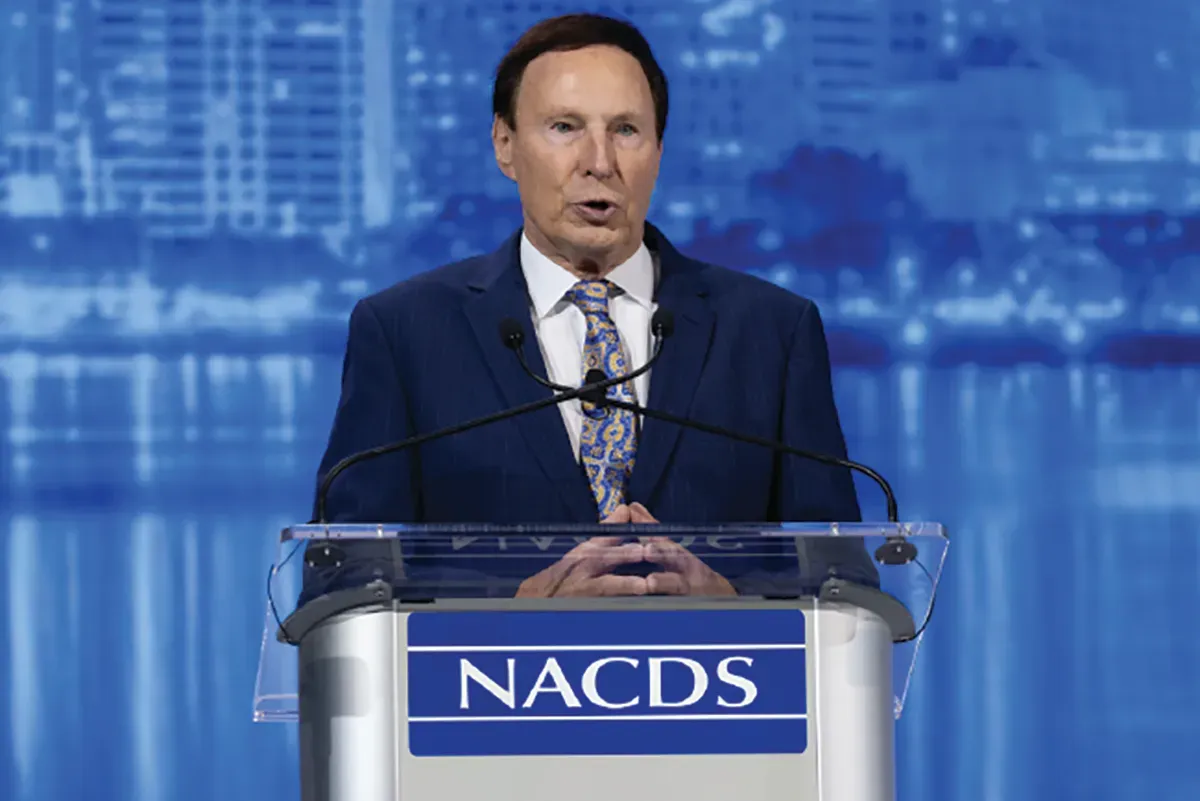
Greg Bradley serves as president and chief executive officer of Foundation Consumer Healthcare and as the current chairman of CHPA’s board of directors. He has 42 years of experience in the consumer packaged goods industry, with specific expertise in O-T-C health care.