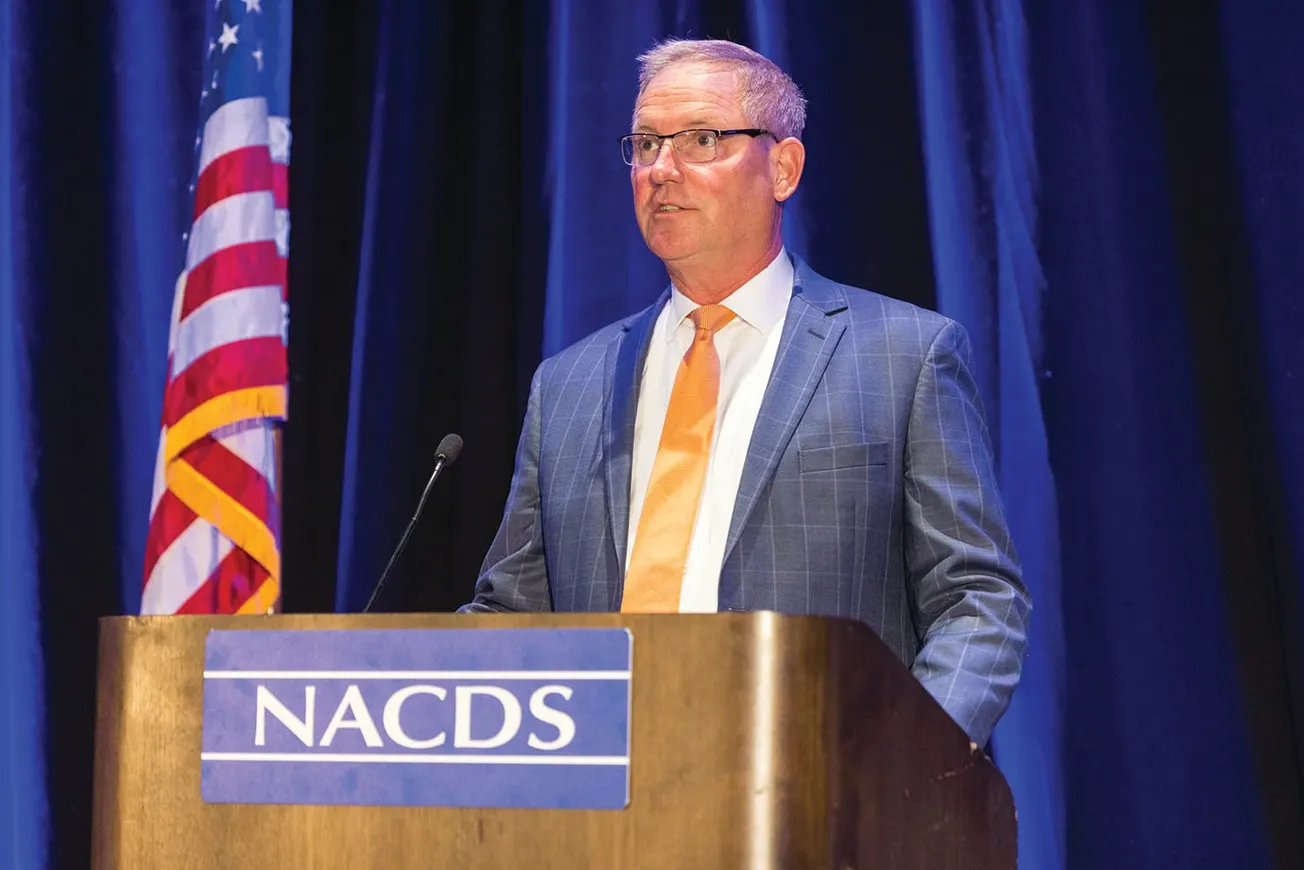
When Dave Warner becomes chairman of NACDS in April, he will do so at a time of transition for the association and the industry it represents. The pending retirement of CEO Steve Anderson, who will depart NACDS at the end of the year, coincides with a strategic review by the organization’s board. At the same time, opposing forces in the marketplace are contending to exert a decisive influence on the evolution of the pharmacy profession.
The National Association of Chain Drug Stores is entering a new phase as it builds on recent policy wins while preparing for leadership transition and a shifting pharmacy landscape. The following profiles spotlight four key figures shaping that trajectory — current chairman Rick Gates, past chairmen Kevin Host and Mike Wysong, and incoming chairman Dave Warner — each playing a distinct role in advancing the association’s agenda and positioning it for the years ahead.
 Jeffrey Woldt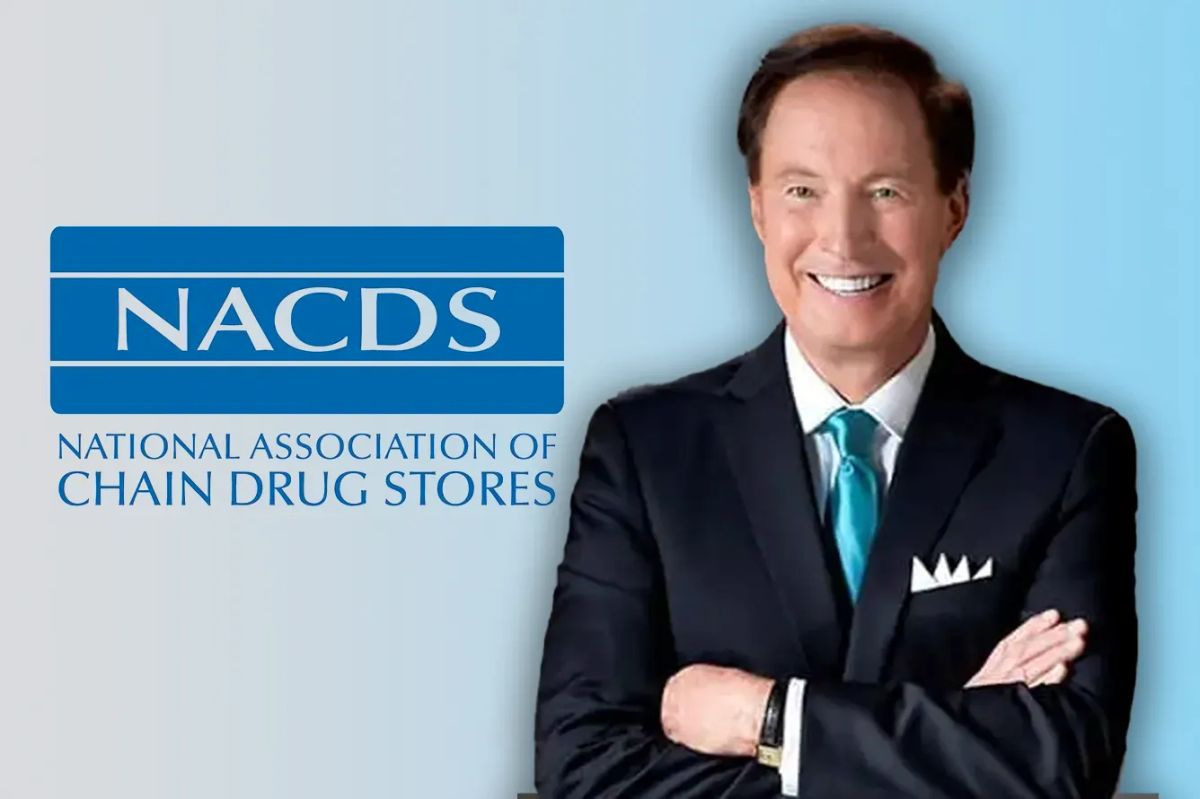
“Steve’s done a great job leading NACDS for two decades, and had some pretty big wins along the way,” said Warner. “Finding the right person to succeed him is a critically important task for the board. We are also putting a lot of work into what does NACDS look like five and 10 years out, how does it better support the retail membership as well as the vendor community.”
Warner became familiar with managing transitions during more than three decades at KPH Healthcare Services, where he serves as president and CEO. He was an important contributor to the transformation of the company from its origins as a regional chain, Kinney Drugs, into a multifaceted health care provider whose holdings include specialty pharmacy, long-term care pharmacy, PBM, durable medical equipment and infusion services businesses. The pharmacists who are at the center of KPH have embraced the growth of the company and the expansion of their role, according to Warner.
“All of them want to do more under their license,” he explained. “Obviously, they still need to fill prescriptions, but we’ve solved for that by expanding central fill operations, which now handle 60% of our scripts. In addition, we continue to expand our central call center so that pharmacists don’t have to answer all the phone calls and can devote more time to providing greater patient care.
“Operating at top of their license is something all pharmacists want to do. And, at least in our case, they’re employee-owners. So they’re on board with anything that can help the profession and help our company continue to grow and thrive.”
Some recent developments — including enactment of the first step toward meaningful PBM reform and strong bipartisan support for the industry in Congress — point to a brighter future for community pharmacy. But financial pressures, including shrinking prescription drug margins, remain. “All of pharmacy operators want something that’s consistent and predictable so that we know how to operate our business,” Warner said.
Another high priority is the Equitable Community Access to Pharmacist Services Act, which is pending in Congress.
“It is a race against time,” Warner said. “We need legislation from the federal government that enables pharmacists to get reimbursed for services that go beyond filling prescriptions.
“In the meantime, we must navigate how automation and technology are going to help us continue to deliver the services we’ve been providing at current reimbursement levels. Simultaneously, we have to step up efforts to pass legislation that allows us to provide other ancillary services, like test-and-treat, which augment what’s needed to ensure that community pharmacies remain relevant far into the future.”


_Large.jpeg)


Submit Your Press Release
Have news to share? Send us your press releases and announcements.
Send Press Release