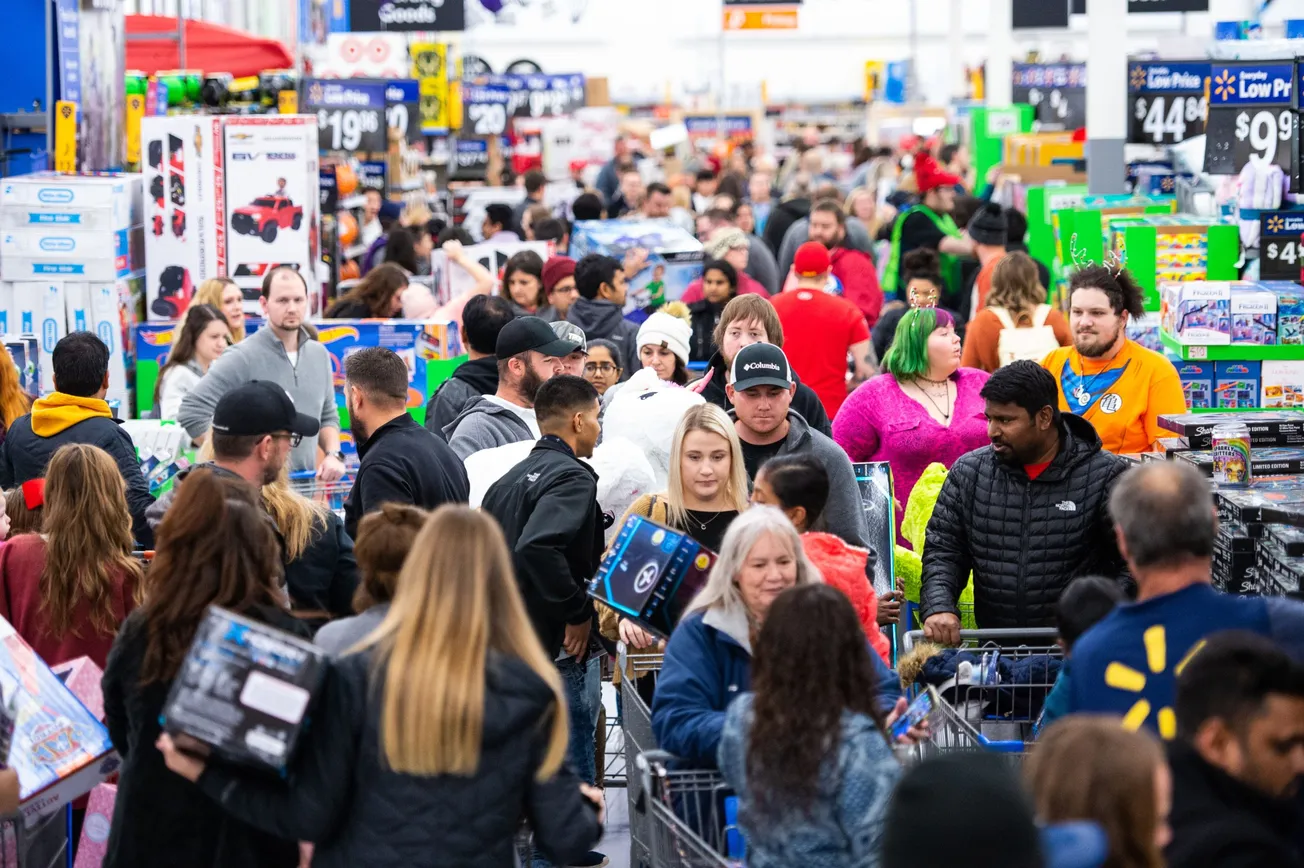
PURCHASE, N.Y. — American shoppers demonstrated resilience and adaptability this Black Friday, as retail sales—excluding autos—rose 4.1% year over year, according to preliminary data from Mastercard SpendingPulse. The uptick, driven by both in-store and online purchases across all payment methods, highlights how consumers managed to balance caution with celebration amid ongoing economic uncertainty.
“This year’s Black Friday tells a story of comfort, connection, and savvy shopping,” Mastercard said in releasing the data. Consumers sought both value and meaningful experiences as they prepared for the holiday season, signaling continued demand despite higher prices for many goods and services.
“Consumers are showing incredible savviness this season,” said Michelle Meyer, chief economist at the Mastercard Economics Institute. “They're navigating an uncertain environment by shopping early, leveraging promotions, and investing in wish-list items.”
 Bill Schiffner
Apparel and E-Commerce Drive Growth
The apparel category was among the strongest performers, rising 5.7% overall, including a 6.1% jump online and a 5.4% increase in stores. Colder temperatures and aggressive promotions helped drive sales of coats, sweaters, and other winter fashions, while jewelry sales rose 2.75%, buoyed by demand for giftable items.
Online spending once again led the way, with e-commerce sales up 10.4% from last year’s Black Friday. Mastercard said the surge reflects shoppers’ growing appetite for speed and convenience, aided by innovations in digital payments and seamless checkout experiences across devices.
In-store sales also rose modestly, up 1.7%, underscoring the enduring appeal of physical retail for hands-on shopping and holiday browsing. “Shoppers continue to blend channels,” Meyer noted, “taking advantage of both digital efficiency and in-person connection.”
Dining Out Becomes a Holiday Tradition
Restaurant spending climbed 4.5% on Black Friday, highlighting consumers’ continued desire for shared experiences and social connection. Mastercard noted that dining out has increasingly become part of the holiday ritual, whether for family gatherings or post-shopping celebrations.
Regional Patterns Reflect Seasonal Shifts
Retail performance varied across regions, with spending particularly strong in New England, the Midwest, and the Southeast. Apparel sales boosted results in colder parts of the country, where dropping temperatures likely encouraged purchases of outerwear and cold-weather accessories. The Southeast continued its steady outperformance, reflecting sustained consumer strength across the region.
Technology and Trust in a Digital Age
Mastercard also emphasized how technology continues to reshape the retail landscape. As part of its 2030 commitment to building more inclusive and secure commerce, the company noted that shoppers are increasingly using smartphones and connected devices for fast, frictionless payments.
But with convenience comes risk. Mastercard’s research shows that 72% of consumers shop on unfamiliar websites, even though one in four say they try to avoid them. Nearly one in five shoppers have experienced products that never arrived, and 16% have received counterfeit goods in previous holiday seasons.
The most common warning signs of fraud include deals that appear “too good to be true” (52%), poor spelling or grammar on websites (48%), and requests for unnecessary personal information (49%).
To help safeguard the season, Mastercard urged consumers to shop with trusted retailers, use secure payment methods, and report any suspicious activity to their bank or card provider. The company said its fraud prevention technologies continue to protect consumers while keeping transactions fast and seamless.
A Season of Smart Spending
The early results from Black Friday 2025 reinforce trends seen throughout this holiday season: consumers are shopping with purpose, spreading purchases over a longer period, and prioritizing both value and experience.
“Even as they face economic headwinds, consumers are proving adaptive,” Meyer said. “They’re finding ways to make the holidays meaningful—balancing comfort and connection with smart, intentional spending.”
Mastercard SpendingPulse, which measures national retail sales across payment types, defines U.S. retail as sales at retailers and food service merchants of all sizes, excluding most services such as travel and lodging. The figures are not adjusted for inflation and do not represent Mastercard company performance.