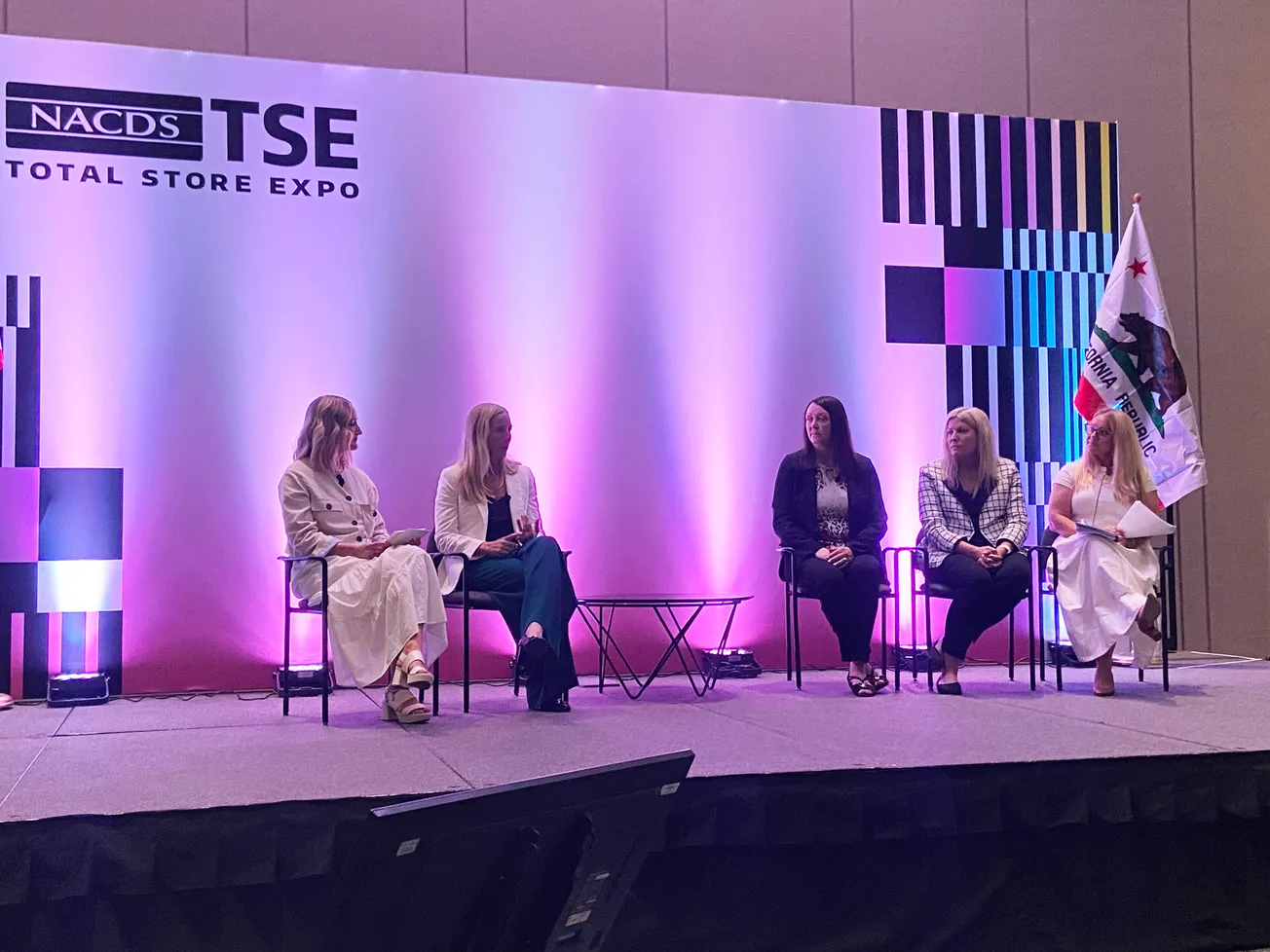
SAN DIEGO — Pharmacies continue to emerge and be relied upon as major access points for timely, cost-effective testing and treatment services. According to an insight session on Monday morning entitled Accelerating Pharmacy-Based Testing & Treatment Through Strategic Partnerships, these important services are growing. This well-attended session explored the latest innovations, research, global insights, and strategic efforts to accelerate pharmacy-based testing and treatment services nationwide.
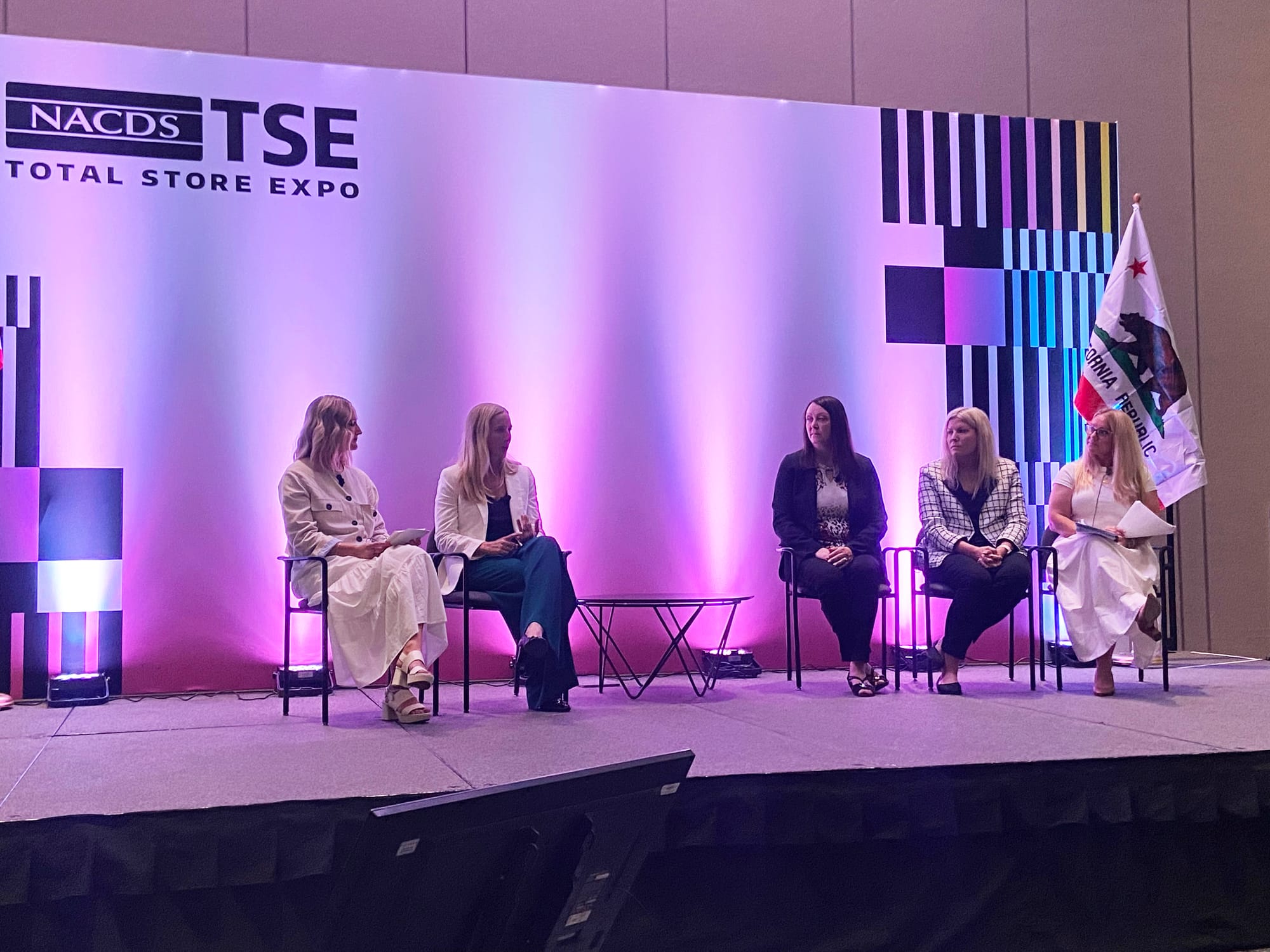
Moderated by Kayla McFeely, Vice President of Pharmacy Care, Health and Wellness Programs and Vice President of Research at the NACDS Foundation, NACDS. The session featured:
Lisa Smith, Vice President, Pharmacy Clinical and Specialty Services, Walmart
Katie Scanlon, Senior Director of Pharmacy Administration, Publix Super Markets, Inc.
Roberta Neuwirth, Director, US Market Access, Abbott
The panel discussed the landscape of pharmacy-based testing and treatment services, highlighting the growth and momentum in this area, particularly accelerated by the COVID-19 pandemic. Key points included:
- Pharmacists have been providing screening and testing services since the 1990s, and the addition of treatment services is a promising development to provide a full patient care journey.
- 21 states now allow pharmacists to test and treat in some capacity, with more states supporting this through collaborative practice agreements.
- Research has shown significant cost savings and positive outcomes when patients receive care in pharmacy settings compared to other sites like urgent care or the emergency department.
- Challenges remain around scaling these services, including patchwork state policies, lack of payer coverage, and the need to transform pharmacy workflows and billing practices.
- Panelists emphasized the importance of patient awareness, simplifying implementation processes, and stronger collaboration between pharmacies, payers, and academic institutions to further advance pharmacy-based healthcare services.
Lisa Smith from Walmart highlighted Idaho as a standout state for pharmacy practice due to its broad scope of services. Initially, Walmart had a limited presence there, but during the pandemic, they shifted strategy from piloting to full-scale implementation. They expanded their test-and-treat programs to 21 states, leveraging the scalability of chain pharmacy operations.
Katie Scanlon from Publix emphasized the challenge of scaling pharmacy services across all locations. Publix is working to standardize services and improve patient awareness, which is crucial for utilization and impact.
Dr. Julie Akers discussed a major barrier in Washington: despite decades of prescriptive authority, pharmacists are not recognized as providers under Medicare. This limits their ability to serve older adults and bill for services, which she argues amounts to forced discrimination against the Medicare population.
Roberta Neuwirth referenced a 2024 study published in the Innovations for Pharmacy Journal, which showed that pharmacy-based molecular diagnostic testing (e.g., for flu, strep A, COVID) leads to better patient outcomes and lower healthcare costs. The study found that PCR testing reduced pharmacy and overall healthcare costs compared to traditional culture methods.