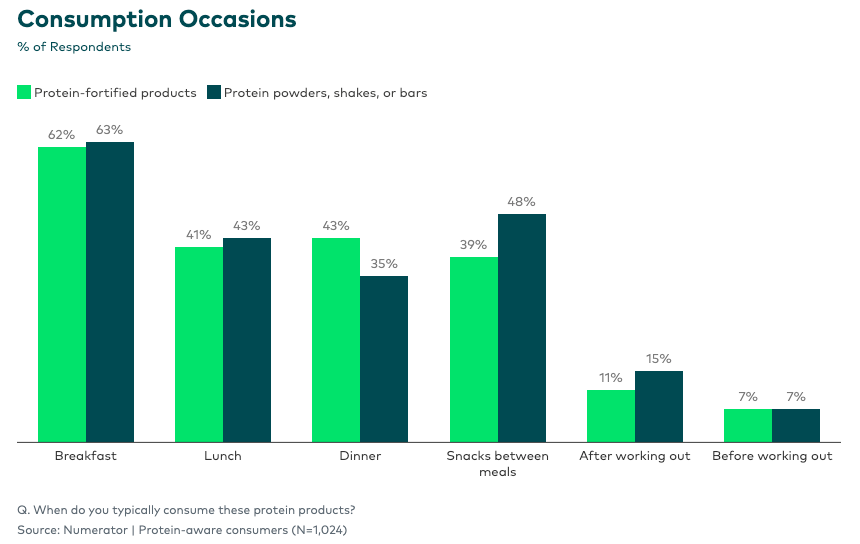
CHICAGO — Protein has become a mainstream health focus, with new data showing it is now a top dietary priority for American households. According to a recent Numerator survey of over 1,000 U.S. consumers, 78% said they pay attention to protein in their diets, a higher percentage than those monitoring sugars, fats, carbohydrates, or even total calories. While protein consumption is often associated with younger, fitness-oriented consumers, the survey found that interest actually grows with age. Eighty-three percent of Boomers said meeting daily protein goals is essential, highlighting protein’s importance in healthy aging.
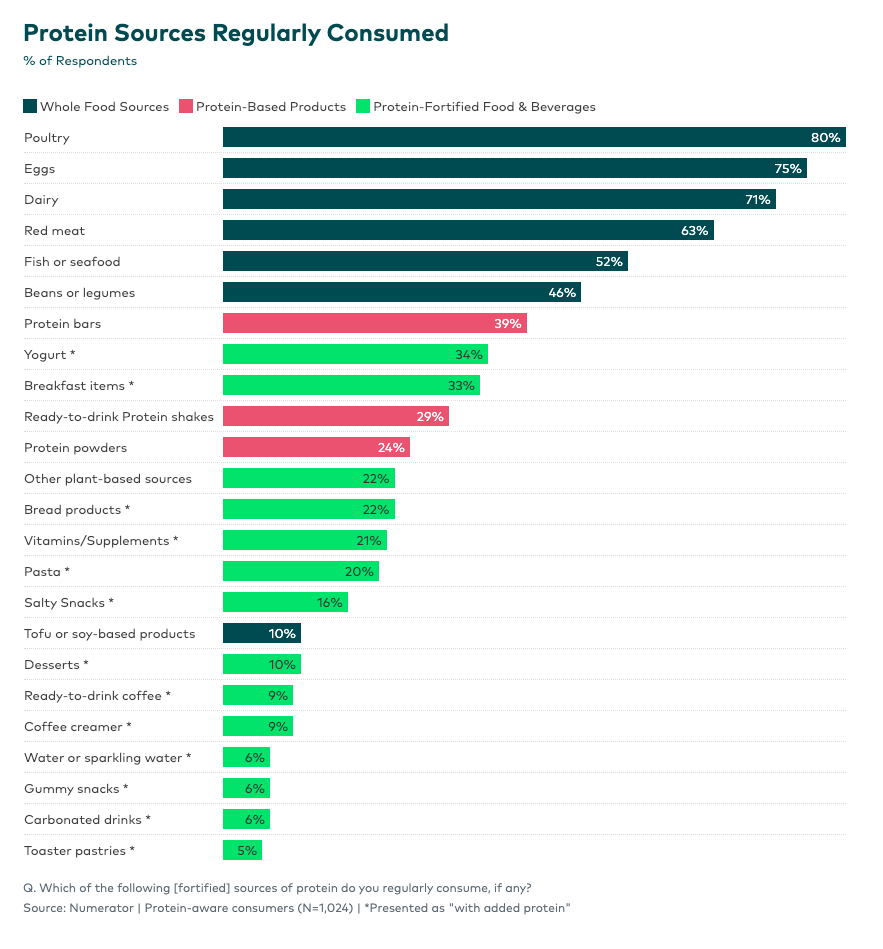
The growing use of GLP-1 medications such as Ozempic and Wegovy is amplifying this shift. These therapies suppress appetite, leading to reduced calorie intake and, in many cases, unintentional loss of muscle mass. To counteract that, health experts are increasingly recommending that GLP-1 users increase their protein intake to maintain lean body mass, satiety and metabolic health. Numerator data confirms this behavior change, showing that GLP-1 households outspend non-users by 25% on protein shakes, with higher spending also seen across fortified snacks, protein waters, meat, and even beans and grains.
Yet despite protein’s growing prominence, the market still isn’t fully meeting consumer needs. Nearly one in four Americans reports not getting enough protein, with the gap particularly pronounced among Millennials and women. Skepticism toward powders and bars remains a barrier, with consumers citing cost, a desire to avoid artificial ingredients, and a preference for whole foods. But fortified snacks and beverages face fewer objections and are increasingly being seen as “better-for-you” alternatives.
For pharmacies and health-focused retailers, this presents a dual opportunity: to guide consumers toward making protein a consistent part of their wellness routines, and to build trust through education and access. By leveraging in-store health services, personalized nutrition advice, and curated assortments of protein-fortified products, pharmacies can play a vital role in closing the protein gap and supporting healthier outcomes in the communities they serve.