

MasterClass launches GLP-1 education course
Endocrinologist Dr. Rocio Salas-Whalen leads a new MasterClass course designed to help patients better understand GLP-1 therapy.
Endocrinologist Dr. Rocio Salas-Whalen leads a new MasterClass course designed to help patients better understand GLP-1 therapy.
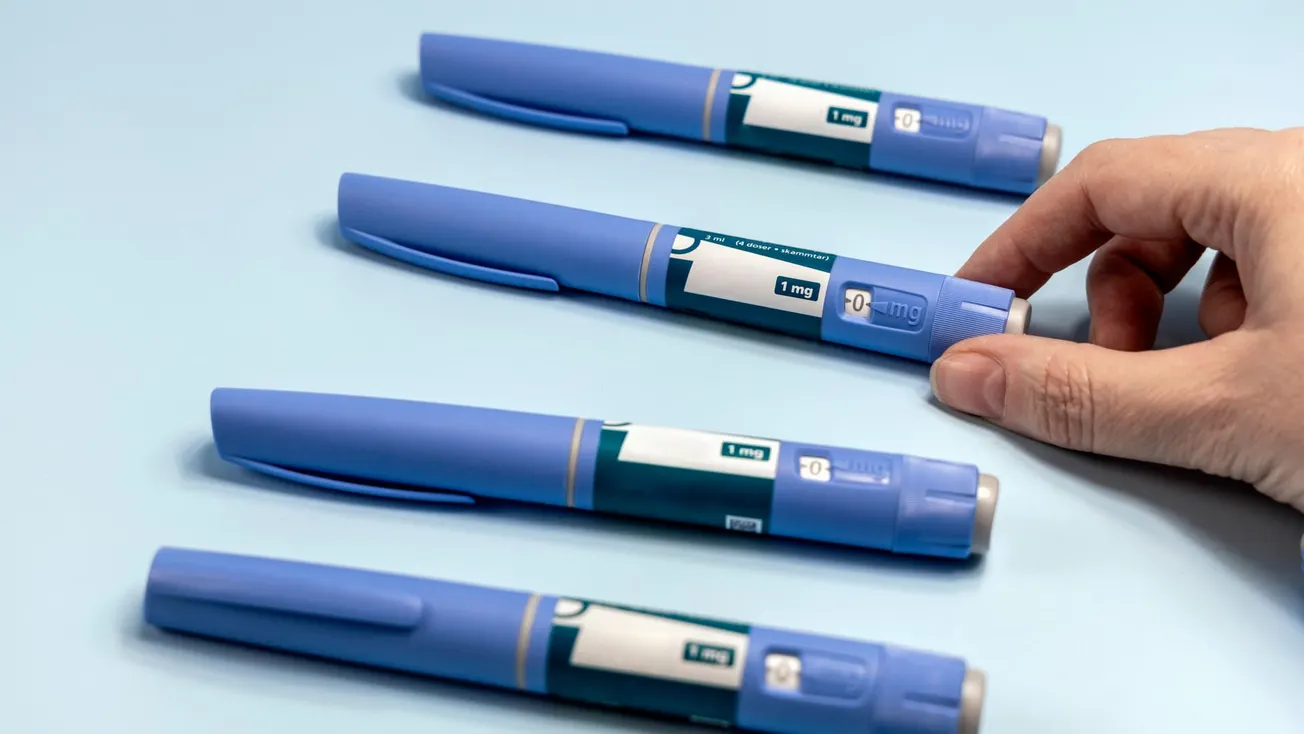
The US drives growth via branded therapies, rising obesity, and broader use in diabetes and weight management.

A new Pacific Research Institute report warns that unauthorized compounded GLP-1 drugs may pose patient safety risks and hinder future pharmaceutical innovation.

Record whey protein prices and tightening supplies highlight the ripple effects of growing GLP-1 adoption across the health and nutrition marketplace.
NACDS is advising chain pharmacy members on the upcoming launch of the CMS Medicare GLP-1 Bridge Program, a temporary demonstration that will provide eligible Medicare beneficiaries with access to certain medications beginning July 1.

Other new research, from Acosta Group, reveals that GLP-1s are reshaping consumer behavior including lifestyle, health and wellness, and personal care choices.

Hydration products designed for GLP-1 medication users are a fast-growing category across wellness and pharmacy channels, driven by demand for low-sugar, digestive-friendly options.
GLP-1 users drive trends across range of product segments.
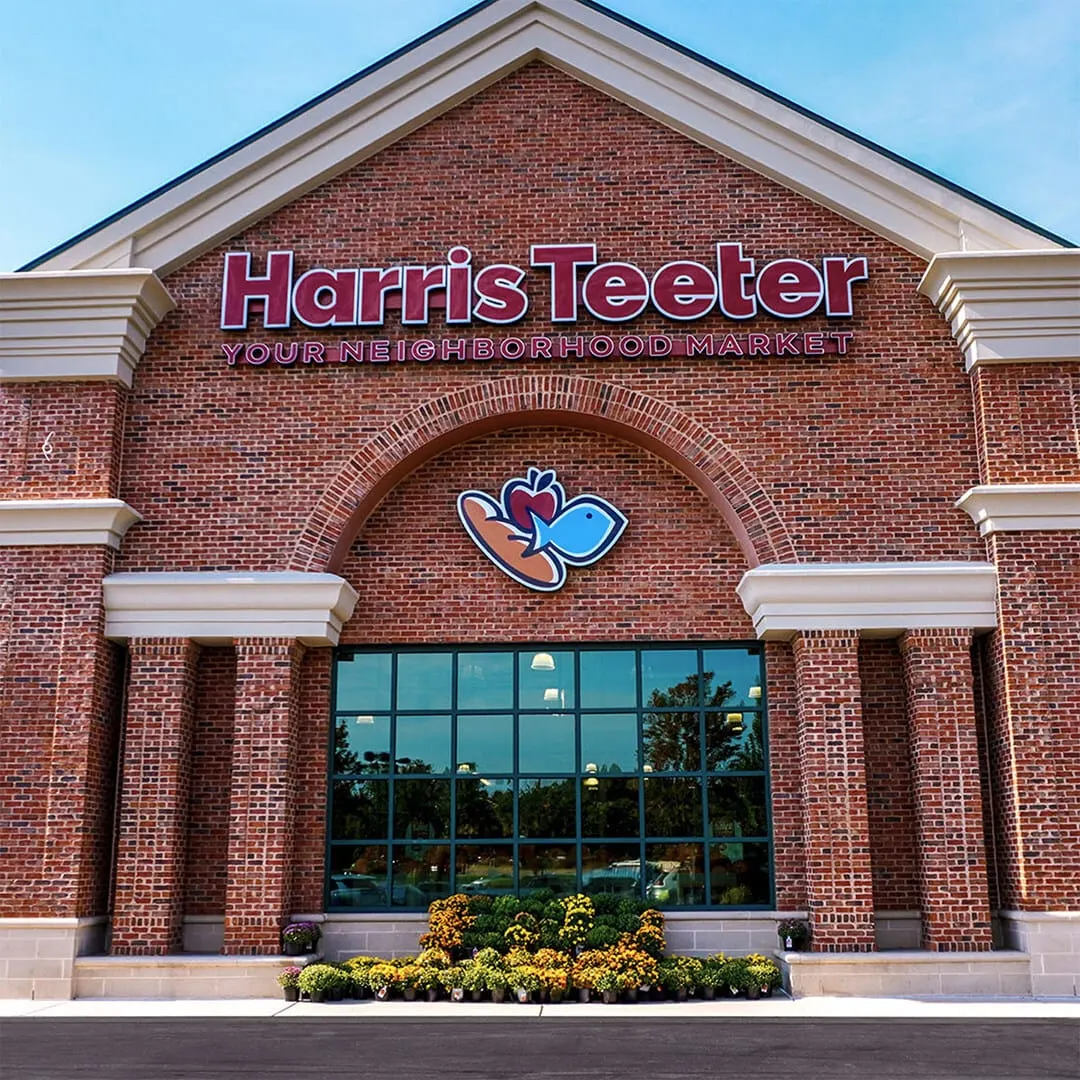
Regional grocer integrates medications, dietitians and affordability tools to support weight management.
Novo Nordisk is launching a pill form of Ozempic, offering a new option for type 2 diabetes and positioning pharmacies at the forefront of access, adherence, and the growing GLP-1 demand.
Weight-loss drugs drive historic growth in 2025.
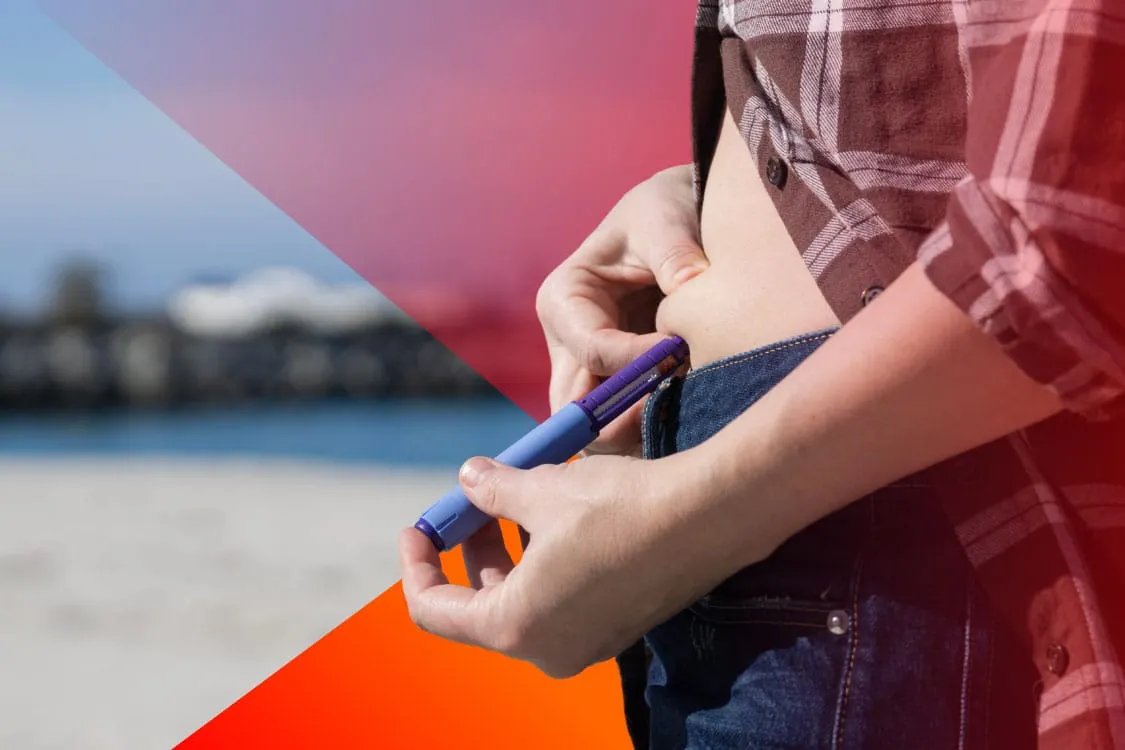
New Acosta Group research shows GLP-1 users are driving shifts toward healthier eating, targeted wellness and new retail opportunities.
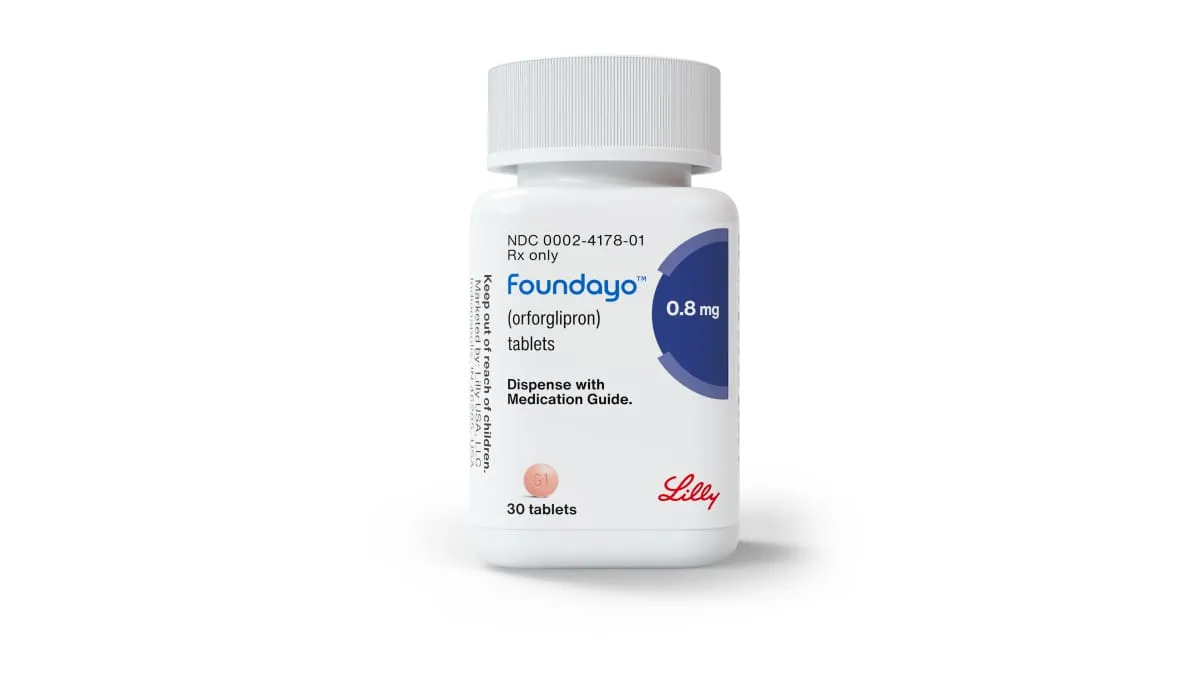
Oral GLP-1 therapy achieves double-digit weight loss in trials and launches this month with no food or water restrictions, expanding access through retail and direct-to-consumer channels.
“Our customers and communities want affordable, effective weight-management treatment options with real affordability,” said Colleen Lindholz, group vice president and president of Kroger Health.

The success of Eli Lilly’s Zepbound is encouraging efforts to expand access to obesity treatments by clarifying pricing and reducing costs.
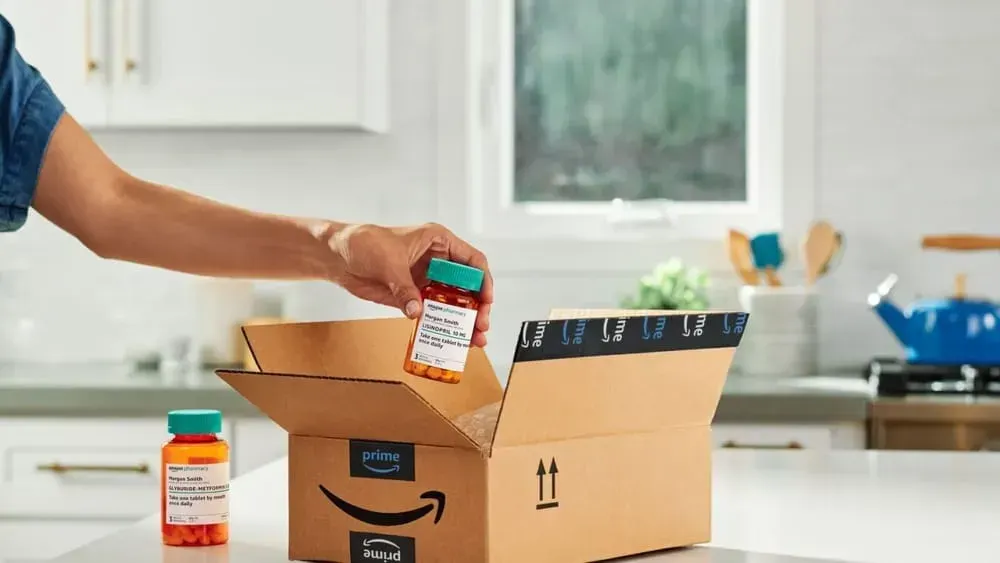
Now offering customers transparent cash-pay pricing starting at $299 per month for the 2.5 mg KwikPen starter dose and convenient, fast home delivery.