By William M. Simpson
The opioid epidemic remains one of the greatest public health crises of our time. Every day, 217 Americans die from overdoses — nearly 70% involving opioids. Despite billions spent on treatment, law enforcement, and litigation, a glaring blind spot continues to fuel the crisis: leftover prescription medications in the home.
Seventy percent of people who misuse opioids get them from family or friends. Yet 60% to 70% of patients never dispose of unused prescriptions properly. Each forgotten bottle represents preventable risk — misuse, diversion, or accidental poisoning — and a growing threat to our environment.
As communities across the country mark National Medicine Take Back Month, an upcoming three-part op-ed series in Chain Drug Review explores how simple, affordable prevention could change the trajectory of the opioid epidemic — if we have the will to act.
Part One: Pharmacists as Providers — The nation’s most accessible healthcare professionals remain unrecognized under federal law. Granting provider status could transform prevention at the pharmacy counter.
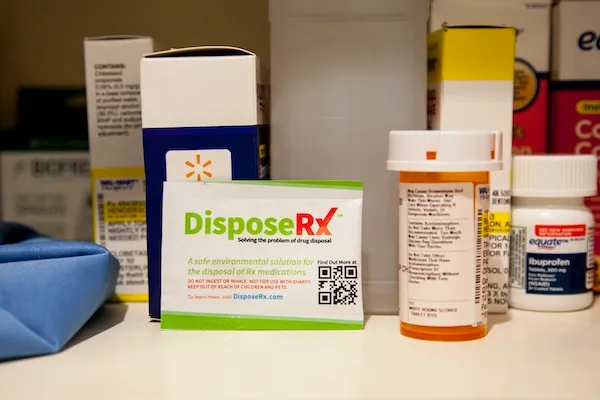
Part Two: Closing the Medicine Cabinet Gap — Families want to dispose safely, but outdated programs fail. In-home disposal is proven, patient-preferred, and environmentally sound. Why hasn’t the FDA acted?
Part Three: Prevention We Can Afford — A $1.50 solution could save billions—and countless lives.
Each installment reveals where prevention breaks down, what it will take to fix it, and how smart policy can protect families and strengthen communities.
Because prevention isn’t a luxury — it’s the most urgent, cost-effective public health investment we can make. Each article outlines what policymakers, providers, and communities can do — starting today.
William M. Simpson is the president & CEO, DisposeRx, Inc.