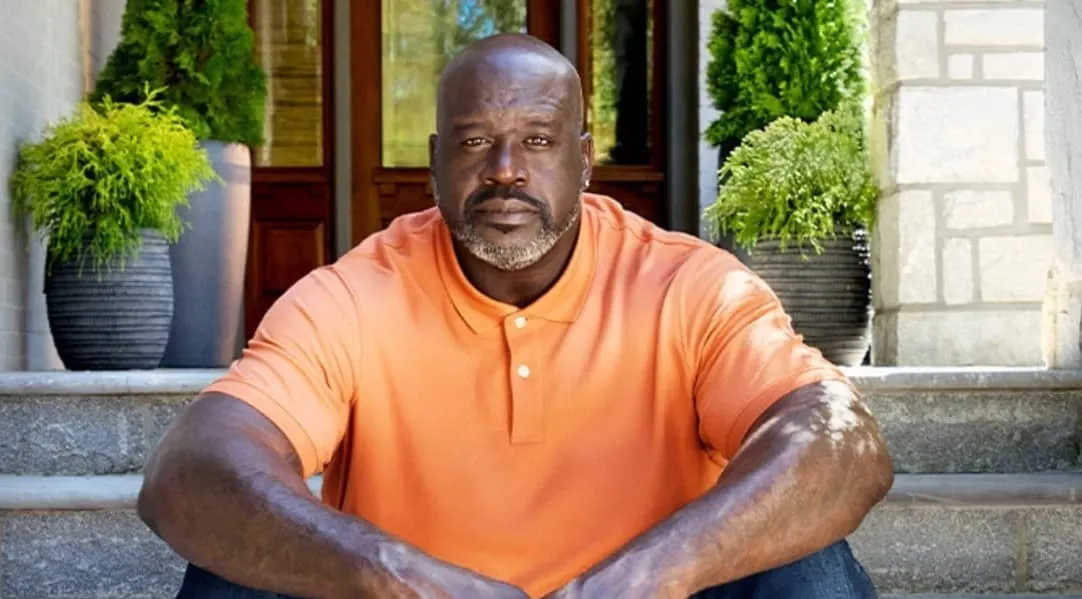
INDIANAPOLIS – Shaquille O’Neal is partnering with Eli Lilly and Company on a national awareness campaign to help people recognize and seek treatment for moderate-to-severe obstructive sleep apnea (OSA), a condition that affects millions of Americans and is frequently undiagnosed.
The campaign, titled “Watch This,” features O’Neal sharing his personal experience with OSA after years of dismissing symptoms such as daytime fatigue, loud snoring and difficulty concentrating. O’Neal said he learned the condition was treatable after being diagnosed with moderate-to-severe OSA and prescribed Zepbound (tirzepatide).
Lilly said the multi-channel campaign will run across television, streaming, digital, and social platforms, as well as community events, with the goal of encouraging people experiencing symptoms to talk with their healthcare providers.
According to Lilly, approximately 24 million U.S. adults are affected by OSA, many of whom also have obesity. The company noted that an estimated 85% of moderate-to-severe cases remain undiagnosed.
“Being prescribed Zepbound helped make a difference for me in my OSA treatment journey; I even lost some weight,” O’Neal said.
Zepbound is the first and only prescription medicine approved for moderate-to-severe OSA in adults with obesity and is intended to be used alongside a reduced-calorie diet and increased physical activity. Lilly highlighted clinical trial data showing the treatment significantly reduced breathing interruptions during sleep and helped some patients achieve remission or mild disease after one year of treatment.
Lina Polimeni, senior vice president and chief marketing officer, consumer, at Lilly, said O’Neal’s willingness to discuss his experience openly could help more people recognize symptoms and seek medical care.
The campaign is part of Lilly’s broader effort to expand awareness of obesity-related health conditions and increase access to diagnosis and treatment options for patients living with sleep apnea.
Q&A with Shaquille O’Neal
Why did you decide to partner with Lilly to educate people about moderate-to-severe OSA?
For a long time, I was tired during the day, snoring and gasping for air at night, and I just thought that's how it was for someone like me. Turns out, I have moderate OSA and I didn't even know it. Once I was diagnosed, my doctor prescribed Zepbound and has made a real difference for me. I'm partnering with Lilly because if something feels off with your sleep, you shouldn't just push through. Talk to your doctor. That's the play.
What will your partnership with Lilly involve?
We're doing a national campaign, Watch This, that gives people a behind-the-scenes look at what living with moderate-to-severe OSA is really like – the stuff you don't usually see on TV. I'm also going to be out in communities, meeting people face-to-face, because sometimes the best way to get someone to recognize the symptoms of OSA is to show up and have a real conversation.
What is OSA?
OSA is a sleep-related breathing disorder characterized by complete or partial collapses of the upper airway during sleep, which can lead to pauses in breathing (apnea).
What is the role of Zepbound in treating moderate-to-severe OSA?
Zepbound (10 mg or 15 mg) is the first and only prescription medicine for adults with moderate-to-severe OSA and obesity to improve their OSA. It should be used with a reduced-calorie diet and increased physical activity. *†
* In a 52-week study, adults taking Zepbound (10 mg or 15 mg) went from a starting average of 52.9 breathing disruptions per hour during sleep (as defined by AHI) to 27.6 (vs 50.1 events per hour to 44.8 with placebo). In another 52-week study of adults on positive airway pressure (PAP) therapy, those who took Zepbound (10 mg or 15 mg) went from a starting average of 46.1 breathing disruptions per hour during sleep to 16.8 (vs 53.1 events per hour to 47.6 with placebo).
† In a 52-week study of adults, of those taking Zepbound (10 mg or 15 mg) with a starting average of 52.9 breathing disruptions per hour during sleep (as defined by AHI), 42.2% reached an AHI of <5 or an AHI of 5-14 with ratings on the Epworth Sleepiness Scale (ESS) of ≤10 (vs 15.9% with placebo and a starting average of 50.1). In another 52-week study of adults on positive airway pressure (PAP) therapy, of those taking Zepbound (10 mg or 15 mg) with a starting average of 46.1 AHI, 50.2% reached an AHI of <5 or an AHI of 5-14 with ratings on the ESS of ≤10 (vs 14.3% with placebo and a starting average of 53.1).
What else is Zepbound indicated to treat beyond moderate-to-severe OSA in adults with obesity?
Zepbound may also help adults with obesity, or some adults who are overweight and also have weight-related medical problems, to lose excess body weight and keep the weight off. It should be used with a reduced-calorie diet and increased physical activity.
Where can people go for more information?
To learn more about Zepbound, please visit Zepbound.lilly.com.
Submit Your Press Release
Have news to share? Send us your press releases and announcements.
Send Press Release