
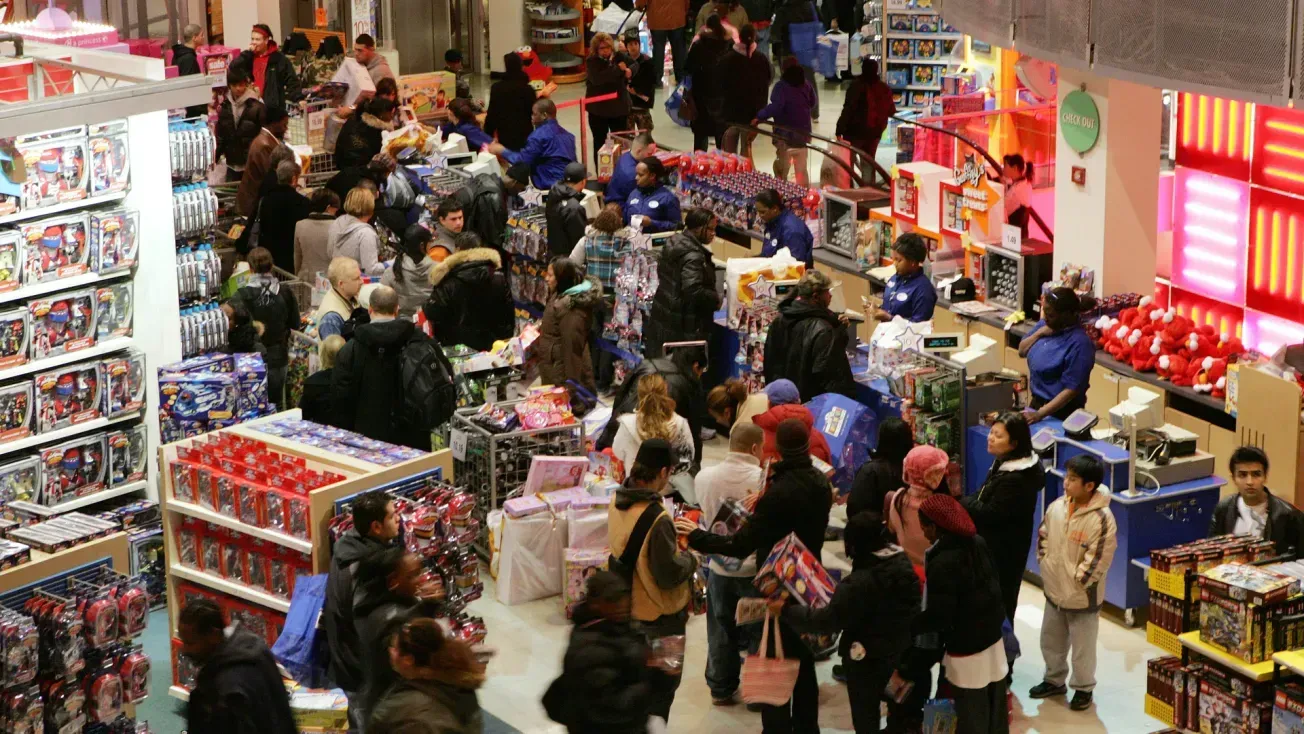
CNBC/NRF Retail Monitor’s December numbers reveal strong holiday season spending
Based on Retail Monitor data, 2025 holiday sales from Nov. 1 through Dec. 31 grew 4.1%.
Based on Retail Monitor data, 2025 holiday sales from Nov. 1 through Dec. 31 grew 4.1%.

Getting a strong early start, consumers embraced convenience and connection through the season.
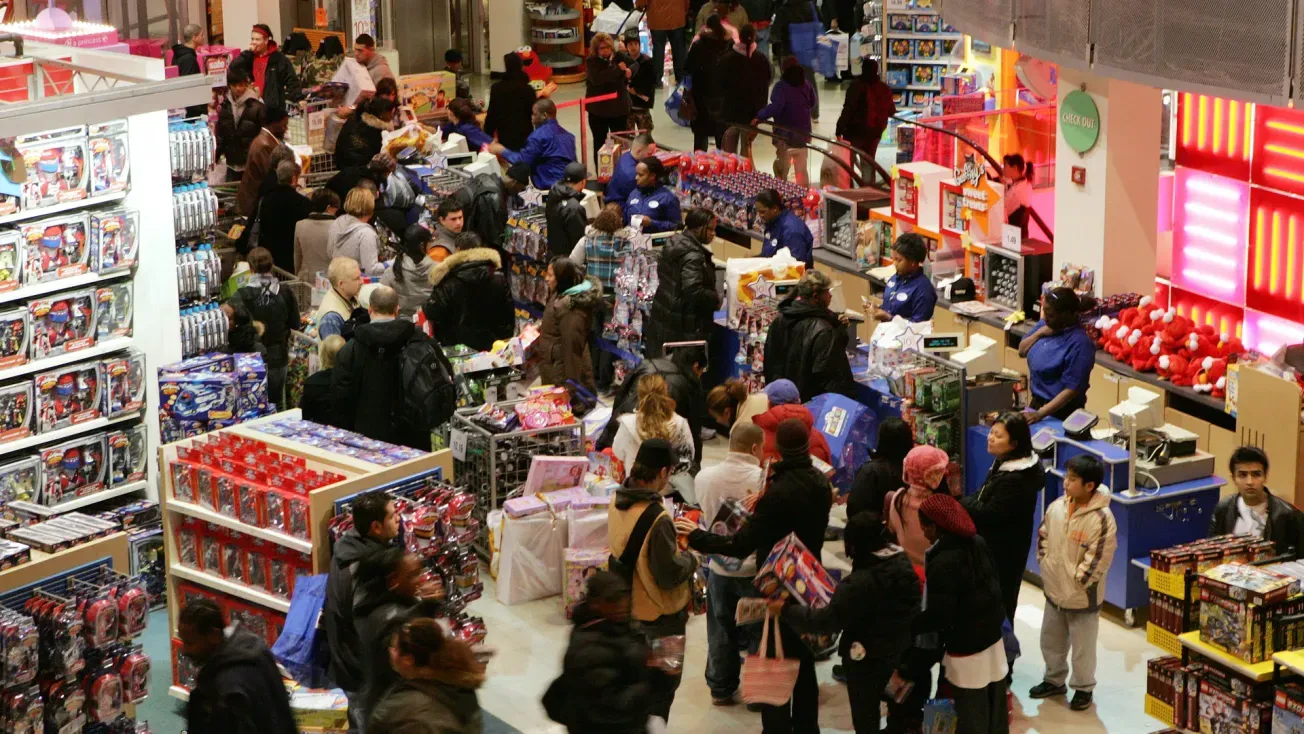
Combined, Black Friday Week and Cyber Week resulted in a 2% dollar and nearly 5% unit decline from last year.
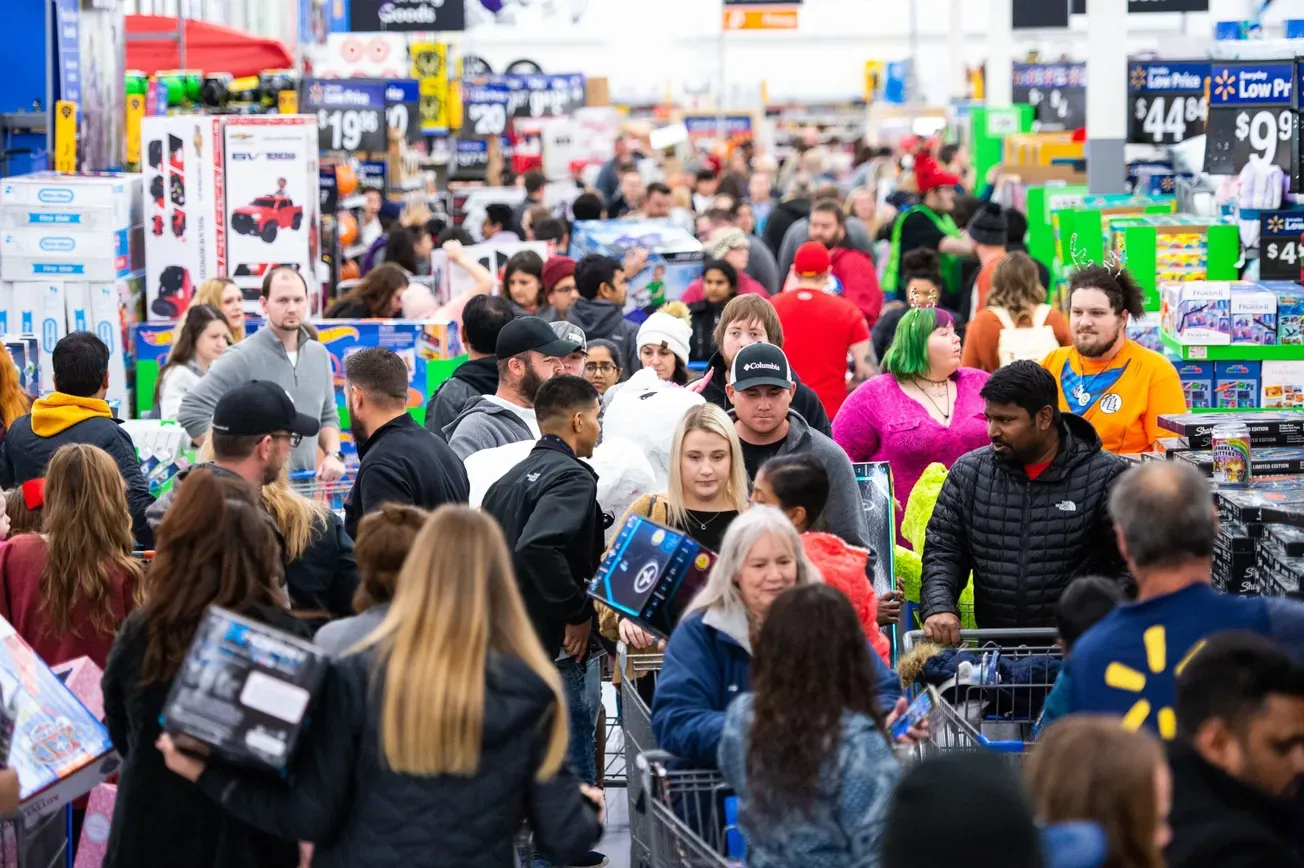
Super Saturday shoppers are expected to embrace multiple channels this year, with nearly half, or 71.6 million (45%), planning to shop both in-store and online

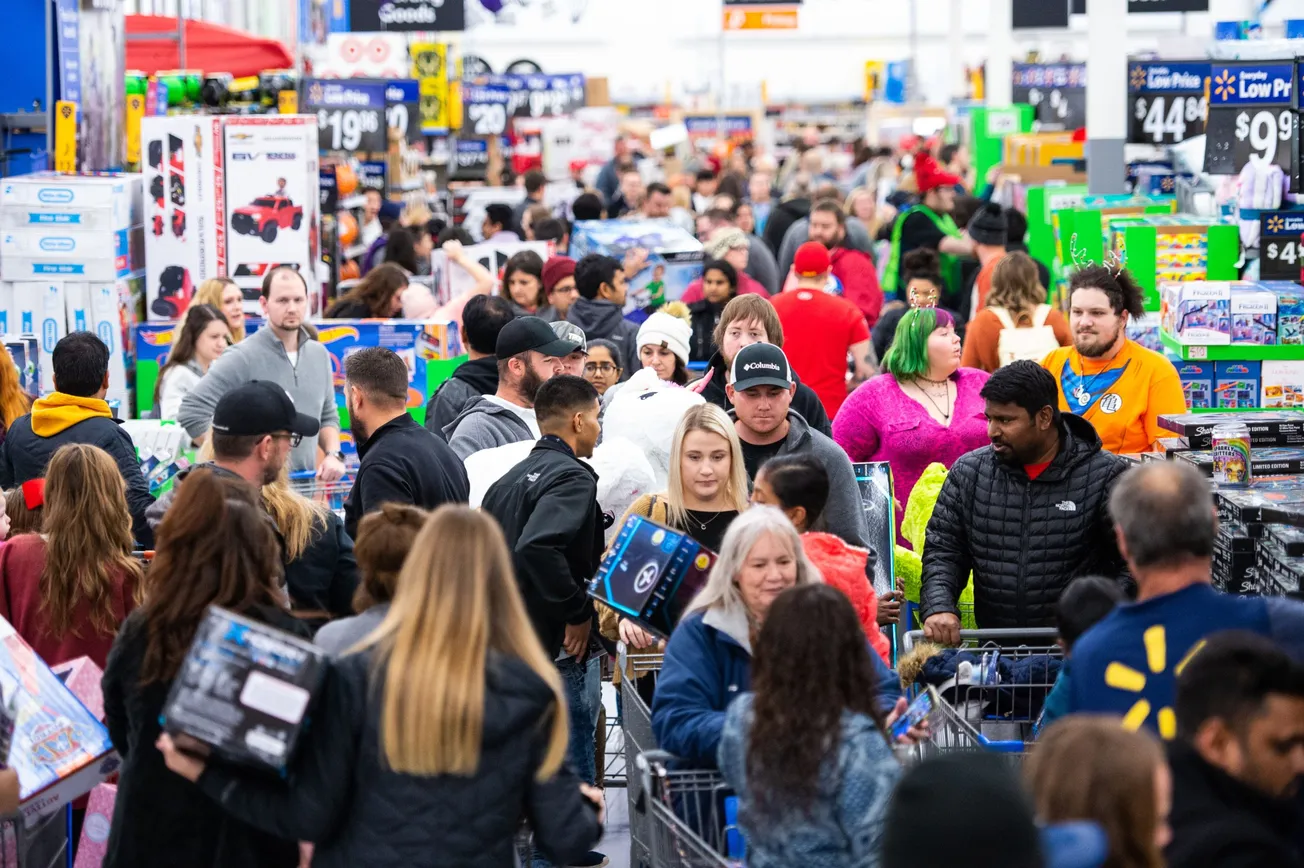
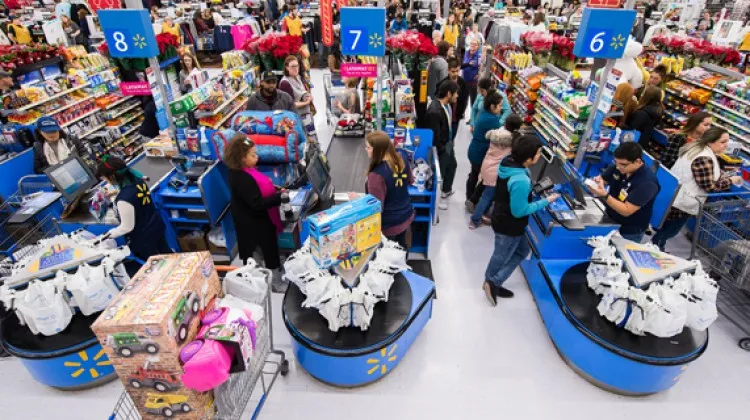
Consumers turned out both in-store and online throughout the five days.
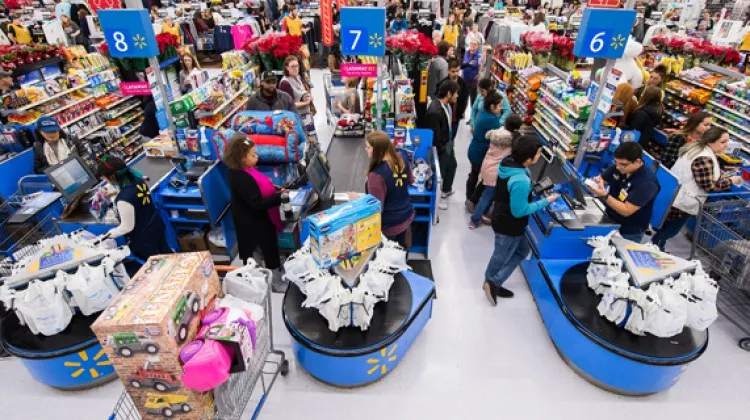
Shoppers across the country turned to the retailer for unbeatable deals on electronics to fashion and lightning-fast delivery in as soon as 10 minutes.
E-commerce grows 10% as shoppers embrace value and convenience.

Adobe noted that Black Friday has become “a major e-commerce moment” as more people choose to shop from home.

Over a quarter of Millennial parents (27%) will spend over $500 per child, yet over half (51%) say long lines in-store cause them to walk away without completing their purchase.

Black Friday is the top shopping day, with 70% of consumers planning to take advantage of deals.
Convenience and cost-cutting outweigh privacy concerns for most online consumers.

Consumers report they expect to spend an average of $890.49 per person on gifts, food, décor, and other seasonal purchases.

Consumers are searching aggressively for value and starting earlier than ever, only to face promo overload and decision fatigue.

Retailers emphasize "stackable” deals, as 75% of consumers say combining coupons, free shipping, and cash back influences their purchases.

Analysts warn that weaker hiring could ripple through the consumer healthcare ecosystem, with less in-store support at a time when patients and shoppers depend on convenient access to essential products and services.